Wildlife holidays in Spain offer the chance to explore one of Europe’s most biodiverse countries. With landscapes ranging from wetlands and forests to deserts and mountains, Spain provides habitats for rare and iconic species. Travelers may spot the Iberian lynx in Andalucía, the brown bear in the Cantabrian Mountains, or the Spanish imperial eagle soaring overhead.
Over 10% of Spain’s land is protected, with national parks such as Doñana, Sierra Nevada, and Ordesa y Monte Perdido safeguarding spectacular scenery and wildlife. These destinations combine nature with culture, allowing visitors to enjoy birdwatching, hiking, and guided tours while experiencing Spain’s rich heritage.
Embarking on a wildlife and walking holiday in Spain offers an unparalleled opportunity to immerse yourself in the country’s rich biodiversity and stunning landscapes. To help you plan your adventure, here are 20 essential questions to plan the perfect wildlife and walking holiday in Spain.
I’ve been living in this lovely area of Western Andalucia for the last 20 years or so and dedicate most of my time to the running of English language tourist information websites for the towns of Cádiz, Ronda, Grazalema, the famous or infamous Caminito del Rey, and also Wildside Holidays, which promotes sustainable and eco-friendly businesses running wildlife and walking holidays in Spain. My articles contain affiliate links that will help you reserve a hotel, bus, train or activity in the area. You don’t pay more, but by using them you do support this website. Thankyou!
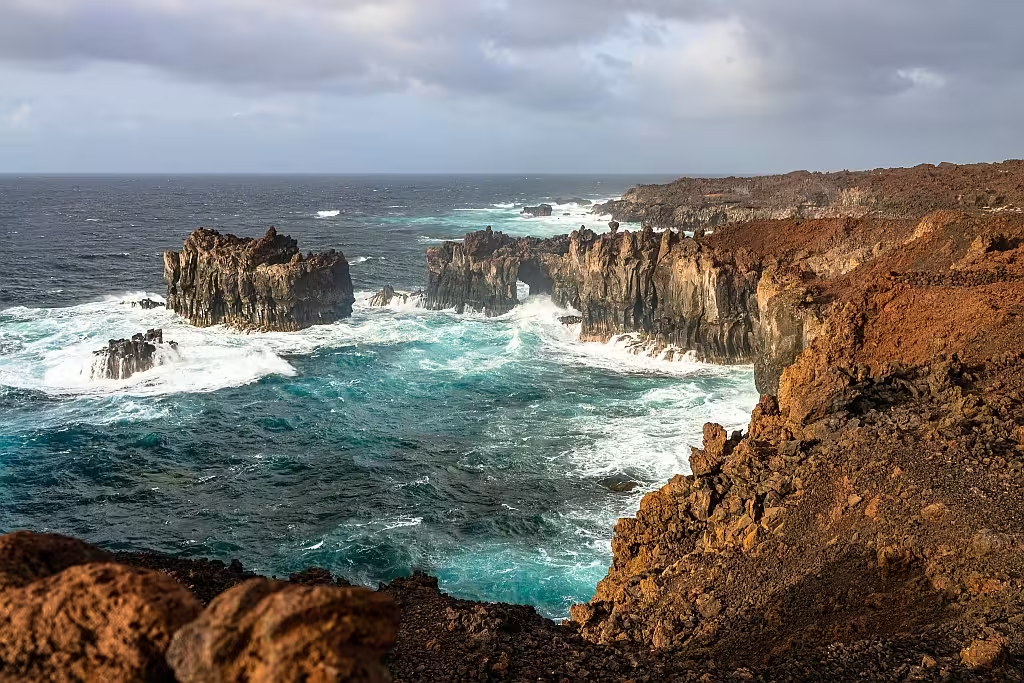
While mass tourism transforms the nearby islands, El Hierro—the most westerly and wildest of the Canary Islands—has quietly embraced a different path. This remote island has carved a reputation for its commitment to sustainable tourism, its rugged landscapes, and its distinct charm.
A Geological and Ecological Wonder
El Hierro, a heart-shaped formation off the west coast of Africa, is the youngest and second smallest of the Canary Islands. It emerged from the Atlantic Ocean around 1.2 million years ago, the result of undersea volcanic eruptions. This violent geological history has created a strikingly varied landscape, from fertile valleys and evergreen forests to sky-high cliffs and lunar-like volcanic cones.
Declared a Biosphere Reserve by UNESCO in 2000 and a Geopark in 2014, El Hierro is home to more than 100 endemic species of flora and fauna, including the critically endangered El Hierro giant lizard. Photo El Hierro tourist board.
I’ve been living in this lovely area of Western Andalucia for the last 20 years or so and dedicate most of my time to the running of English language tourist information websites for the towns of Cádiz, Ronda, Grazalema, the famous or infamous Caminito del Rey, and also Wildside Holidays, which promotes sustainable and eco-friendly businesses running wildlife and walking holidays in Spain. My articles contain affiliate links that will help you reserve a hotel, bus, train or activity in the area. You don’t pay more, but by using them you do support this website. Thankyou!
Spain is a top destination for millions of travelers, particularly from the UK. While cities like Barcelona, Madrid, and coastal resorts draw massive crowds, there are plenty of hidden gems scattered across the country. These lesser-known destinations offer the beauty, culture, and charm of Spain without the high prices or overwhelming tourist numbers. If you’re looking for a unique holiday, full of authentic experiences and peaceful surroundings, these hidden hotspots should be on your radar.
Cadiz: A Coastal City with History and Charm
Nestled in southwestern Spain, Cadiz is often overlooked in favor of more famous destinations. However, this ancient city offers visitors a chance to experience the true essence of Andalusian culture. Accessible via nearby Jerez de la Frontera airport, Cadiz is a breeze to reach. Read more about visiting Cádiz here.
The Genovés Park in Cádiz, an iconic romantic-style Botanical Garden from the 19th century, is not just any ordinary park. It has been declared as an Asset of Cultural Interest by the Junta de Andalucía and is included in the General Catalog of the Historical Heritage of Andalusia. Read more here.
I’ve been living in this lovely area of Western Andalucia for the last 20 years or so and dedicate most of my time to the running of English language tourist information websites for the towns of Cádiz, Ronda, Grazalema, the famous or infamous Caminito del Rey, and also Wildside Holidays, which promotes sustainable and eco-friendly businesses running wildlife and walking holidays in Spain. My articles contain affiliate links that will help you reserve a hotel, bus, train or activity in the area. You don’t pay more, but by using them you do support this website. Thankyou!
Every year, Andalusia’s natural landscapes host a breathtaking spectacle: the deer rutting season, or “berrea.” This natural phenomenon marks the beginning of the mating season for these majestic animals and transforms many of the region’s protected areas into top-tier ecotourism attractions. Visitors have the unique opportunity to witness the life cycle of wild fauna up close, all while raising awareness about the importance of conserving these pristine environments. So read on to see how you can experience the thrill of the deer rutting season in Andalusia
Autumn’s Call: Experience the Thrill of the Deer Rutting Season in Andalusia.
I’ve been living in this lovely area of Western Andalucia for the last 20 years or so and dedicate most of my time to the running of English language tourist information websites for the towns of Cádiz, Ronda, Grazalema, the famous or infamous Caminito del Rey, and also Wildside Holidays, which promotes sustainable and eco-friendly businesses running wildlife and walking holidays in Spain. My articles contain affiliate links that will help you reserve a hotel, bus, train or activity in the area. You don’t pay more, but by using them you do support this website. Thankyou!