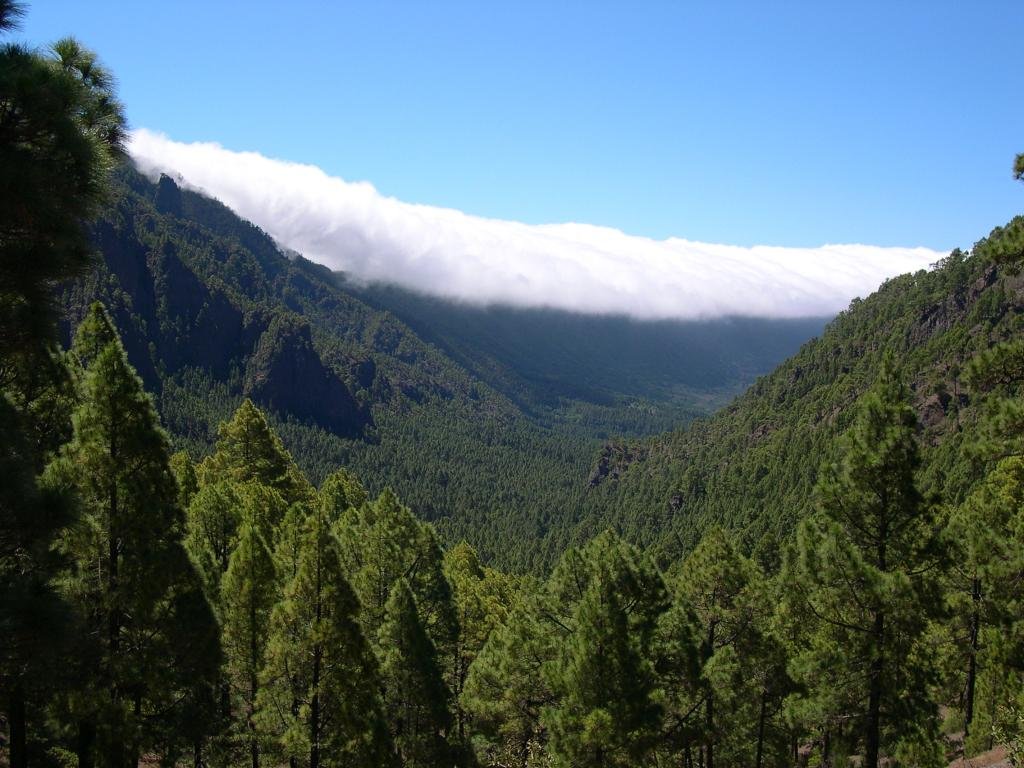
Walking and wildlife holidays in the Canary islands

Canary Islands, testimony to their environmental value.
The Canary Islands are one of Spain’s most remarkable destinations for walking and wildlife, with volcanic landscapes, ancient forests, rugged coastlines and a remarkable number of endemic species.
Four of Spain’s national parks are found across the islands, alongside a much larger network of natural parks and protected areas.
The larger islands are: Tenerife, Fuerteventura, Gran Canaria, Lanzarote, La Palma, La Gomera and El Hierro and the smaller ones: Graciosa, Alegranza, Los Lobos and Montana Clara.
Each island has its own character, from the high volcanic landscapes of Tenerife and the stark lava fields of Lanzarote to the laurel forests of La Gomera and the quieter landscapes of El Hierro.
For walkers, birdwatchers and anyone interested in nature, the Canary Islands offer an extraordinary variety of landscapes within a relatively small part of Spain.
- Capital: Las Palmas de Gran Canaria and Santa Cruz de Tenerife.
- Area: 7,447 km²
Find Your Perfect Stay in the Canary Islands
Explore a wide range of accommodations across the Canary Islands on Booking.com. From luxury resorts and beachfront hotels to budget-friendly apartments and charming rural stays, discover options tailored to every traveler’s needs. With verified guest reviews, flexible booking options, and competitive prices, planning your ideal getaway to this Spanish archipelago has never been easier.
Listen to me, Clive talking about walking and wildlife holidays in the Canary Islands
In this episode of Wildside Holidays, I take a look at the Canary Islands from a different perspective — beyond the beaches and resorts and into the landscapes that make these islands so special.
From volcanic mountains and lava fields to ancient forests, remote coastlines and some of Spain’s most important protected areas, the Canary Islands offer an extraordinary variety of environments to explore.
We look at the islands as destinations for walking, wildlife watching and discovering the natural landscapes that have developed in isolation over millions of years.
Guided hiking in the Canary Islands with G Adventures
For walkers who want to explore the islands with a guide, G Adventures offers small-group hiking trips in the Canary Islands. These itineraries provide an opportunity to get beyond the main tourist centres and experience some of the islands’ volcanic landscapes, mountain trails and rural scenery on foot.
G Adventures’ Hiking the Canary Islands: Tenerife, Anaga, and Beyond tour provides an immersive experience that allows adventurers to explore the island’s natural beauty while enjoying the warmth of local culture.

Other tours in Spain from G Adventures
Over 20 guided tours available across Spain are offered by G Adventures. Wildlife, Walking, Culture and history. Check out the website for prices and availability.
A starlight destination
The Canary Islands are recognised as one of the world’s leading destinations for stargazing, thanks to their clear skies, low light pollution and high-altitude locations. The islands’ volcanic mountains provide exceptional viewpoints for observing the night sky, and several areas are protected for their astronomical value.
For wildlife and walking visitors, stargazing also offers a different way to experience the islands. After a day exploring volcanic landscapes, forests and mountain trails, the night sky reveals another side of the Canary Islands’ extraordinary natural environment.
The Mar de las Calmas
Mar de las Calmas is a sheltered marine area off the coast of El Hierro, known for its exceptionally clear waters and rich marine life. The area has long been recognised for its importance to diving, marine wildlife and conservation.
In 2024, plans were announced for the creation of Spain’s first marine national park in the area. The proposed park would give additional protection to the waters and marine habitats around El Hierro, adding an important marine dimension to the island’s already impressive network of protected landscapes.
Tours from Get Your Guide
Whether you’re looking to explore the rugged terrain of the mountains, soak up the sun on the golden sandy beaches, or immerse yourself in the rich and diverse flora and fauna, the Canary Islands have something for everyone.
Tours in the Canary islands from Viator
The Canary islands have a vast array of sites to visit and enjoy. Below are some of the options listed on the Viator website. (We recieve a small commission if you book a tour which doesn’t cost you more and helps us to keep Wildside Holidays up to date with the best information.)
The Canary Islands, a few details about them
The Canary Islands are much more than a collection of volcanic islands and beaches. Their isolation, varied elevations and different climates have created a remarkable range of habitats, from dry volcanic landscapes and coastal scrub to humid laurel forests and high mountain environments.
This variety is reflected in the islands’ plant and animal life, with a significant number of species found nowhere else in the world.
The Canary Islands form part of Macaronesia, a group of volcanic islands and archipelagos in the North Atlantic that also includes the Azores, Madeira and Cape Verde. These islands share a number of distinctive geological, climatic and biological characteristics.
Their long geographical isolation has played an important role in the development of endemic species, making Macaronesia particularly interesting for anyone interested in island ecology and wildlife.
Mount Teide is the highest point in Spain, rising to 3,718 metres above sea level. Located within Teide National Park on Tenerife, it dominates the island’s landscape and creates a remarkable high-altitude environment quite different from the warmer coastal areas.
The volcanic landscape around Teide is one of the most distinctive environments in the Canary Islands, with lava flows, volcanic formations and plants adapted to the harsh conditions at altitude. The national park is also recognised for its exceptional geological and natural value.
Four of Spain’s fourteen National Parks are located in the Canary Islands which is a testimony to their huge environmental value.
The flora of the islands consists of about two thousand species, five hundred and twenty of which are to be considered endemic, and as many as five hundred and ninety three that are rare or becoming extinct.
The Haria Lizard is the smallest of the Gallotias which is a genus of 5 different lizards endemic to the Canary Islands. There are also 3 endemic species of skinks and 1 gecko.
There are some bird species which are confined to the Macaronesia Island group, others to individual Islands and occasional avian waifs from the Americas all of which are a draw for ornithologists. White-Faced Storm Petrel, Cory’s Shearwater, Madeiran Storm-Petrel, Berthelot’s Pipit, Fuerteventura Stonechat and Blue Chaffinch are just a few that can be seen on and around the Islands.
Map showing the Locations of the Protected Areas and National Parks in the Canary Islands

1 Las Nieves, 2 National Park of caldera de taburiente, 3 Cumbre viejas, 4 Majona, 5 National park of Garajonay, 6 National Park of Teide, 7 La corona forestal, 8 Tamadaba, 9 Pilancones, 10 Archipilago chinijo, 11, National Park of Timanfaya, 12 Los volcanes, 13 Islote de lobos, 14 Corralejo, 15 Jandia, 16 Betancuria, 17 Pozo negro
Listen to the Mike and Sarah podcast about the Canary Islands
In this episode, we dive into the wild beauty of the Canary Islands, one of Spain’s top destinations for walking and wildlife holidays. From volcanic landscapes to lush laurel forests, the islands offer an incredible range of ecosystems and protected natural parks that make them a must-visit for nature lovers and eco-travelers.
Natural and National parks in the Canary Islands
The Canary Islands have an exceptional concentration of protected landscapes. Four of Spain’s national parks are located in the archipelago: Teide National Park on Tenerife, Timanfaya National Park on Lanzarote, Garajonay National Park on La Gomera and Caldera de Taburiente National Park on La Palma.
These national parks protect very different environments, from the volcanic landscapes of Teide and Timanfaya to the ancient laurel forests of Garajonay and the dramatic volcanic caldera of La Palma. Alongside them, the islands contain numerous natural parks, rural parks and other protected areas, making conservation an important part of the Canary Islands’ identity.
Lanzarote
Lanzarote is one of the most visually distinctive of the Canary Islands, with vast areas of volcanic terrain shaped by relatively recent eruptions. The island’s dry climate and sparse vegetation create a very different environment from the humid forests found elsewhere in the archipelago, but the lava fields, volcanic slopes and coastal habitats support their own specialised wildlife.
The Chinijo Archipelago Natural Park located north of Lanzarote, is a group of small islands that have environmental protection. It is the largest marine reserve in the European Union. Among the group of islands that make it up is the Island of La Graciosa , a small island of virgin beaches, unpaved streets and where the natural beauty of its beaches and the sea delight visitors who come to it to enjoy the tranquility that characterizes it.
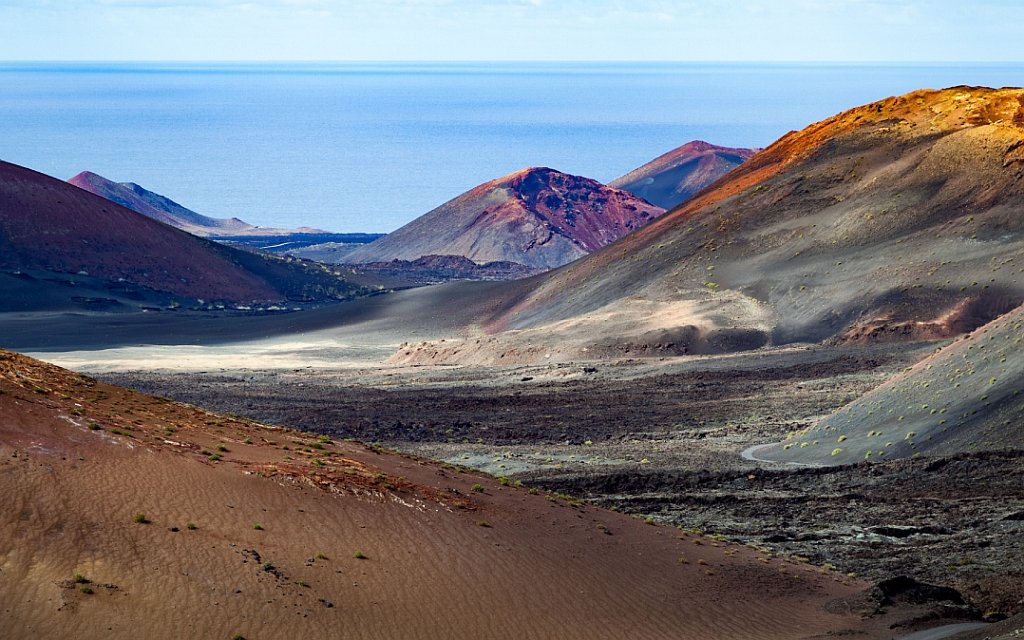
Close to Timanfaya are the Charcos de los Clicos, the Natural Park of Los Volcanes and La Geria in Yaiza, the Green Caves in Haría, Jameos del Agua in Órzola and the Natural Park of the Volcanoes in Tinajo.
Find a hotel in Lanzarote
Fuertaventura
Fuerteventura has a much drier character than the western Canary Islands, with broad open landscapes, volcanic hills, sandy plains and an extensive coastline. Its relatively sparse vegetation can make the island look barren at first, but these open habitats are important for several bird species and other wildlife adapted to dry conditions.
The island is particularly interesting for visitors who enjoy combining walking with birdwatching, coastal exploration and the study of volcanic landscapes.
If you visit Fuerteventura, take a tour of the Corralejo Natural Park. To the north of the island is the largest area of dunes in the Canary Islands that ends in wide beaches of very white sand and are surrounded by the turquoise blue ocean.
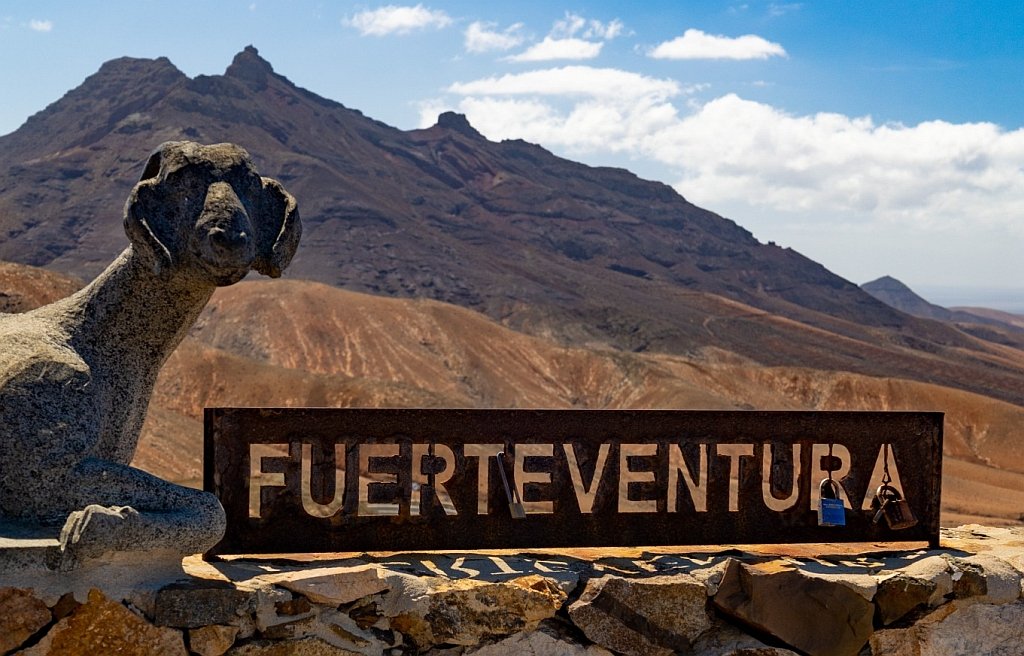
The Jandía Natural Park located in the south of the island offers a desert landscape between mountains and beaches.
Find a hotel in Fuerteventura
Tenerife
Tenerife is dominated by Mount Teide and its surrounding volcanic landscape, but the island has much more to offer than its famous summit. The dramatic change in altitude creates a remarkable range of habitats, from dry coastal areas to pine forests and the high volcanic environment of Teide National Park.
For walkers and wildlife enthusiasts, this variety means Tenerife can offer very different experiences within a relatively short distance, with mountain trails, volcanic scenery and opportunities to explore the island’s distinctive flora and birdlife.

Find a hotel in Tenerife
Activities in the Canary Islands with get Your Guide
Gran Canaria
Gran Canaria is sometimes described as a miniature continent because of the variety of landscapes found across the island. The interior rises into rugged mountains and deep valleys, while the north is greener and the south is generally drier. This range of habitats makes the island particularly interesting for walkers and wildlife enthusiasts.
Away from the major resorts, there are mountain trails, pine forests, ravines and protected landscapes to explore, with opportunities to experience a very different side of Gran Canaria.
In Gran Canaria , you can visit several natural parks such as Tamadaba Natural Park, Maspalomas Dunes Natural Reserve, Pilancones Natural Park, Barranco Oscuro Integral Natural Reserve and Inagua Integral Natural Reserve.
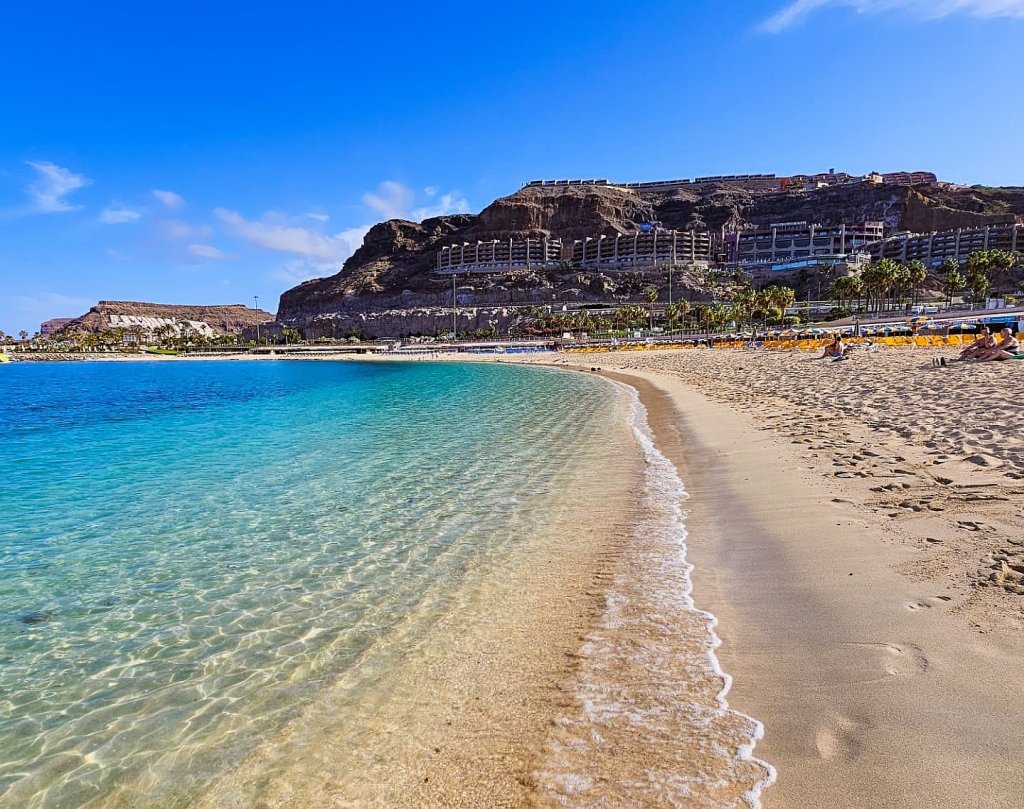
Each of these natural areas in Gran Canaria offers a distinct ecological and scenic experience. Tamadaba Natural Park is known for its ancient pine forests and dramatic cliffs overlooking the Atlantic Ocean. Maspalomas Dunes Natural Reserve presents a stark contrast, featuring a striking desert-like landscape of sand dunes, lagoons, and palm groves that support unique bird species and migrating wildlife. Pilancones Natural Park covers rugged mountainous terrain with deep ravines and endemic plant life, ideal for hiking and observing native flora. Barranco Oscuro and Inagua Integral Natural Reserves are more restricted and strictly protected due to their fragile ecosystems, which include rare plants and critical habitats for endangered species such as the Gran Canaria blue chaffinch. Together, these parks highlight the island’s exceptional biodiversity and environmental importance.
Find a hotel in Gran Canaria
La Gomera
La Gomera is one of the most rewarding Canary Islands for walkers who enjoy forests and mountainous landscapes. Deep ravines cut through the island, while the higher slopes are often covered by vegetation that feels very different from the dry volcanic landscapes of the eastern islands.
The island’s great natural treasure is Garajonay National Park, where ancient laurel forest survives in the humid highlands. The combination of steep terrain, forest and isolated valleys also makes La Gomera particularly interesting for wildlife and endemic species.
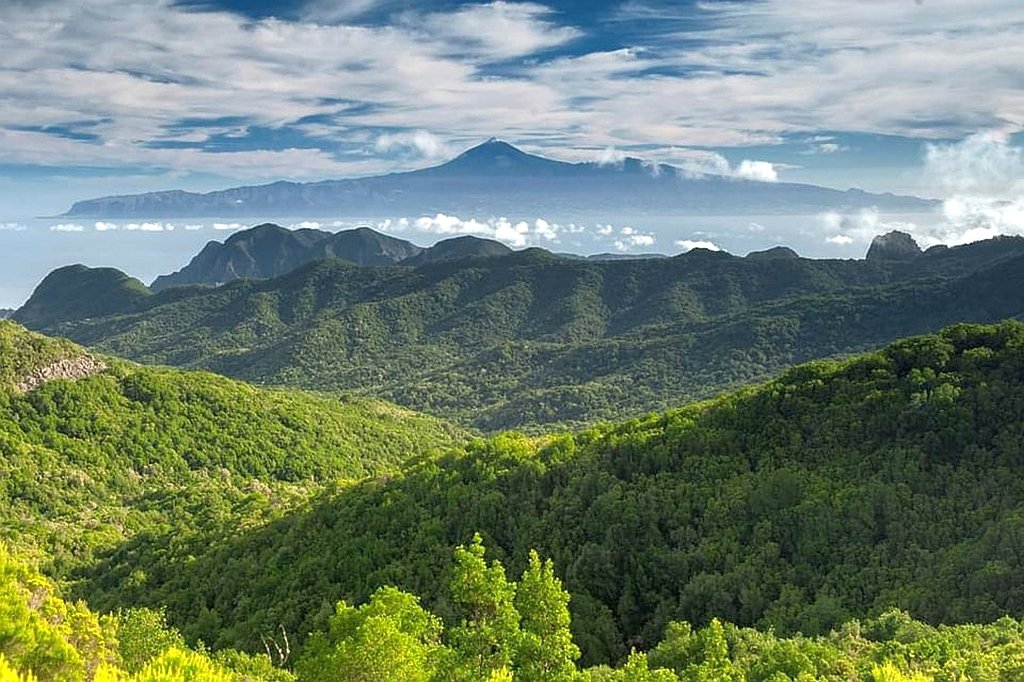
In addition to the park, La Gomera features the Natural Monument of Los Órganos, a stunning cliffside rock formation that resembles a giant pipe organ when viewed from the sea—best experienced by boat. The island is also home to the Benchijigua Natural Reserve, a rugged landscape with volcanic rock formations, endemic flora, and deep ravines that highlight La Gomera’s dramatic terrain. These areas offer not only breathtaking views but also excellent opportunities for eco-tourism and nature photography.
Find a hotel in La Gomera
El Hierro
El Hierro is the smallest and westernmost of the Canary Islands, and it has a quieter, more rugged character than the larger tourist islands. Its volcanic terrain, steep coastlines and relatively low level of development make it particularly appealing for visitors looking for walking and nature away from the busier resorts.
The island’s protected landscapes extend from the volcanic interior to the surrounding marine environment, with opportunities to explore geology, native vegetation, birdlife and the remarkable underwater habitats around its coast.
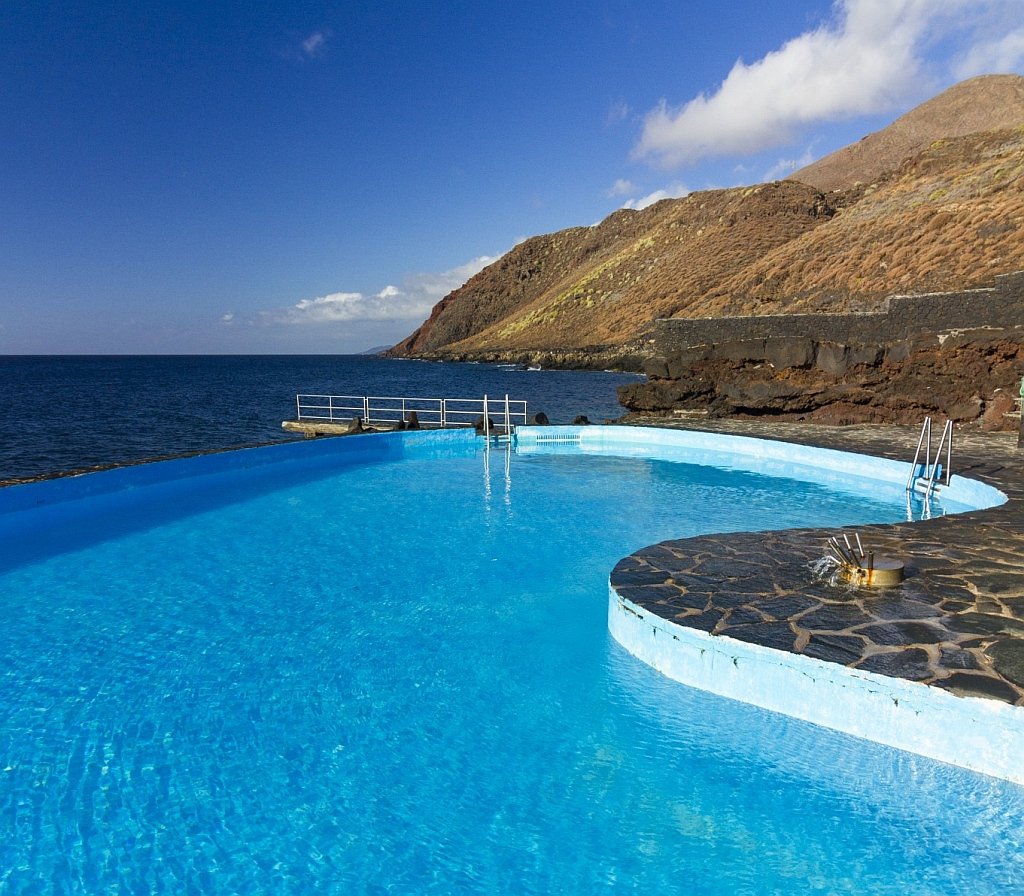
One of the island’s highlights is the Frontera Rural Park, which encompasses a variety of microclimates and ecosystems. Visitors can also explore the El Sabinar Natural Monument, known for its twisted juniper trees shaped by the wind, and La Restinga Marine Reserve, a world-class diving spot teeming with marine life.
Find a Hotel on the Island of El Hierro
Further reading
All of the natural and national parks in the Canary Islands offer activities to visit and explore them, with a guide or self guided. The only way to get the best out of a visit is to start off at the many information and interpretation centres on the islands.
For the National Parks on ther Canary islands a good starting point for further research before your visit is here. https://www.gobiernodecanarias.org/parquesnacionalesdecanarias/en/
The Balearic Islands
Maybe you are looking for information about other Spanish islands? Information about the Balearics here: https://wildsideholidays.co.uk/natural-parks-in-the-balearic-islands/
Canary Islands: Nature, Wildlife, and Sustainable Travel – FAQ
The Canary Islands are a Spanish archipelago consisting of seven larger and four smaller volcanic islands. Situated in the Atlantic Ocean off the northwest coast of Africa, they lie approximately 108 km from mainland Morocco. Though geographically closer to Africa, the islands are an autonomous community of Spain and part of the European Union. Their volcanic origins, sub-tropical climate, and ecological diversity make the Canaries a unique travel destination for nature and wildlife enthusiasts.
The Canary Islands are one of Europe’s top destinations for biodiversity. Their varied ecosystems—ranging from volcanic craters to ancient laurel forests—support over 2,000 plant species, more than 500 of which are endemic. Rare and endangered fauna include species like the Gran Canaria blue chaffinch, Haria lizard, and Canary Islands skink. The islands are also key habitats for migratory birds and marine life such as whales, dolphins, and loggerhead turtles. As part of Macaronesia, the Canary Islands share biogeographic features with Madeira, Cape Verde, and the Azores, offering a unique blend of African, Mediterranean, and Atlantic flora and fauna.
The Canary Islands are ideal for nature-based, walking, and wildlife holidays. Popular activities include guided hiking in national parks, exploring volcanic landscapes, birdwatching, and enjoying marine adventures like dolphin watching and scuba diving. Tenerife and La Palma are especially known for their scenic hiking trails, while El Hierro and La Gomera offer quieter, eco-focused experiences. The islands are also renowned stargazing destinations, with certified Starlight Reserves offering astronomy tours, festivals, and astrophotography experiences under crystal-clear night skies.
Four of Spain’s sixteen national parks are located in the Canary Islands—each with UNESCO World Heritage or Biosphere Reserve status:
Teide National Park (Tenerife): Home to Mount Teide, Spain’s highest peak and the world’s third-largest volcano.
Timanfaya National Park (Lanzarote): A surreal volcanic landscape formed by 18th-century eruptions.
Garajonay National Park (La Gomera): A laurel forest shrouded in mist, offering a glimpse into the Tertiary era.
Caldera de Taburiente National Park (La Palma): A massive volcanic crater with pine forests, waterfalls, and ravines.
Additional protected areas include the Chinijo Archipelago Marine Reserve, Corralejo Dunes (Fuerteventura), Maspalomas Dunes (Gran Canaria), and Frontera Rural Park (El Hierro). Over 60% of El Hierro is protected territory.
The Mar de las Calmas, located off the coast of La Restinga in El Hierro, is one of the Canary Islands’ richest marine biodiversity zones. In 2024, it was announced as Spain’s first fully marine national park—a milestone in marine conservation. The area is famous for El Bajón, an underwater volcanic mountain that supports vibrant reef systems, dolphins, rays, and migratory whales. The marine park highlights Spain’s growing commitment to ocean preservation.
La Palma and La Gomera are top choices for hiking and nature-based holidays. La Palma’s steep ridges and volcanic terrain make it ideal for experienced hikers, while Garajonay National Park in La Gomera offers lush, accessible trails through ancient forests. For birdwatchers and solitude seekers, El Hierro and Fuerteventura provide less-traveled paths and rare wildlife encounters.
Sustainability is a growing focus in the Canary Islands. Protected areas, eco-lodges, and interpretive visitor centres support responsible travel. El Hierro, in particular, leads the way with ambitious renewable energy goals, aiming to be 100% powered by wind and hydroelectricity. Nature-based tourism companies, including those promoted by Wildside Holidays, offer guided tours that educate visitors while protecting fragile habitats.
Mount Teide is not only the highest point in Spain at 3,718 meters but also the world’s third-largest volcanic structure by volume. Its dramatic crater, lava flows, and pumice fields attract geologists and trekkers alike. The surrounding Teide National Park is a UNESCO World Heritage Site and one of the most visited parks in Europe.
Thanks to their subtropical climate, the Canary Islands are a year-round destination. However, the best time for walking and wildlife holidays is from October to May, when temperatures are mild and trails are quieter. Bird migration seasons and stargazing events also align with these months, offering added experiences for nature lovers.
Absolutely. The Canary Islands are a birdwatcher’s paradise, hosting several endemic species like Bolle’s pigeon and the Tenerife blue chaffinch. Coastal wetlands, cliffs, and forests serve as key stopovers for migratory birds. Locations such as La Gomera, Fuerteventura, and La Palma are excellent for spotting raptors, seabirds, and rare passerines.
About the author of this article.

I’ve been living in this lovely area of Western Andalucia for the last 20 years or so and dedicate most of my time to the running of English language tourist information websites for the towns of Cádiz, Ronda, Grazalema, the famous or infamous Caminito del Rey.
Also, Wildside Holidays, which promotes sustainable and eco-friendly businesses running wildlife and walking holidays in Spain.