
Walking and wildlife holidays in Madrid
- Capital: Madrid.
- Area: 8,030 km²

Walking and wildlife in Madrid
Madrid is best known for its lively capital city, but the surrounding region offers far more than museums, galleries and grand avenues. Beyond the urban area, the Community of Madrid contains mountain landscapes, open plains, river valleys, wetlands and extensive areas of Mediterranean woodland.
These contrasting habitats support a wide range of wildlife and provide opportunities for walking, birdwatching, nature photography and wildlife holidays within easy reach of the capital.
The Sierra de Guadarrama forms the mountainous backbone of the region, while the lower landscapes include grasslands, agricultural plains, rivers and seasonal lagoons.
This variety makes Madrid an interesting destination for visitors who want to combine time in the city with walks and wildlife experiences in the surrounding countryside.
Wildlife in Madrid
The region supports an impressive selection of birds, mammals and other wildlife. Birdwatchers may encounter species such as the black vulture, Spanish imperial eagle, red kite, great bustard, little bustard, white-headed duck, rock sparrow and Spanish sparrow.
The open plains and agricultural landscapes are particularly important for steppe birds, while wetlands and lagoons provide feeding and breeding areas for waterbirds. In the mountains, woodland, rocky slopes and high-altitude habitats support a different range of species.
Mammals found in the region include red deer, fallow deer, roe deer, foxes, wild cats, Iberian ibex and wild boar. The more remote mountains and wooded areas of north-western Madrid offer some of the best opportunities for encountering wildlife away from the busy city.
Find a hotel in the Guadarrama mountains here.
Sierra de Guadarrama
The Sierra de Guadarrama is the main mountain range in the Community of Madrid and forms part of the Sistema Central. Stretching along the north-western edge of the region, it creates a natural boundary with Castilla y León and offers some of the best walking and wildlife opportunities close to the capital.
The landscape changes noticeably with altitude. Lower slopes are covered by oak woodland, scrub and open grassland, while higher areas contain Scots pine forests, rocky ridges, mountain meadows and seasonal streams. These different habitats support a variety of birds and mammals and provide walking routes ranging from gentle woodland paths to more demanding mountain excursions.
The range also connects with the wider landscapes of the Sistema Central, including the Sierra de Gredos and the mountains of Castilla y León. Visitors staying in Madrid can therefore reach a very different environment within a relatively short journey from the city.
Peñalara and the mountain climate
One of the best-known areas of the Sierra de Guadarrama is Peñalara, whose summit reaches approximately 2,430 metres. The high mountain environment includes exposed ridges, glacial landforms, alpine meadows and small mountain lakes.
The climate varies considerably between the city, the surrounding plains and the higher mountains. Madrid can experience very hot summers, with temperatures sometimes exceeding 40°C, while winter conditions in the mountains can be cold, with snow and freezing temperatures at higher elevations. Walkers should choose routes carefully according to the season, weather forecast and their own experience.
Plants and vegetation
Madrid’s vegetation reflects the region’s wide range of altitudes, soils and climates. Holm oak woodland is common in lower and warmer areas, while juniper, ash and willow grow in suitable woodland, river and valley habitats. Scots pine is particularly characteristic of parts of the higher mountains.
Other plants found across the region include lavender, rockroses, thyme and broom. In the mountain areas, the vegetation becomes lower and more adapted to exposure, cold temperatures and a shorter growing season. This variety of plant communities adds to the interest of walking and wildlife trips throughout the Community of Madrid.
Tours from Madrid with Viator
If you are staying in Madrid have a look at these organized day trips available to natural parks and other protected areas.
Tours from Madrid with Get Your Guide
For visitors who would like to explore beyond the city without arranging every detail themselves, organised excursions can be a useful option. Day trips from Madrid may include mountain landscapes, historic towns, natural parks and other places of interest in the surrounding region.
The following Viator experiences may be useful for visitors looking to combine time in Madrid with sightseeing and outdoor activities. As with any organised excursion, check the itinerary, transport arrangements and meeting point before booking.
Natural Parks in Madrid
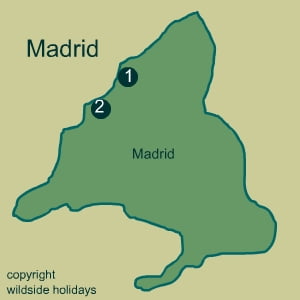
The Community of Madrid contains a varied network of protected landscapes, including mountain areas, river valleys, wetlands, woodland and open countryside.
These places help protect important habitats while providing opportunities for walking, birdwatching and enjoying the region’s natural scenery.
Some protected areas are close to the capital and can be visited as day trips, while others are better suited to visitors who want to spend longer exploring the mountains and rural landscapes.
The main areas of interest include the Sierra de Guadarrama, the river corridors of the Manzanares and Jarama, and several smaller wetlands and nature reserves.
1. Guadarrama National Park protects a large area of the Sierra de Guadarrama, covering high mountain landscapes, pine forests, oak woodland, alpine meadows, rocky ridges and glacial features. It was created in 2013 to protect the region’s important habitats and landscapes.
The park contains a wide range of environments, from wooded lower slopes to exposed mountain summits. This variation supports many species of birds and mammals, including deer, wild boar, foxes and a variety of birds of prey. The higher areas are also important for mountain plants and wildlife adapted to colder and more exposed conditions.
Walking routes range from relatively gentle forest paths to demanding mountain trails. Conditions can change quickly at higher elevations, particularly in winter and during periods of hot summer weather, so visitors should choose routes carefully and check local conditions before setting out.
Some great options for hotels and country houses in the Sierra de Guadarrama here.
2. Peñalara, Cumbre Circo y Lagunas Natural Park protects one of the most distinctive high-altitude landscapes in the Sierra de Guadarrama. The area is known for its mountain summit, glacial cirques, rocky slopes, alpine meadows and small lakes formed by past glacial activity.
The landscape changes considerably with the seasons. In spring and summer, the meadows and mountain plants provide colour across the higher slopes, while autumn brings changing woodland colours and winter can cover the area with snow and ice.
The park is particularly attractive to walkers, photographers and visitors interested in mountain geology and vegetation. Some routes are relatively accessible, but the weather can change quickly at altitude and conditions may be difficult during winter. Visitors should follow marked paths and check any access restrictions before setting out.
The former Peñalara protected area is now incorporated within the wider Guadarrama National Park, although the name remains closely associated with this important mountain landscape.
John Muddeman Wildlife Tours
For visitors who would like to explore Madrid’s wildlife with an experienced local guide, John Muddeman offers tailor-made wildlife tours in Spain.
Tailor-made Wildlife Tours in Spain
Tours can be arranged around particular interests, including birds, botany, mammals, butterflies and dragonflies. This makes the service suitable for visitors who want to focus on a specific group of species or explore Spain’s natural landscapes with specialist guidance.
A tailor-made itinerary can be especially useful for photographers, keen birdwatchers and anyone hoping to discover less familiar wildlife habitats beyond the main tourist routes.
Regional Parks in Madrid
The South East Regional Park (Parque regional del Sureste) protects a varied landscape of rivers, farmland, woodland, wetlands and former gravel extraction sites to the south-east of Madrid. The Jarama River is one of the main features of the park, creating a network of habitats that are important for birds and other wildlife.
Several wetlands and lagoons are especially valuable for birdwatching, including Mar de Ontígola, Laguna de San Juan, Soto de las Juntas and El Campillo. These sites attract waterbirds and provide opportunities to explore a quieter side of the Madrid region.
The park’s mixture of open countryside, river corridors and wetland habitats makes it an interesting destination for walking, nature photography and wildlife observation away from the capital.
The Cuenca Alta del Manzanares Regional Park protects the upper valley of the Manzanares River and a large area of the north-western Madrid landscape. Its scenery includes granite formations, mountain slopes, woodland, open grassland and river habitats.
The park is closely connected with the Sierra de Guadarrama and the wider protected mountain landscape. Some of its higher and more mountainous areas are now included within Guadarrama National Park, while the regional park continues to protect important habitats around the Manzanares valley.
The area is well suited to walking and wildlife watching, with opportunities to explore woodland paths, open hillsides and distinctive granite landscapes such as those found around La Pedriza.
The Regional Park of the Guadarrama River follows the river corridor through western Madrid, protecting sections of the river, its banks and the surrounding countryside. The landscape includes woodland, scrub, farmland, grassland and areas influenced by the pressure of nearby urban development.
The river corridor provides valuable habitat for birds, mammals and other wildlife, while also forming a green route through an increasingly populated part of the region. Walking here offers a different experience from the high mountains of the Sierra de Guadarrama, with gentler terrain and a mixture of natural and agricultural landscapes.
The park is particularly useful for visitors interested in river habitats, birdwatching and exploring the less mountainous side of the Community of Madrid.
Other protected areas in Madrid
The hayedo Montejo beech forest lies in the Sierra de Ayllón in the north-eastern part of the Community of Madrid. It is recognised for its mature beech woodland, which creates a particularly atmospheric landscape in autumn when the leaves turn golden, orange and brown.
The forest forms part of a wider protected landscape associated with the Sierra del Rincón Biosphere Reserve and the Alto Lozoya area. Its combination of woodland, streams and mountain scenery provides habitat for a variety of birds, mammals, insects and woodland plants.
Access to the forest may be controlled, so visitors should check the current arrangements before planning a walk.
The Fauna Refuge of San Juan Lagoon protects a wetland area in the lower Tajuña valley, near Chinchón. The lagoon and surrounding habitats are important for birds and provide a quieter natural setting within the wider agricultural landscape of south-eastern Madrid.
The site is of particular interest to birdwatchers, especially during periods when waterbirds and other wetland species are present. Its location close to the Tajuña River adds to the ecological importance of the area.
The Natural Reserve of El Regajal-Mar de Ontígola is a protected area near Aranjuez, combining dry Mediterranean-style habitats, open countryside and wetland environments. The area is known for its importance to butterflies and other insects, as well as for the variety of plants found on its slopes and around the lagoon.
The surrounding landscape includes vineyards and agricultural land, with El Regajal also associated with the wine-producing tradition of the Vinos de Madrid designation. It offers an interesting contrast with the mountain landscapes further north in the region.
Wildlife and Nature in Madrid Province: FAQs for Nature-Based Travel
Madrid’s varied landscapes support a wide range of wildlife. Depending on the habitat and season, visitors may see birds of prey such as black vultures, red kites and Spanish imperial eagles, along with steppe birds, waterbirds and woodland species.
Mammals found in the region include deer, foxes, wild boar, Iberian ibex and, in suitable habitats, wild cats. Wildlife sightings are never guaranteed, so patience and careful observation are important.
The Community of Madrid contains much more than the capital city. The Sierra de Guadarrama and the wider Sistema Central provide high mountain scenery, rocky ridges, pine forests and alpine habitats.
Further south and east, the landscape becomes more open, with plateau, farmland, river valleys and wetlands. The Manzanares, Jarama and Tajo river systems are important features of the region.
Important protected areas include Guadarrama National Park, the former Peñalara protected area, the South East Regional Park, Cuenca Alta del Manzanares Regional Park and the Regional Park of the Guadarrama River.
Other places of interest include Montejo Beech Forest, San Juan Lagoon Fauna Refuge and El Regajal–Mar de Ontígola. Each offers different habitats and experiences, from mountain walking to woodland exploration and birdwatching.
The region’s plant life changes with altitude and habitat. Holm oak, juniper, ash, willow and Scots pine are among the trees found in different parts of Madrid.
Lavender, rockroses, thyme and broom are also characteristic of many warmer and drier landscapes. In the higher mountains, plants must tolerate colder temperatures, strong winds and a shorter growing season.
Madrid offers excellent opportunities for wildlife tourism, especially for birdwatching and hiking. Walking and wildlife holidays are promoted by Wildside Holidays, who spotlight Madrid’s lesser-known natural wonders. Expert-led trips—like those offered by wildlife guide John Muddeman—can be tailored to focus on birds, mammals, butterflies, dragonflies, or botany. Options include private tours, cultural walks, and even hot air balloon rides. Platforms like Viator also list eco-friendly experiences that explore natural parks, mountain trails, and regional reserves.
La Pedriza is a dramatic granite landscape in the Sierra de Guadarrama, known for its large rock formations, narrow passages, climbing routes and walking trails.
It is one of the most distinctive natural areas near Madrid and is of interest to walkers, climbers, photographers and visitors interested in geology, plants and wildlife.
About the author of this article.
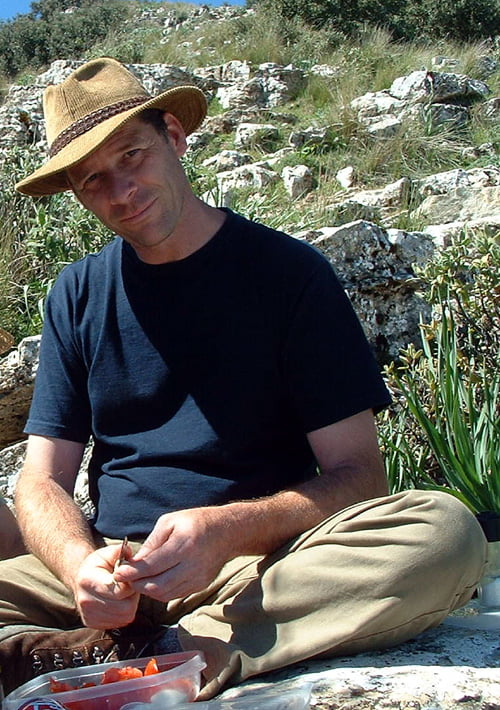
Clive Muir – Wildside Holidays – Walking, wildlife and culture holidays in Spain
I’ve been living in western Andalucía for more than 20 years and spend much of my time researching and running English-language travel websites about Spain. My work covers destinations including Cádiz, Ronda, Grazalema and the Caminito del Rey, as well as Wildside Holidays, which focuses on walking, wildlife and nature travel in Spain.
Through Wildside Holidays, I share practical information about Spain’s natural parks, mountains, wildlife and walking destinations, drawing on many years of living and travelling in the country. The aim is to help visitors discover Spain’s natural landscapes responsibly and plan rewarding walking and wildlife experiences.