Spain’s diverse regions offer some of Europe’s best wildlife and walking experiences. From the wetlands of Andalucía to the forests of Galicia and the volcanic landscapes of the Canary Islands, each region has its own natural character.
Use this guide to explore Spain by region and find guided tours from trusted partners. Discover national parks, reserves, and the wildlife of Spain.
Andalucía – Wildlife, Mountains and Wetlands
Andalucía combines some of Spain’s greatest contrasts, from the wetlands of Doñana and the forests of Grazalema to the high mountains of Sierra Nevada. With a long Mediterranean coastline and a huge variety of habitats, it offers exceptional opportunities for walking, birdwatching and wildlife throughout the year.

Aragón – Pyrenean Landscapes and Birding Hotspots
From the high Pyrenees to the dry landscapes of the Ebro Valley, Aragón offers remarkable variety for walkers and wildlife enthusiasts. Its mountains provide habitat for vultures, eagles and other alpine species, while valleys, forests and protected landscapes offer quieter routes away from the better-known Spanish tourist destinations.
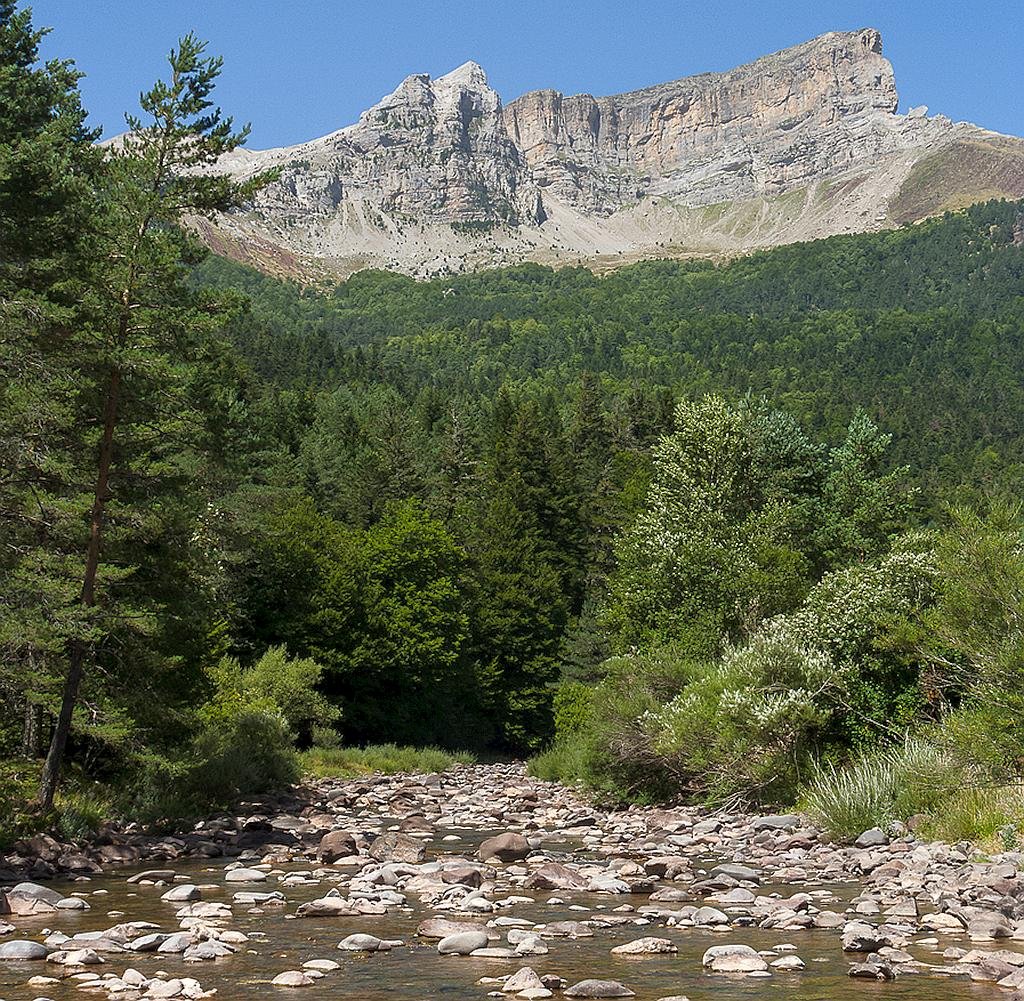
Asturias – Green Spain’s Wildlife and Mountains
Asturias is one of Spain’s great wildlife destinations, with green mountains, deep valleys and a rugged Atlantic coastline. The region is particularly famous for its brown bears, but its forests, rivers and high pastures support a much wider range of wildlife and provide superb opportunities for walking and nature watching.
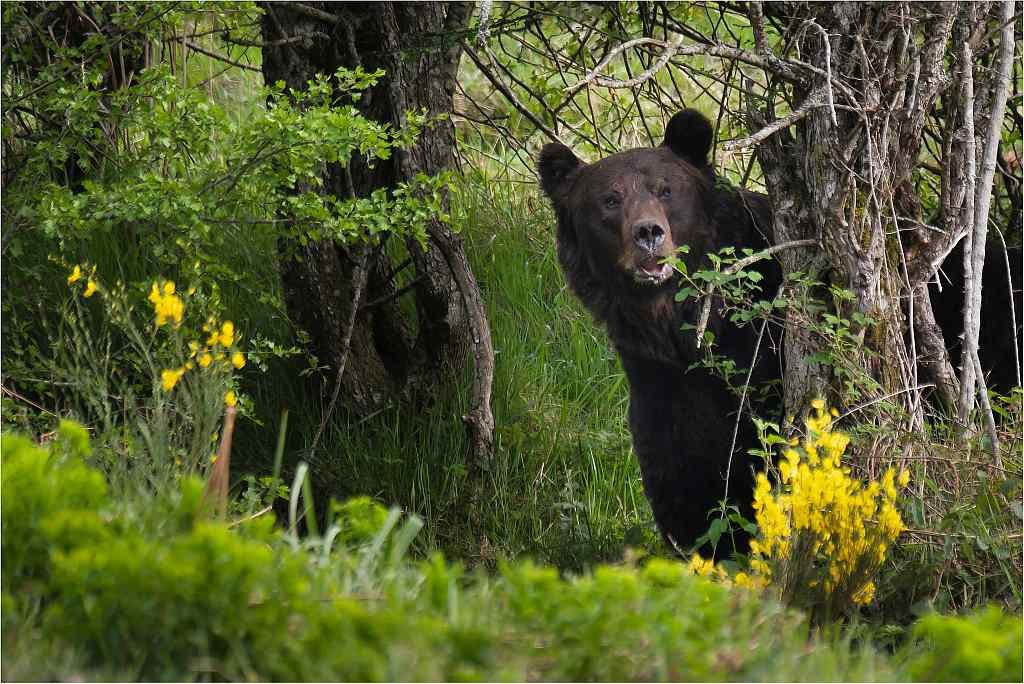
Balearic Islands – Island Ecology and Coastal Trails
The Balearic Islands offer much more than beaches, with protected wetlands, pine forests, limestone mountains and dramatic coastal landscapes. Mallorca, Menorca, Ibiza and Formentera each have their own character, while a network of natural parks and reserves provides plenty of opportunities for walking and discovering Mediterranean wildlife.

Canary Islands – Volcanic Parks and Endemic Wildlife
The Canary Islands are a world apart from mainland Spain, shaped by volcanoes, altitude and an extraordinary number of endemic species. From Tenerife’s high mountain landscapes to the laurel forests and coastal reserves of the smaller islands, they offer year-round walking and wildlife opportunities in a remarkably varied setting.

Cantabria – Coastline Cliffs and Mountain Trails
Cantabria combines the Atlantic coast with the mountains of northern Spain, creating a landscape of cliffs, forests, river valleys and limestone caves. It is an excellent region for walking and wildlife, with opportunities to explore quiet trails and discover habitats ranging from coastal landscapes to the high mountains.
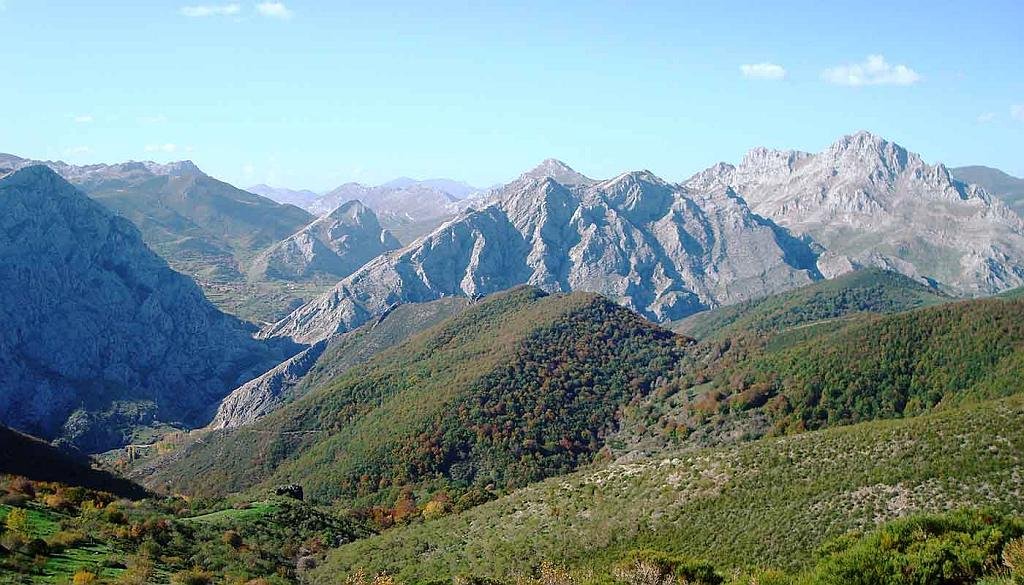
Castilla-La Mancha – Plains, Wetlands and Birding
Castilla-La Mancha’s huge open landscapes include wetlands, steppe, river valleys and dry plains that are particularly important for birds. Away from the better-known historic cities, its protected areas offer some of central Spain’s best opportunities for birdwatching, walking and experiencing quieter rural landscapes.
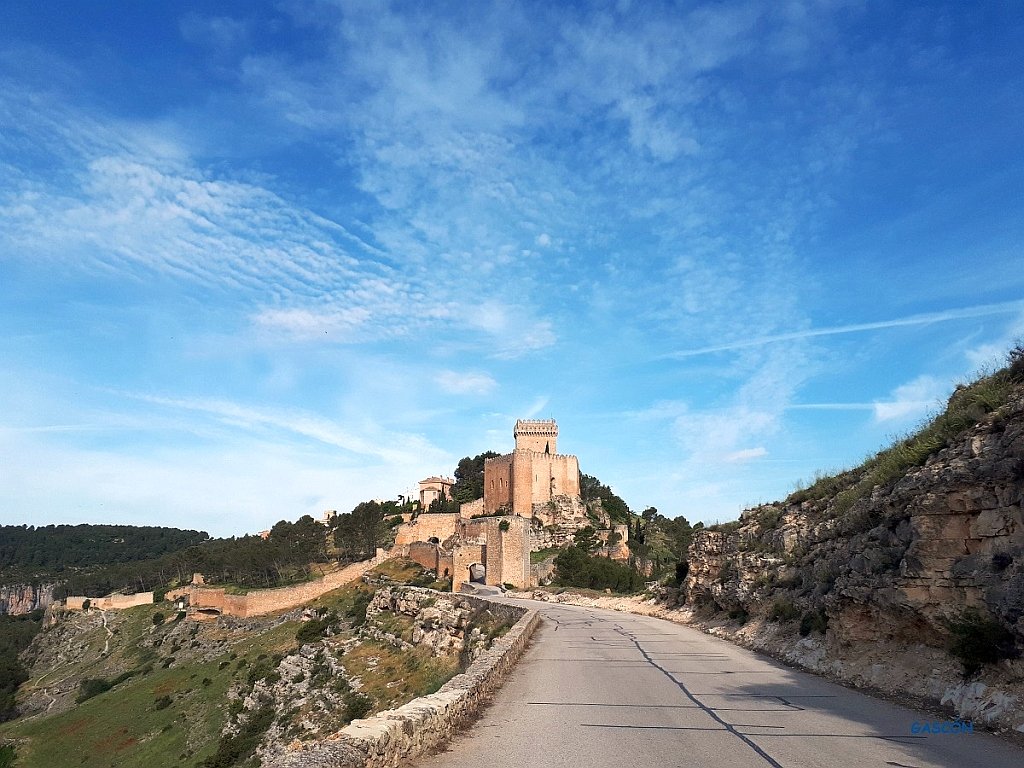
Castilla y León – High Plateaus and Wolf Territory
Castilla y León is a vast region of mountains, high plateaus, river valleys and remote woodland. Its protected landscapes support wolves, vultures, eagles and many other species, while long-distance routes and quieter trails make it especially appealing to walkers looking for wild landscapes and fewer crowds.
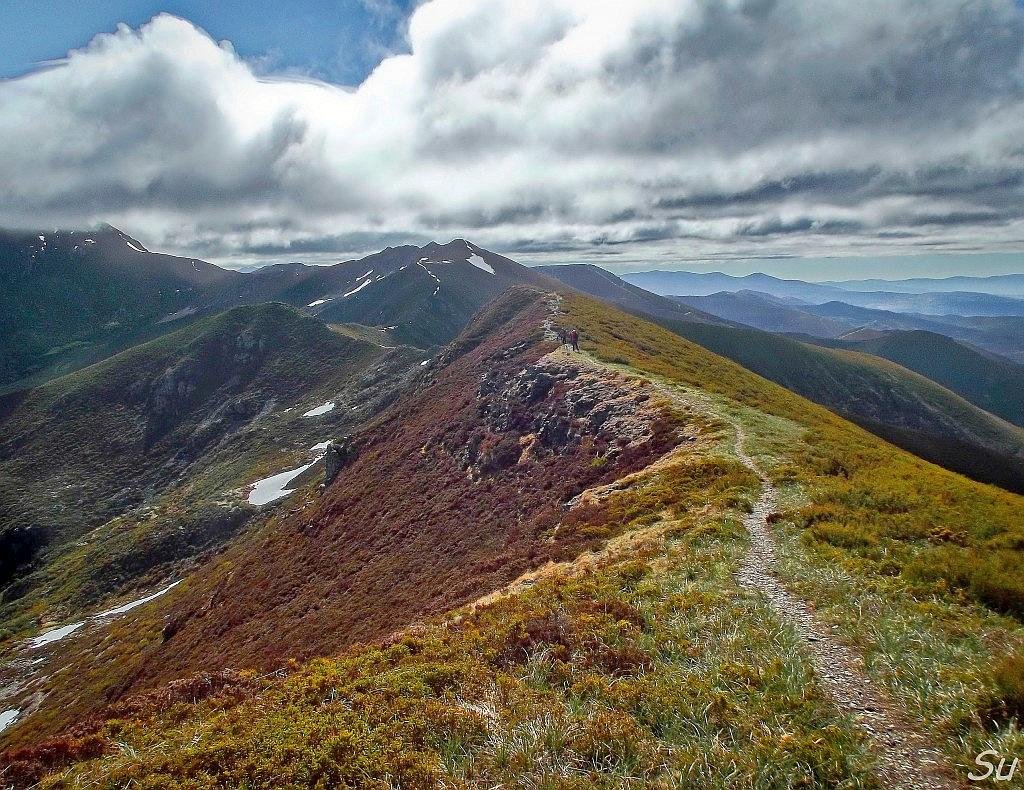
Catalonia (Catalunya) – Mediterranean Nature Parks
Catalonia stretches from the high Pyrenees to the Mediterranean coast, with an extraordinary variety of protected landscapes between them. Its mountains, forests, wetlands and coastal habitats provide excellent opportunities for walking and wildlife, including the spectacular Aigüestortes i Estany de Sant Maurici National Park
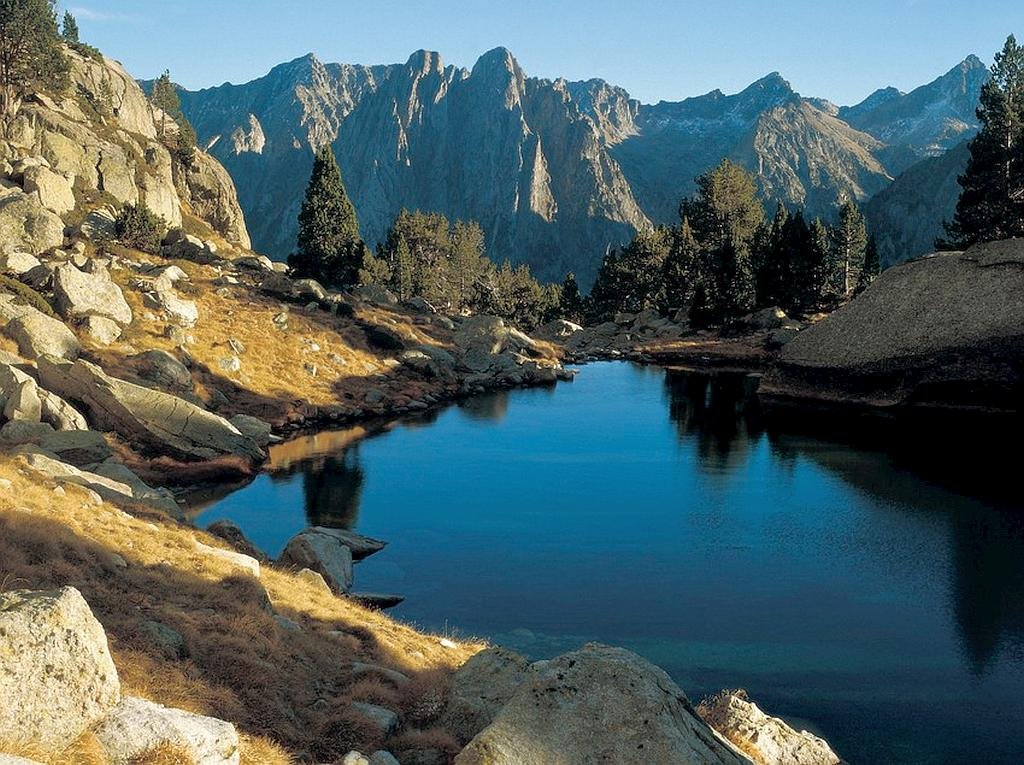
Extremadura – Birding in Spain’s Hidden Interior
Extremadura is one of Spain’s outstanding birdwatching regions, with vast open plains, oak-dotted dehesas, wetlands and rugged river valleys. Vultures, eagles, bustards and other birds thrive across its protected landscapes, while relatively low visitor numbers make it especially rewarding for wildlife-focused travel.
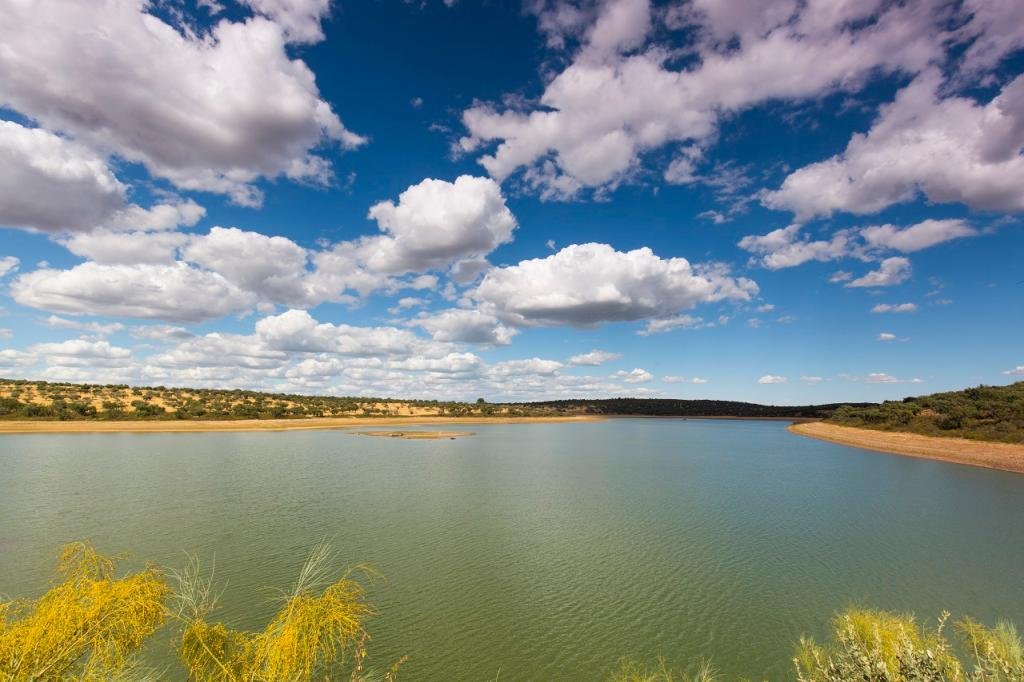
Galicia – Atlantic Forests and Wetlands
Galicia’s Atlantic climate creates a landscape of green forests, river valleys, wetlands and rugged coastlines. Its protected areas range from mainland mountains to the Atlantic Islands, making the region a rewarding destination for walkers, birdwatchers and anyone looking for quieter landscapes away from Spain’s busiest tourist routes.
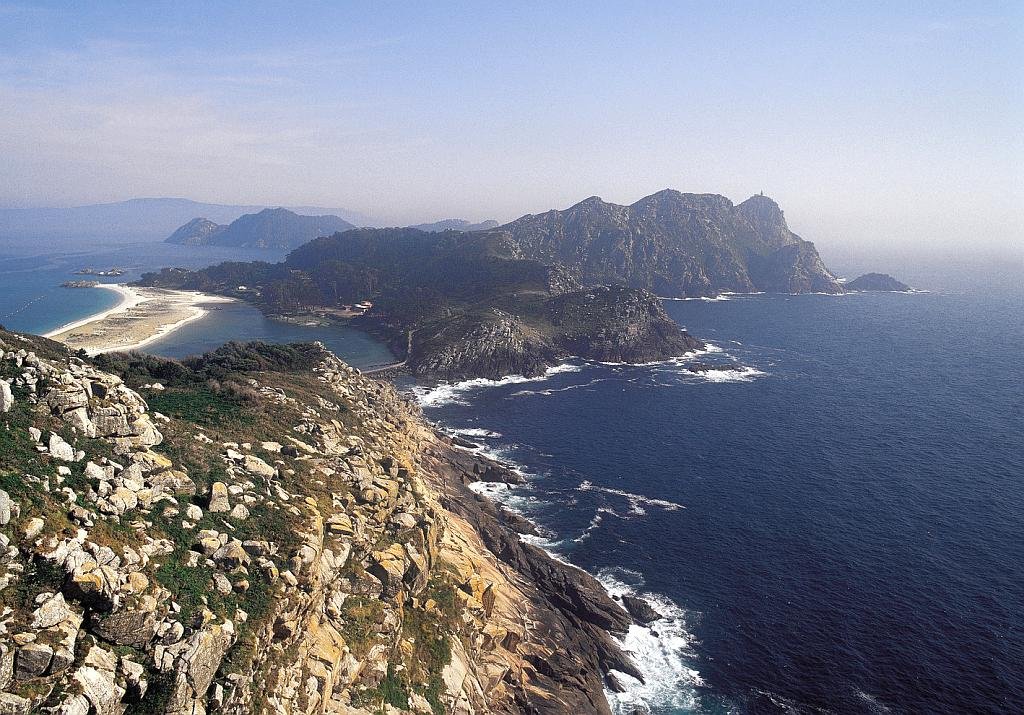
La Rioja – Vineyards and Protected Landscapes
La Rioja may be famous for its vineyards, but the region also has mountains, river valleys, forests and protected landscapes to explore. The Sierra de Cebollera is its designated natural park, while the wider countryside offers a quieter combination of walking, wildlife, traditional villages and wine country

Madrid – Nature Escapes from the Capital
Madrid is surrounded by mountains, forests, river valleys and protected landscapes that are surprisingly close to the capital. The Sierra de Guadarrama and other regional parks offer accessible walking and wildlife experiences, making it possible to combine a city break with time in nature without travelling far.
Murcia – Semi-Desert Landscapes and Coastal Wetlands
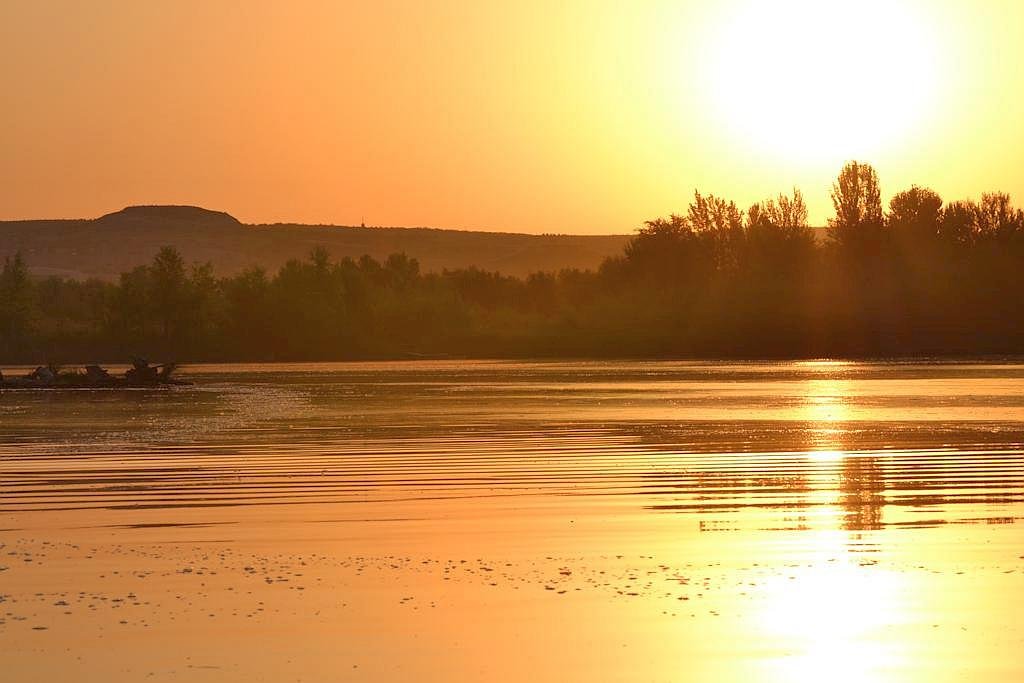
Murcia is a region of striking contrasts, with semi-desert landscapes, mountains, wetlands and a Mediterranean coastline. Its protected areas support an interesting mix of birdlife and specialist plants, while quieter inland trails offer a very different experience from the busy resorts of the coast.

Navarra – From Pyrenees to Desert Landscapes
Navarra packs remarkable geographical variety into a relatively small region, from Atlantic forests and the Pyrenees in the north to the semi-desert landscapes of the Bardenas Reales in the south. This contrast makes it particularly rewarding for walkers and wildlife enthusiasts looking for very different landscapes on the same trip.
Basque Country (País Vasco) – Forests and Sea Cliffs
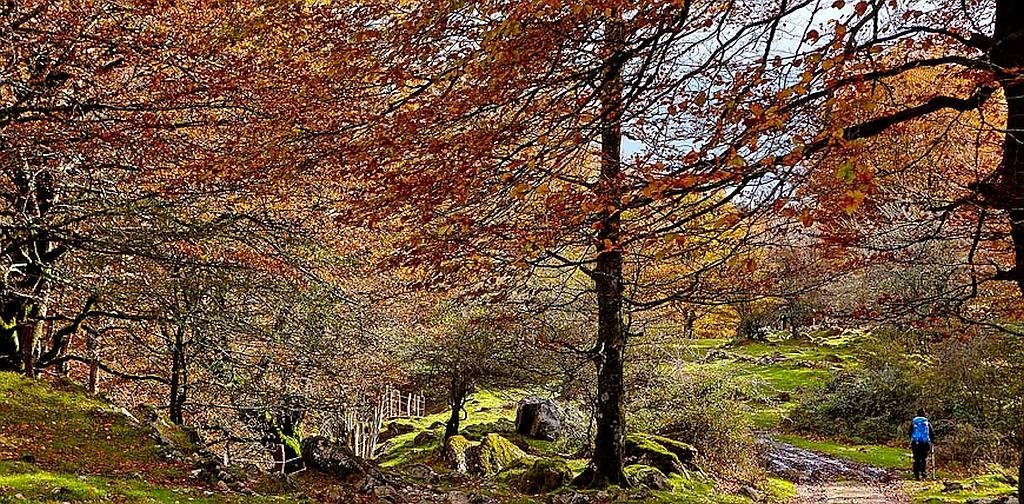
The Basque Country combines Atlantic forests, green mountains and a dramatic Bay of Biscay coastline within a relatively compact region. Its natural parks provide excellent walking and wildlife opportunities, while the landscape is closely connected with the distinctive culture and traditions of Euskadi.

Valencian Community – Mediterranean Parks and Wetlands
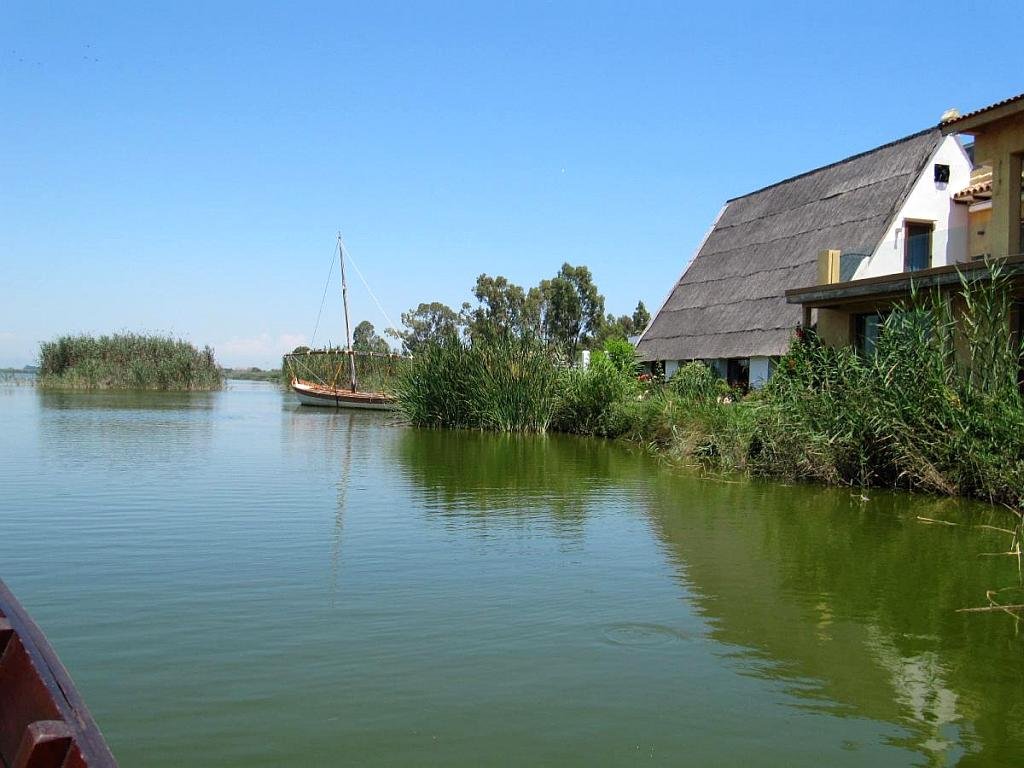
The Valencian Community combines more than 500 kilometres of Mediterranean coastline with mountains, river valleys, wetlands and salt marshes. Its 21 natural parks protect an impressive range of habitats, making the region particularly attractive for birdwatching, walking and exploring Mediterranean landscapes.
Frequently Asked Questions About Wildlife and Walking in Spain
That really depends on what you’re looking for. Down here in Andalucía, you’ve got an incredible mix of wetlands, mountains, and coastline, so it’s hard to beat for variety. If you’re into birdlife, Extremadura is fantastic, and the Pyrenees up north are perfect for high mountain walking.
Andalucía is right up there, especially around Doñana and the Strait of Gibraltar where huge numbers of migrating birds pass through. I’ve spent many days watching raptors crossing the Strait—it’s quite something. Extremadura is another top spot, particularly for vultures and eagles.
Yes, absolutely. Most natural parks have well-marked trails, and you’ll find everything from easy walks to more challenging routes. One of the things I like about Spain is that you can often walk for hours without seeing too many people, especially outside the peak summer months.
Spring and autumn are ideal. The temperatures are comfortable, and there’s usually more wildlife activity. Summer can be very hot, particularly in the south, so it’s better for early morning walks or heading up into the mountains.
You can, and many people do. That said, going out with a local guide can really add to the experience, especially if you’re interested in wildlife. You’ll almost always see and learn more than you would on your own.
Each region page here on Wildside Holidays links through to a selection of guided tours and local providers. It’s a good way to get a feel for what’s available and find something that fits your plans.

Clive Muir – Wildside Holidays – Walking, wildlife and culture holidays in Spain
I’ve been living in western Andalucía for more than 20 years and spend much of my time researching and running English-language travel websites about Spain. My work covers destinations including Cádiz, Ronda, Grazalema and the Caminito del Rey, as well as Wildside Holidays, which focuses on walking, wildlife and nature travel in Spain.
Through Wildside Holidays, I share practical information about Spain’s natural parks, mountains, wildlife and walking destinations, drawing on many years of living and travelling in the country. The aim is to help visitors discover Spain’s natural landscapes responsibly and plan rewarding walking and wildlife experiences.