A quiet disappearance in plain sight
The Iberian wildcat in Spain isn’t a species most people ever notice, and that’s part of the problem. It moves through fragmented woodland and scrub with almost ghost-like secrecy. Yet across southern and eastern Spain, its presence is fading in ways that are becoming harder to ignore.

What makes this more complicated is that its decline doesn’t come from a single cause. It’s a mix of pressure points that overlap and reinforce each other.
Habitat loss, hybridisation, and the slow squeeze on survival
Walk through much of rural Spain today and you’ll see how fragmented the landscape has become. Roads cut through former wilderness. Farming intensifies. Small patches of habitat remain, but they’re isolated.
For the Iberian wildcat, that matters more than it might sound. Isolation forces closer contact with domestic cats, and that is where one of the most serious problems begins.
Hybridisation doesn’t make headlines, but it reshapes populations over time. A wildcat breeding with a domestic cat doesn’t produce something instantly alarming. The change is gradual, generation by generation. Eventually, the genetic identity of the wildcat becomes blurred.
It’s a bit like trying to preserve a traditional recipe while slowly replacing ingredients. After a while, you can’t quite say it’s the same thing anymore.
Disease transmission adds another layer of pressure. Where domestic and feral cats are present in higher densities, pathogens move more easily. The wildcat pays the price for proximity it never chose.
Feral cats and the uncomfortable middle ground
This is where things tend to get heated.
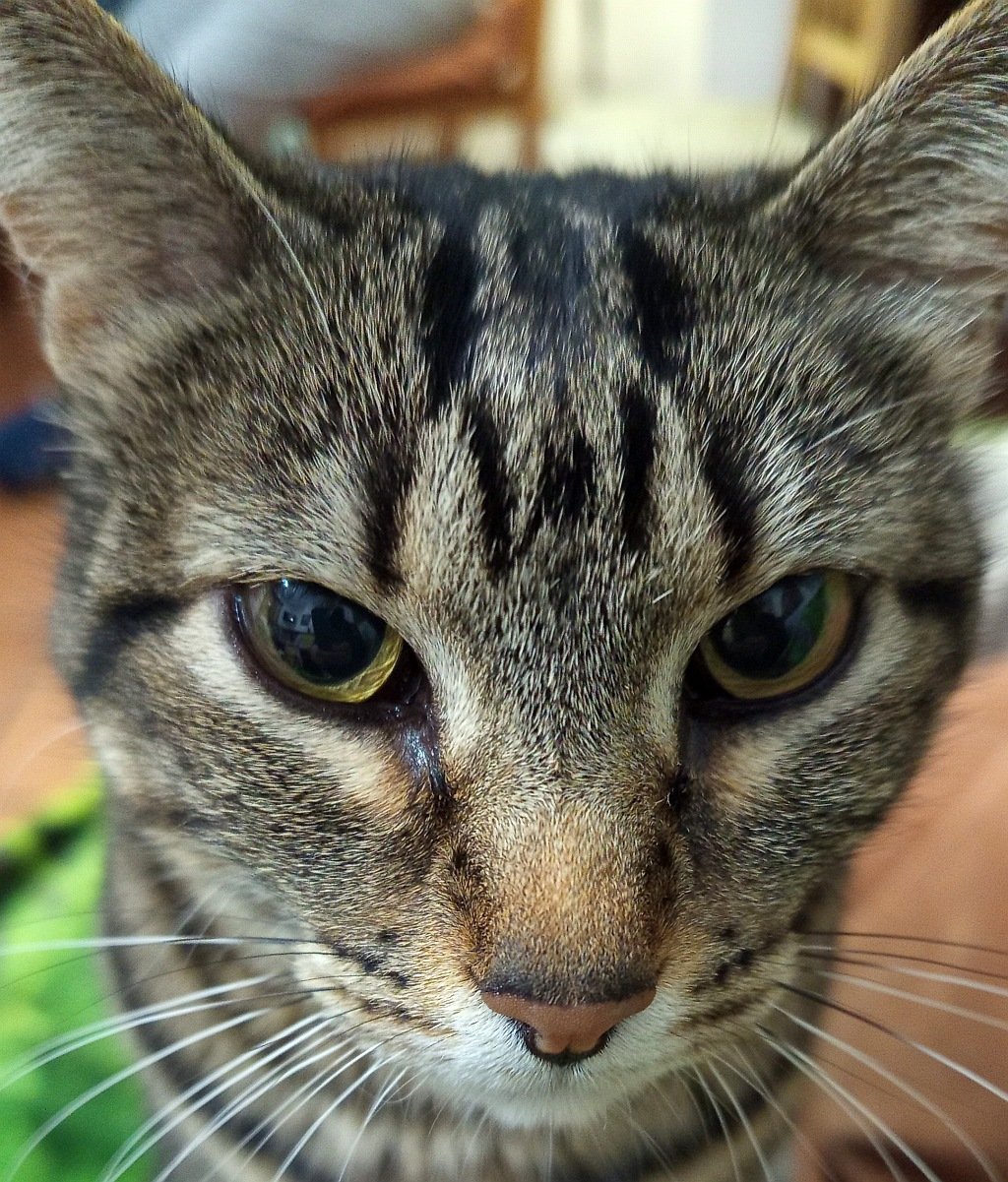
Spain’s approach to feral cats has shifted towards the CER model — capture, neuter, return — often supported by feeding colonies managed by volunteers and councils. In principle, it’s a welfare-led approach. In practice, it creates dense pockets of cats in urban and semi-rural spaces.
If you visit some of these colonies, they feel oddly structured. Regular feeding points, shelters, people coming and going at set times. It’s not quite wild, not quite domestic either.
Supporters see this as humane management. Without it, they argue, the suffering would be worse — more disease, more starvation, more uncontrolled breeding.
Critics look at the same situation and see something else entirely. Artificially sustained populations, often concentrated in places where native wildlife still exists. The concern isn’t just the cats themselves, but what happens around them.
Birds, reptiles, small mammals — these species don’t really get a voice in the debate, but they are part of the equation whether people like it or not.
Where science and emotion start pulling in different directions
One of the most noticeable things about this topic is how quickly it stops being purely scientific.
Ask ecologists about free-roaming cats and you’ll often get a fairly consistent answer: they can exert significant pressure on wildlife, particularly in sensitive ecosystems. That part of the science is fairly well established.
But the interpretation of what to do with that information is where opinions diverge sharply.
For many people involved in colony care, these cats are not an ecological problem first and foremost. They’re animals that have already been abandoned or born into difficult conditions. Removing or restricting them feels morally uncomfortable.
Others take a more conservation-focused view. They point out that good intentions don’t automatically translate into good ecological outcomes. A well-fed feral cat is still a predator in the wrong place from a biodiversity standpoint.
Neither side is entirely unreasonable. That’s what makes the debate so persistent.
The wildcat caught in the gap
It is native, elusive, and already struggling. Yet its biggest modern threat is not a dramatic one. It’s gradual dilution through hybridisation, and indirect pressure from a species that humans have spread far more widely than nature ever intended.

There’s something slightly uncomfortable about that. We’ve created a landscape where a native predator is increasingly squeezed out by a domesticated cousin living on the edges of human settlement.
Is there a way forward that actually works?
Habitat protection still matters, and arguably more than anything else. Without connected landscapes, nothing else really works.
Stronger controls on abandonment would help too, though that’s easier said than done. Anyone who has ever tried to manage feral populations at a local level will tell you it’s slow, messy work.
Genetic monitoring is another piece of the puzzle. Without it, hybridisation risks go unnoticed until it’s too late to reverse.
And then there’s the uncomfortable question of cat density in sensitive areas. Not eradication, not neglect — something in between that acknowledges both ecological reality and animal welfare concerns. That middle ground is where policy tends to struggle.
A species that doesn’t shout for attention
The Iberian wildcat won’t disappear overnight. That’s not how this works. It fades, quietly, in pockets, until one day people realise it’s no longer part of the landscape they assumed it was.
That’s what makes it such a difficult conservation story. There’s no single dramatic event to rally around. Just slow change, difficult trade-offs, and a lot of disagreement about what “doing the right thing” actually looks like.
Further Reading
- Situación del gato montés europeo (Felis silvestris) en la provincia de Cádiz (2024)
- Felis sylvestris rticle on Wikipedia
FAQ: Iberian Wildcat in Spain, Feral Cats and Conservation Debate
The Iberian wildcat population in Spain is believed to be declining in several regions, particularly in fragmented rural habitats. In some areas, numbers are thought to be extremely low, with isolated groups struggling to remain genetically stable. Habitat loss and increasing contact with domestic cats are key pressures. However, exact figures remain debated, and the situation is often described as uneven rather than uniformly catastrophic across the country.
Feral cats in Spain can impact Iberian wildcats mainly through hybridisation and competition. Where populations overlap, interbreeding may gradually dilute the wildcat’s genetic identity. Disease transmission is also a concern in dense cat populations. Although not every region is affected equally, conservationists argue that unmanaged feral densities can quietly undermine long-term wildcat survival, especially in rural areas where habitats are already fragmented.
Feral cat colonies, often managed through CER (Capture, Neuter, Return), divide opinion. Supporters see them as a humane solution that reduces suffering and controls reproduction. Critics, however, argue that feeding programmes can sustain unnaturally high cat densities, which may increase pressure on native wildlife. The debate is ongoing in Spain, with strong emotional and ethical arguments on both sides rather than a clear consensus.
Yes, Iberian wildcats and domestic cats are genetically distinct, although they can interbreed. The concern in conservation is not just presence, but hybridisation over time. When repeated crossbreeding occurs, the original wild genetic traits may become diluted. This process is gradual and often goes unnoticed until populations are already significantly altered, which is why monitoring is considered so important by researchers.
There is broad agreement that free-roaming cats can affect wildlife, particularly birds, reptiles and small mammals. However, the scale of impact in Spain varies depending on habitat type, cat density and local ecological conditions. Some researchers emphasise the role of broader issues like agriculture and urban expansion as well. So while cats are part of the equation, they are not viewed as the sole driver of biodiversity loss.
That question sits at the heart of the current debate. Some conservation strategies suggest improved habitat protection and stricter controls on abandonment could reduce pressure without drastic measures. Others argue that high-density feral colonies near sensitive habitats remain incompatible with wildcat survival. The reality is complex, and any effective solution would likely need cooperation between welfare groups, local councils and conservation bodies.

Clive Muir – Wildside Holidays – Walking, wildlife and culture holidays in Spain
I’ve been living in western Andalucía for more than 20 years and spend much of my time researching and running English-language travel websites about Spain. My work covers destinations including Cádiz, Ronda, Grazalema and the Caminito del Rey, as well as Wildside Holidays, which focuses on walking, wildlife and nature travel in Spain.
Through Wildside Holidays, I share practical information about Spain’s natural parks, mountains, wildlife and walking destinations, drawing on many years of living and travelling in the country. The aim is to help visitors discover Spain’s natural landscapes responsibly and plan rewarding walking and wildlife experiences.
1 thought on “The Iberian Wildcat in Spain: A Vanishing Predator Caught Between Science, Politics, and Feral Cats”
Comments are closed.