The River Vero Cultural Park is a unique space known for its cultural and natural value. This is evident in its nature, landscape, history, art, tradition and dynamism of its inhabitants. It was created in 2001 and includes the towns and villages of Bárcabo, Colungo, Alquézar, Adahuesca, Santa María de Dulcis, Pozán de Vero, Azara, Castillazuelo and Barbastro.
Discover the villages and stunning scenery of Aragón. This is perfect territory for a road trip staying one or two nights in selected villages and towns of the Aragonese Pyrenese.
3-Night Road Trip in the Aragonese Pyrenees
Day 1: Barbastro – Alquézar
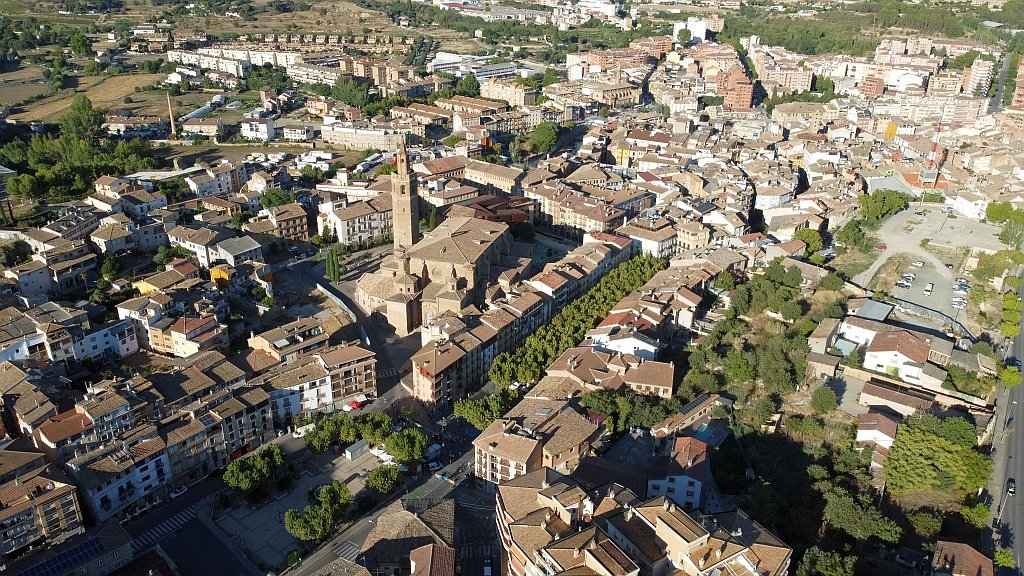
- Morning: Start in Barbastro, the largest town in the area. Explore the historic center, including the Cathedral of the Assumption and local tapas bars.
- Afternoon: Drive ~30 minutes north to Alquézar, a medieval village perched on a rocky outcrop. Wander the cobblestone streets, visit the Collegiate Church, and enjoy panoramic views of the Vero River Canyon.
- Evening & Stay: Spend the night in Alquézar. Options include small boutique hotels or charming guesthouses like Hotel Villa de Alquézar.
Day 2: Alquézar – Colungo – Bárcabo – Alquézar
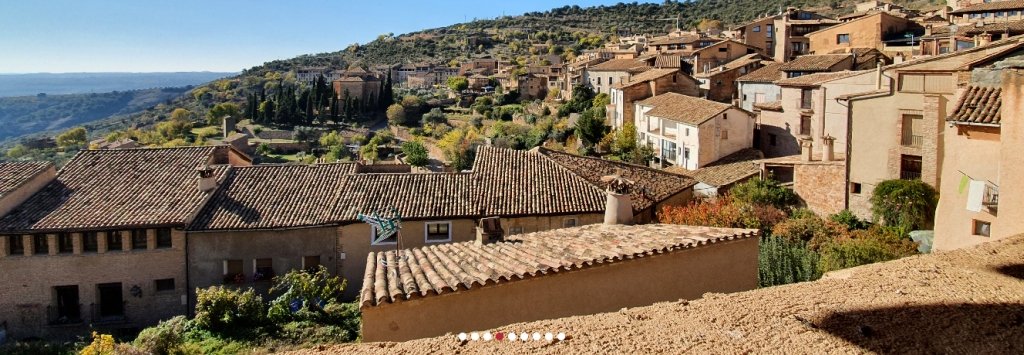
- Morning: Short drive to Colungo (~15 minutes). Walk through this quiet village and discover the cave paintings in the Vero River canyon, part of the UNESCO World Heritage site of the Prehistoric Rock Art of the Mediterranean Arc.
- Afternoon: Head further north to Bárcabo (~25 minutes), a peaceful mountain village in the foothills of the Pyrenees. Enjoy short hikes nearby or simply soak in the tranquil surroundings.
- Evening & Stay: Return to Alquézar and the Hotel Villa de Alquézar.
Day 3: Alquézar – Pozán de Vero – Azara – Barbastro
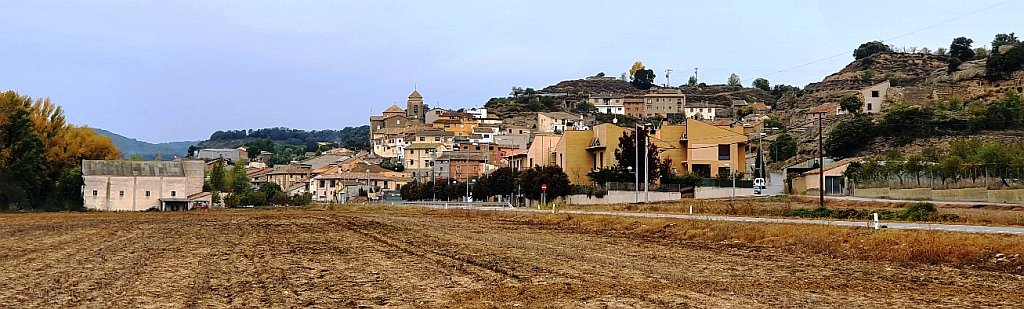
- Morning: to Pozán de Vero (~40 minutes). Explore the village and local churches, then continue to Azara, another small village with traditional architecture (~15 minutes).
- Afternoon: Return to Barbastro (~20 minutes), taking time to stop in other small villages along the way like Adahuesca or Castillazuelo. You can explore local wineries in the Somontano wine region before ending your loop.
- Evening & Stay: Overnight in Barbastro at hotels like Hotel San Ramón del Somontano or Hotel Ciudad de Barbastro, ideal for a relaxing final night.
About the area
The area is situated in the centre of the Huesca province (Aragon) and centred around the River Vero, a tributary of the Cinca River. From the north to the south, this river connects the pre-Pyrenean mountainous areas with the gentle reliefs and Mediterranean landscape of the Somontano, a geographical location in the Ebro depression.
The northern zone of the park is integrated into the Natural Protected Space of the Sierra de Guara Natural Park. (Read more here).
The River Vero Cultural Park is a living territory. Landscapes dotted with small villages with marked personalities, next to the mouth of the River Vero and the city of Barbastro. The centres are diverse in the sense of size, location, and volume of and materials used in the constructions. The bell towers have a unique profile and are inseparable from the urban landscape.
The northern villages are adapted to the topography and were strategically positioned at a defensive level during the Middle Ages. This resulted in compact urban centres, with an organic growth outwards from the church, or the main fortress, if there was one.
In the central and southern areas the geographical conditions are more favourable, which permits the streets to be wider and straighter, with a less compact layout and more orderly growth.
More information on the official website of the The River Vero Cultural Park https://parqueculturalriovero.com/en/
Things to do from Get Your Guide
FAQs About Visiting the River Vero Cultural Park in Aragón
The River Vero Cultural Park includes villages like Alquézar, Bárcabo, Colungo, Pozán de Vero, Azara, and Barbastro. Each village offers a unique character, from medieval streets and churches to tranquil mountain surroundings. For a full three-night route connecting these towns, the article provides a detailed itinerary and recommended stays.
A three-night trip is recommended to fully experience the villages, local cuisine, and natural landscapes without rushing. This schedule allows time for short hikes, visits to historic churches, and wandering scenic streets. The article outlines a complete circular route for convenience.
Visitors can explore medieval villages, the Collegiate Church in Alquézar, historic bell towers, and the UNESCO-listed cave paintings in Colungo. Northern villages feature compact, strategically positioned layouts dating back to the Middle Ages, while southern towns display wider, more orderly streets reflecting favourable terrain.
Yes. Boutique hotels and guesthouses enhance the experience, including Hotel Villa de Alquézar in Alquézar and Hotel San Ramón del Somontano in Barbastro. Rural casas in Bárcabo or Colungo also offer authentic local stays.
This area combines natural beauty, cultural heritage, and vibrant local life. From pre-Pyrenean mountains in the north to the Somontano landscapes in the south, the park links diverse terrain with villages that preserve art, tradition, and history. The article goes into detail about the geography and cultural significance.
Absolutely. You can hike in the Sierra de Guara Natural Park, explore scenic river canyons, and visit historic villages all in a single three-day loop. The itinerary in the article demonstrates how to mix outdoor activities with cultural exploration efficiently.

Clive Muir – Wildside Holidays – Walking, wildlife and culture holidays in Spain
I’ve been living in western Andalucía for more than 20 years and spend much of my time researching and running English-language travel websites about Spain. My work covers destinations including Cádiz, Ronda, Grazalema and the Caminito del Rey, as well as Wildside Holidays, which focuses on walking, wildlife and nature travel in Spain.
Through Wildside Holidays, I share practical information about Spain’s natural parks, mountains, wildlife and walking destinations, drawing on many years of living and travelling in the country. The aim is to help visitors discover Spain’s natural landscapes responsibly and plan rewarding walking and wildlife experiences.