- Region: Aragón
- Province: Zaragoza
- Declared a Natural Park: 1978
- Park surface area: 11,144 hectares
- Towns and Villages: Añón, Calcena,Litago, Lituénigo, Purujosa, San Martín de la Virgen de Moncayo, Talamantes, Tarazona and Trasmoz
Points of interest
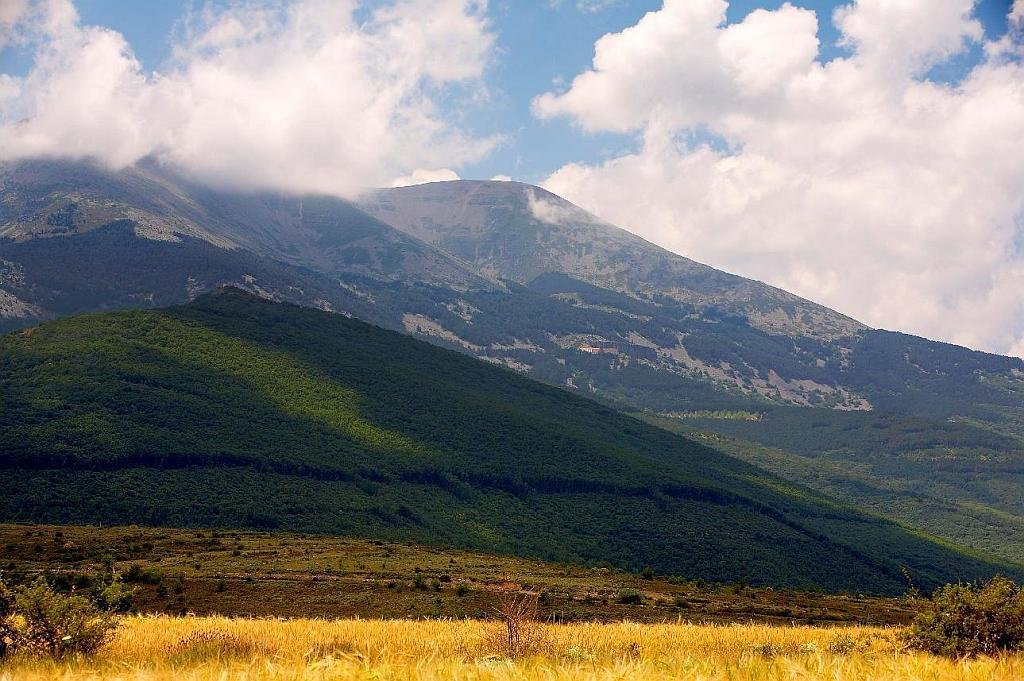
The Moncayo Natural Park (once called the “Dehesa del Moncayo Natural Park”) is a protected natural area located in the province of Zaragoza on the border with the province of Soria. It occupies part of the regions of Aranda, Campo de Borja, Tarazona and Moncayo. Moncayo itself is a 15 km long and about 7 km wide mountain chain and the highest summit, San Miguel (2,314 m), is the highest point in the 500 km long sistema Ibérico. The Moncayo massif also includes two other peaks that are almost identical and are located close together. They are the Cerro San Juan (2,283 m) and Peña Lobera (2226 m).
The area has quite a few walking / hiking routes and one of the most famous starts from the village of San Martín de la Virgen de Moncayo and finishes at the village of Agramonte. (See information centres below)
The area has also become famous as a starlight destination. The Starlight Foundation is a non-profit organization that was founded in 2009 to promote the protection of the night sky and the development of “astrotourism” and there is an ever growing list of starlight destinations in Spain to visit.
Find a hotel in the Moncayo Natural Park
Accommodation near Moncayo Natural Park blends peaceful landscapes with the character of small mountain villages. Visitors can expect quiet stays surrounded by forests, winding trails, and views that change with the seasons. The area provides a calm base for exploring the park’s paths, wildlife, and cultural heritage, while offering a comfortable place to rest after a day outdoors.
I stayed in Tarazona at the Hotel Brujas De Irues just outside the centre, close enough to the Moncayo to get into the park without any hassle. The room was clean and comfortable, and it was somewhere easy to come back to after a day on the trails. Being based there meant I could enjoy the town in the evenings and head straight toward the mountains in the mornings, which worked well for the trip.
Flora
The lower slopes are mainly a covering of mixed scrubland and holm oak. and at higher altitude these are replaced by beech, juniper, willow, gorse and heather. There are also planted pine forest interspersed with native forest of scots and black pine. Peaks are mostly bare of trees and lower growing “alpine” shrubbery is well developed. (Especially heather and gorse).
Fauna
The mixed scrubland and lush vegetation of the Moncayo area is the perfect habitat for birdlife. (Over 100 species). This is a lesser visited natural park of Spain and also hunting is very restricted thus creating a unique and biodiverse habitat. This park is where I have had the best sightings of short toed eagles! 🙂

Of the 228 species of butterflies known in Spain, 127 inhabit the Moncaya Natural park. May to August are the best months with most species on the wing during this time.
Mammals include wild boar, red deer, genet, mongoose, fox and wild cat though they are fairly secretive and can be hard to find.
Also in the area
Monastery of Veruela
El Real Monasterio de Santa María de Veruela (The Royal Monastery of Santa María de Veruela) is a Cistercian abbey dating from the 12th century. It is situated near Vera de Moncayo. It was founded in 1146 by Pedro de Atarés. More info in wikipedia.
The Wine Route
The Garnacha Wine Route includes the larger villages of Campo de Borja, Vera de Moncayo and El Buste but in total there are 20 villages linked by vineyards and The Museum and much more information can be found inside the Monastery of Veruela. This should be your starting point for the route around Moncayo vineyards.
Cathedral ‘Santa María de Huerta’
In Tarrazona, the Cathedral ‘Santa María de Huerta’ stands out, a beautiful mosaic of architecture styles whose origins date back to 13th century. Gothic, Mudejar and Renaissance fuse together in which is considered to be one of the mosy beautiful Gothic cathedrals in Spain.
Information/Visitors Centers
Tourist Office in Tarrazona
Address: Plaza San Francisco, 1, Tarazona
The tourist office in Tarrazona should be number 1 on your visit list. The staff are friendly and very helpful. Excellent information about walking and hiking in the area.
Monday to Friday: 09.30 to 14.15 and 16.00 to19.00
Saturday: 10.00 to 14.00 and16.00 to19.00
Sunday: 10.00 to 14.00 and 16.00 to 18.00
Interpretation Center in Añon de Moncayo
Situated on the ground floor of the town hall building in the Plaza de España this centre has an excellent exhibition about the natural park and mans influence on the environment. There is also an audio visual projection showing many aspects of the Moncayo Natural Park.
The Aragón tourist information website is here.
https://www.turismodearagon.com/en/ficha/parque-natural-del-moncayo/
Explore Moncayo Natural Park: FAQs for Visitors
Moncayo Natural Park is known for its striking mountains, diverse wildlife, and tranquil walking paths. Visitors often comment on the ever-changing views from San Miguel’s summit and the peaceful alpine shrublands below. The park is also a Starlight-certified destination, perfect for stargazing. For those curious about local trails and seasonal highlights, the full article provides detailed insights.
One of the most popular hikes starts in San Martín de la Virgen de Moncayo and winds towards Agramonte, offering panoramic views of the massif. Trails vary in difficulty, so beginners and experienced walkers alike will find suitable options. For practical advice on timing, wildlife spotting, and hidden viewpoints, check the article’s hiking section.
Over 100 bird species, including Golden eagles, inhabit the park. Butterflies are abundant, with 127 species recorded from May to August. Mammals like red deer and wild boar roam the area, though sightings are occasional due to their secretive nature. More wildlife tips and seasonal highlights are shared in the article.
Towns such as Tarazona or Añón de Moncayo offer convenient access to trails while retaining a quiet village charm. Hotels, like Brujas De Irues, provide comfortable rooms and easy morning departures into the park. Further accommodation options and local recommendations are explored in detail within the full guide.
Visitors can explore the Royal Monastery of Santa María de Veruela, a 12th-century Cistercian abbey, or Tarazona’s Cathedral ‘Santa María de Huerta’, a blend of Gothic, Mudejar, and Renaissance architecture. These sites offer historical context to the region, and the article also highlights smaller villages and heritage experiences nearby.
Tourist offices in Tarazona and the Interpretation Centre in Añón de Moncayo offer maps, exhibitions, and audiovisual presentations on the park’s wildlife, trails, and human influence. For precise opening hours, guided tour tips, and insider recommendations, the full article contains all the essential planning details.

Clive Muir – Wildside Holidays – Walking, wildlife and culture holidays in Spain
I’ve been living in western Andalucía for more than 20 years and spend much of my time researching and running English-language travel websites about Spain. My work covers destinations including Cádiz, Ronda, Grazalema and the Caminito del Rey, as well as Wildside Holidays, which focuses on walking, wildlife and nature travel in Spain.
Through Wildside Holidays, I share practical information about Spain’s natural parks, mountains, wildlife and walking destinations, drawing on many years of living and travelling in the country. The aim is to help visitors discover Spain’s natural landscapes responsibly and plan rewarding walking and wildlife experiences.