Otter – Lutra lutra -Nutria Europea.

The Otter - Lutra lutra -Nutria Europea (in Spain the European otter)

The Otter – Lutra lutra – Nutria Europea. A carnivorous mammal in the subfamily Lutrinae. They are semiaquatic in Spain with diets based mostly on fish and invertebrates.

Although most European otters tend to prey primarily on fish, some have developed a taste for frogs and toads—a food choice that requires some deft preparation. Because common toads (Bufo bufo) have toxins in both their skin and the glands on either side near the front of their bodies, these resourceful otters use their sharp teeth to remove the skin from the back half of the toads and then eat just the hind legs. While common frogs (Rana rana) don’t have toxic skin or glands, most otters appear to not know the difference, and generally play it safe by following the same food-prep routine they use on toads.

There is a brilliant photo of an otter with a frog on the website link below. https://www.biographic.com/frog-leg-feast/

A slow population recovery.

With the creation of many natural and national parks in Spain, and other environmental awareness campaigns, the otter population seems to have increased, certainly in Andalusia, over the past 20 years. However, this recovery has been relatively slow, and in some areas the impact of human activities still prevents the species, from expanding into new territory.

Read more

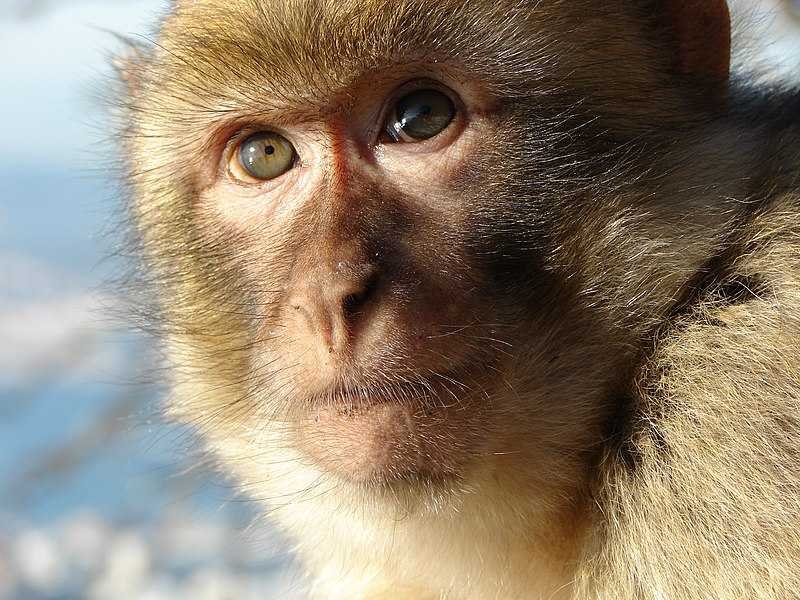
The Barbary macaques of Gibraltar

The barbary macaques of Gibraltar

The Barbary macaque (Macaca sylvanus), also known as the Barbary ape, is a species of Old World monkey native to the Atlas Mountains of North Africa. However, a small population of barbary macaques also exists in Europe, in the British overseas territory of Gibraltar.

The Barbary macaque population in Gibraltar is the only wild population of this species outside of Africa and is considered to be of high conservation value. The macaques are protected under both UK and EU law, and their population is subject to monitoring and management efforts to ensure their long-term survival.

Read more

Large Psammodromus – Psammodromus algirus – Lagartija Colilarga

Large Psammodromus - Psammodromus algirus – Lagartija colilarga-2
  • English: Large Psammodromus
  • Scientific: Psammodromus algirus (Linnaeus 1758)
  • Castilian: Lagartija Colilarga
  • Catalan: Sargantaner gros
  • Portuguese: Lagartixa-do-mato
  • Family: Lacertidae
  • Distribution: Iberia (excluding the northern Atlantic coastal stretch.) Algeria, France, Gibraltar, Italy, Morocco, Portugal and Tunisia

The Large Psammodromus – Psammodromus algirus – Lagartija Colilarga can have a body length of up to 9cm with a slender tail that is two or three times longer. Its back is a soft brown with two pale yellow or off white stripes running down each flank. The back legs up to the beginning of the tail are a soft orange colour, all of this helps them to blend well with fallen leaves and soil shades under bushes which is where they are normally seen. This can be in forests, woods or more open scrubland but generally not far from shrubs that they can hunt through and use as shelter.

Read more

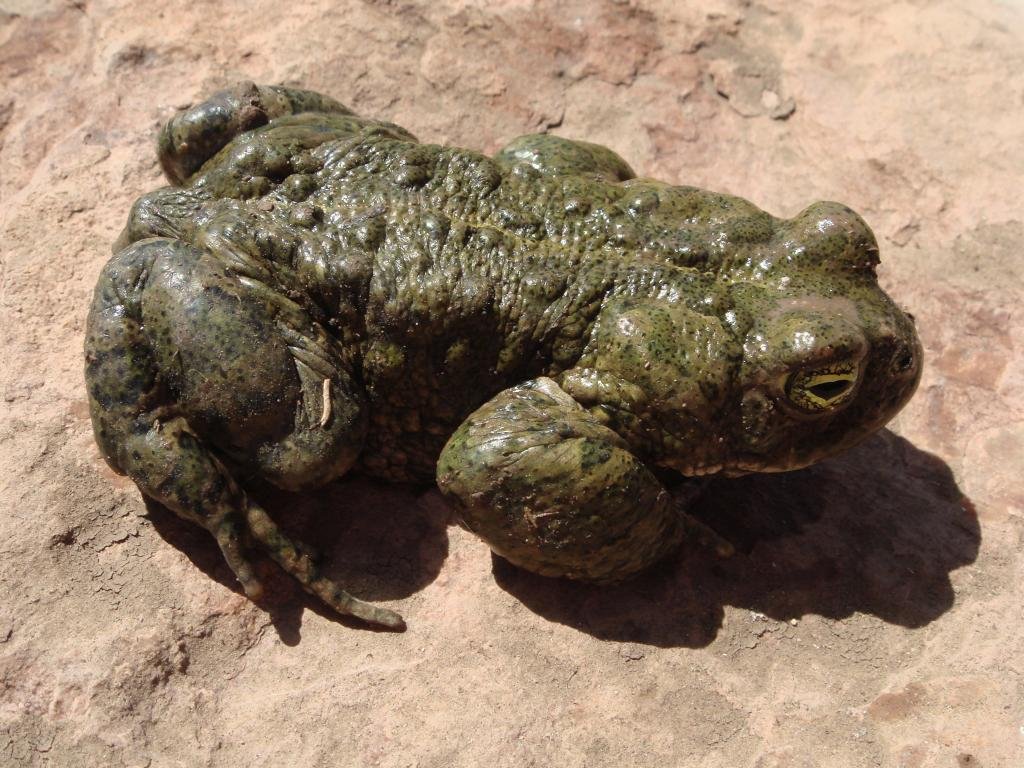
Natterjack toad – Epidalia (Bufo) calamita – Sapo corredor

Natterjack toad - Epidalia (Bufo) calamita - Sapo corredor
  • Family: Bufonidae
  • English: Natterjack Toad
  • Scientific: Epidalia (Bufo) calamita
  • Spanish: Sapo corredor
  • Basque: Apo lasterkaria
  • Catalan: Gripau corredor, gripau
  • Galician: Sapo corriqueiro
  • Portuguese: Sapo-corredor
  • Distribution Iberia: Found throughout all Portugal and much of Spain, including the Pyrenees but excluding the northern Atlantic region and the dry central interior, though present in the south.
  • Further distribution: UK mainland and Ireland, France through Germany, Switzerland, Denmark and southern Swedish coastal regions to Poland, Belarus, Ukraine and the Baltic states, and also in Northwest Africa and west Asia. In the UK and Eire the species is restricted in its distribution and considered endangered. In Ireland, found only on the Dingle Peninsula, and distribution in the UK is almost restricted to coastal areas.

The Natterjack toad – Epidalia (Bufo) calamita – Sapo corredor is a species of Bufo, a large genus of so-called “true toads” traditionally found worldwide, although some authorities have now separated the Old World species from the New.

Description

Epidalia (Bufo) calamita is a medium-sized toad with a total maximum length of about 9-10cm in Iberia. (Elsewhere in Europe the species is smaller, males measuring 8cm and females 10cm). The head is wider than long, with a short rounded snout, and the area between the eyes is flat. The tympanum, measuring about half the diameter of the eye, is usually not visible, and if it is, only the front part can be seen.

Natterjack toad - Epidalia (Bufo) calamita - Sapo corredor
Natterjack toad – Epidalia (Bufo) calamita – Sapo corredor with a faint yellow dorsal stripe

Read more