Large Psammodromus – Psammodromus algirus – Lagartija Colilarga

Large Psammodromus - Psammodromus algirus – Lagartija colilarga-2
  • English: Large Psammodromus
  • Scientific: Psammodromus algirus (Linnaeus 1758)
  • Castilian: Lagartija Colilarga
  • Catalan: Sargantaner gros
  • Portuguese: Lagartixa-do-mato
  • Family: Lacertidae
  • Distribution: Iberia (excluding the northern Atlantic coastal stretch.) Algeria, France, Gibraltar, Italy, Morocco, Portugal and Tunisia

The Large Psammodromus – Psammodromus algirus – Lagartija Colilarga can have a body length of up to 9cm with a slender tail that is two or three times longer. Its back is a soft brown with two pale yellow or off white stripes running down each flank. The back legs up to the beginning of the tail are a soft orange colour, all of this helps them to blend well with fallen leaves and soil shades under bushes which is where they are normally seen. This can be in forests, woods or more open scrubland but generally not far from shrubs that they can hunt through and use as shelter.

Read more

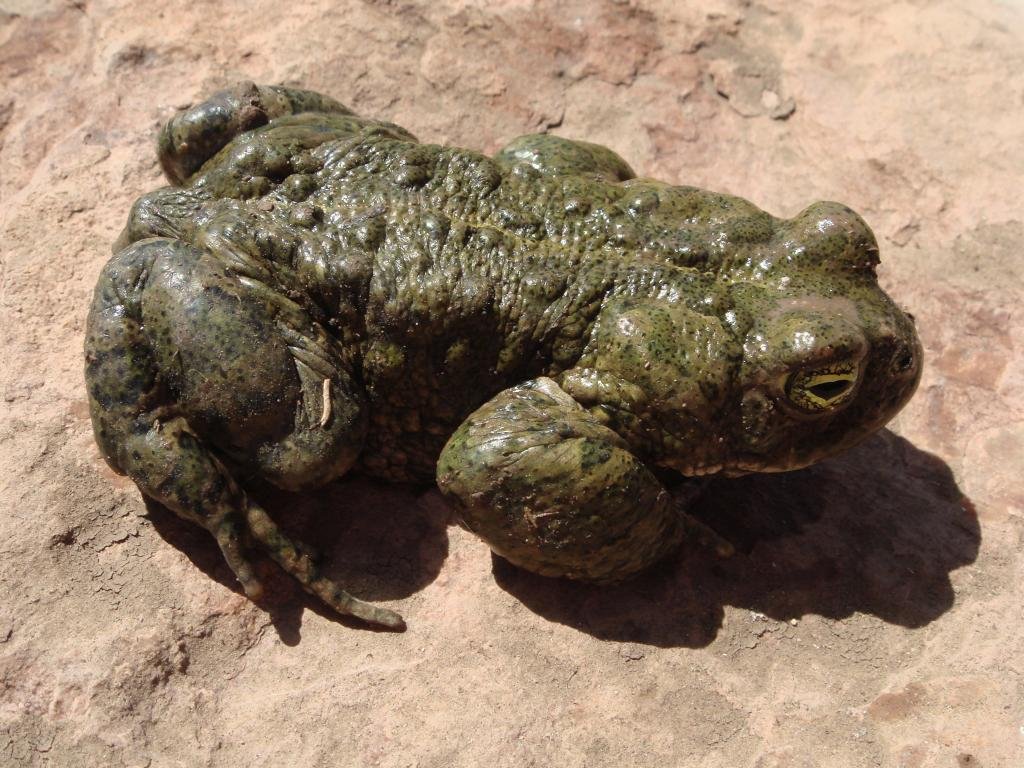
Natterjack toad – Epidalia (Bufo) calamita – Sapo corredor

Natterjack toad - Epidalia (Bufo) calamita - Sapo corredor
  • Family: Bufonidae
  • English: Natterjack Toad
  • Scientific: Epidalia (Bufo) calamita
  • Spanish: Sapo corredor
  • Basque: Apo lasterkaria
  • Catalan: Gripau corredor, gripau
  • Galician: Sapo corriqueiro
  • Portuguese: Sapo-corredor
  • Distribution Iberia: Found throughout all Portugal and much of Spain, including the Pyrenees but excluding the northern Atlantic region and the dry central interior, though present in the south.
  • Further distribution: UK mainland and Ireland, France through Germany, Switzerland, Denmark and southern Swedish coastal regions to Poland, Belarus, Ukraine and the Baltic states, and also in Northwest Africa and west Asia. In the UK and Eire the species is restricted in its distribution and considered endangered. In Ireland, found only on the Dingle Peninsula, and distribution in the UK is almost restricted to coastal areas.

The Natterjack toad – Epidalia (Bufo) calamita – Sapo corredor is a species of Bufo, a large genus of so-called “true toads” traditionally found worldwide, although some authorities have now separated the Old World species from the New.

Description

Epidalia (Bufo) calamita is a medium-sized toad with a total maximum length of about 9-10cm in Iberia. (Elsewhere in Europe the species is smaller, males measuring 8cm and females 10cm). The head is wider than long, with a short rounded snout, and the area between the eyes is flat. The tympanum, measuring about half the diameter of the eye, is usually not visible, and if it is, only the front part can be seen.

Natterjack toad - Epidalia (Bufo) calamita - Sapo corredor
Natterjack toad – Epidalia (Bufo) calamita – Sapo corredor with a faint yellow dorsal stripe

Read more

Exploring the Diverse Beauty of Spain: A Journey Through Its Wildlife, Geography, and Protected Areas

Los Barruecos (Malpartida de Cáceres, Caceres)

Spain, a land of rich cultural heritage and stunning natural beauty, beckons travelers from around the world. While many are familiar with its vibrant cities and historical landmarks, Spain’s wild side often remains hidden. In this article, we embark on a journey through the wilderness of Spain, exploring its diverse wildlife, captivating geography, and the importance of its protected areas.

The Breathtaking Geography of Spain

Spain’s geography is a testament to nature’s grandeur. From the snow-capped peaks of the Pyrenees in the north to the sun-soaked beaches of the Costa del Sol in the south, Spain offers a striking variety of landscapes.

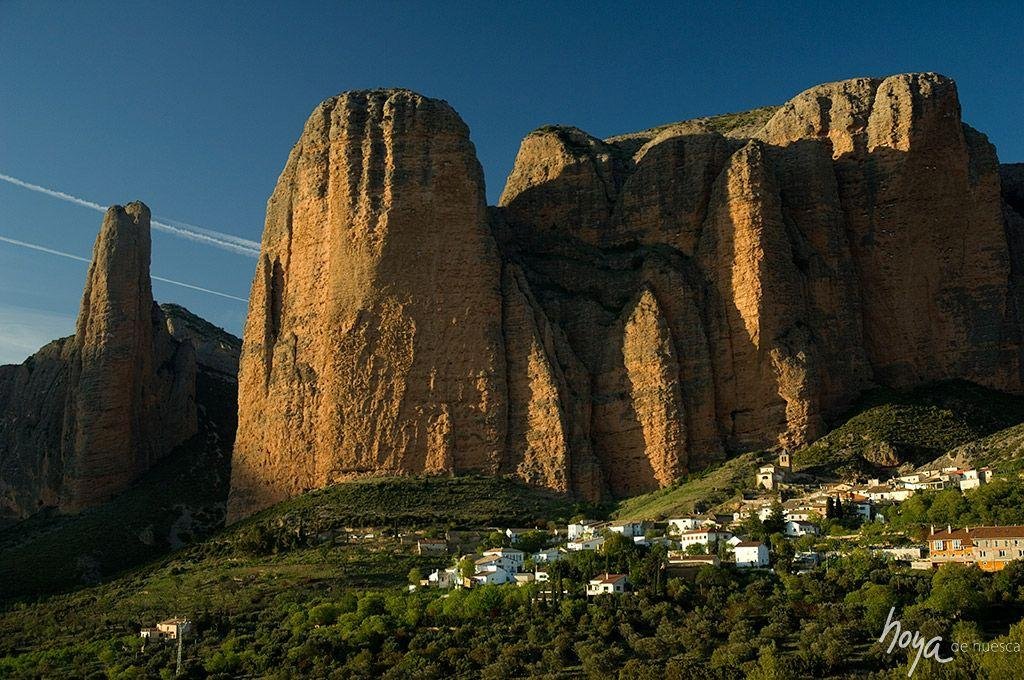
The village of Riglos, a hidden gem in the Hoya de Huesca

Read more

Spain’s Wolf Protection Measures and the European Commission’s Perspective

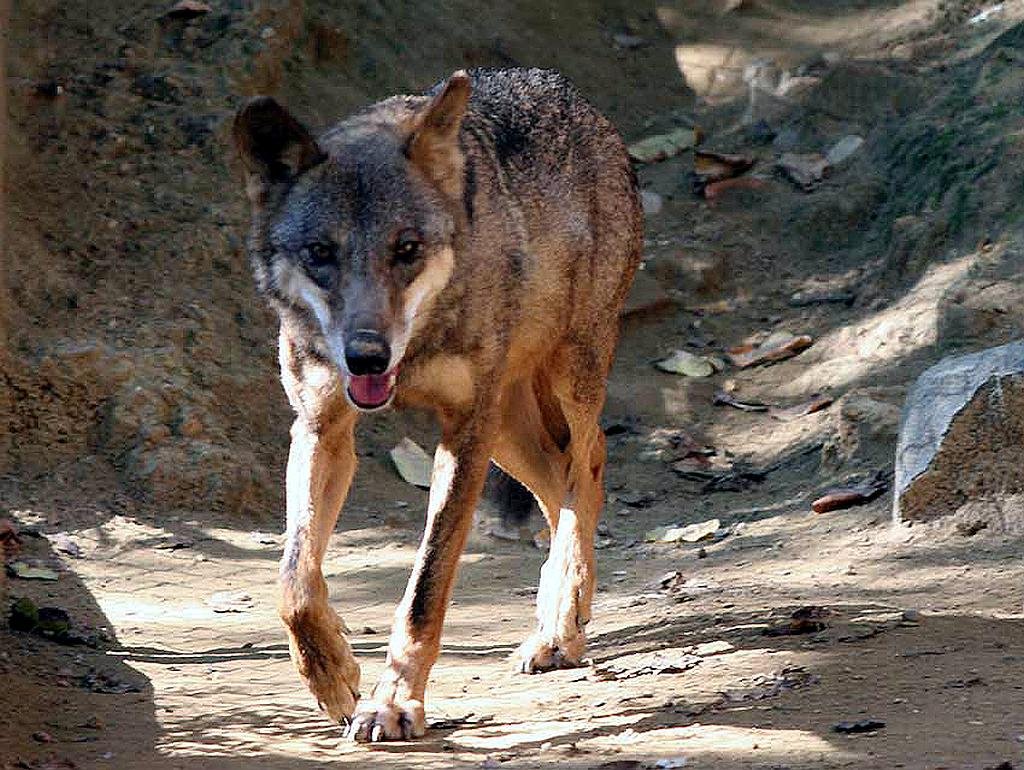
The best place to see wolves in Spain is in the rolling hills of the Sierra de la Culebra.

In the midst of discussions about the protection of wolves in Spain, the country’s acting head of agriculture, fisheries, and food, Luis Planas, has asserted that Spain already possesses mechanisms to ensure the wolf’s protection. This comes in response to the European Commission’s consideration of potentially reducing the level of protection for this species. So, what are Spain’s wolf protection measures and the European Commission’s perspective?

Spain’s Comprehensive Wolf Management Plan

During a press conference held after the informal Council of European Agriculture Ministers in Córdoba, Planas emphasized Spain’s comprehensive wolf management plan. Within this framework, the nation has established flexible mechanisms and legal instruments.

Read more