
- Region: Andalucia
- Province: Cadiz
- Declared a Natural Park: 2003
- Park surface area: 18.887 hectares (9,640 terrestrial and 9,247 marine)
- Towns and Villages: Algeciras, Tarifa
Points of interest
El Estrecho (The Strait of Gibraltar) natural park covers the southern most tip of Spain, containing within it environs a richness of history, vegetation and especially bird and marine life.
The coast of Morocco is just 14km away and this offers the shortest span for birds migrating from Europe to the African continent. Birds funnel into this area throughout the year with spring and autumn offering the most amazing sights. More than a million birds of over 200 species congregate in the area each year, this natural phenomenon is observed by many keen birdwatchers and researchers.
El Estrecho is also where the Mediterranean sea connects with the Atlantic ocean, the latter has a lower salinity and the meeting point creates a unique zone of high diversity. Research on the marine environment has found more than 1900 species of plant and animal life with some being new discoveries.
The park protects oak woods inland, coastal pine groves, cliff habitats, beaches and the coastal waters.
Due to the exposed site, strong winds are a common occurrence, making this (especially Tarifa) a popular area with windsurfers.
Excursions and activities from Gibraltar
Find a hotel in the area of El Estrecho Natural park (Strait of Gibraltar)
If you are visiting the El Estrecho area, Tarifa is an excellent base with a wide range of accommodation to choose from. The town is also well known for its boat excursions, from dolphin and whale watching trips in the Strait of Gibraltar to scenic coastal tours. Staying here gives you easy access to both marine adventures and the cultural charm of southern Spain. Check out the variety of places to stay over at Booking.com.
Activities and Trips from Tarifa
Get Your Guide has a great amount of day trips and excursions in the El Estrecho area, from dolphin and whale watching in the Strait of Gibraltar to guided walks through coastal landscapes and birdwatching at migration hotspots. Cultural options are also available, including visits to Tarifa’s historic old town and nearby archaeological sites. With so much choice, it’s a convenient way to experience the best of the Strait.
Some fantastic drone footage of the El Estrecho (The Strait of Gibraltar) natural park
Flora
Note worthy plants in the park are Green-flowered narcissus (Narcissus viridiflorus), Portuguese sundew (Drosophyllum lusitanicum), Genista triacanthos and Chamaespartium tridentatum.
Inland on high ground are natural Cork oak woods with Kermes oaks, Lentisc, Dwarf fan palms and Wild olive trees. There are also some planted areas of Pine and Eucalyptus. Stone pine woods form on the coastal cliff tops with an under story of Prickly and Phoenician juniper (Juniperus oxycedrus and J. phoenicea). Under the pines of Punta Palomas are low growing Annual Valerian (Centranthus calcitrapae) and Scarlet pimpernel (Anagallis arvensis).
More open scrub land away from the coast consists of Mastic tree, Rockroses, Portuguese Crowberry (Corema album) and Osyris (Osyris quadripartita).
Growing on (therefore preserving the sand dunes) are Sand couch (Elymus farctus) Southern bird’s foot trefoil (Lotus creticus), Marram grass (Ammophyla arenaria) and Sea spurge (Euphorbia paralias).
Cliff faces that hold vegetation contain Rock samphire (Crithmum maritimum), Marigold (Calendula suffruticosa) and Yellow sea-aster (Asteriscus maritimus).
Marine Flora
In the shallower coastal strip of sand are coverings of Cymodoceion nodosae, whereas deeper water, from 22m, holds kelp beds (Laminaria ochroleuca) these plants that can grow to around 3m in length.
In clear waters there are many forms of sea weed with the most outstanding being Cystoseira.
Terrestrial Fauna
Among the reptiles and amphibians are Ocellated Lizard (Lacerta lepida/Timon lepidus), Large Psammodromus (Psammodromus algirus), Iberian Tree Frog (Hyla meridionalis), Chameleon (Chamaeleo chamaeleon) and Stripe-necked terrapin (Mauremys leprosa).
Mammals include Fox (Vulpes vulpes), Otter (Lutra lutra) and Egyptian mongoose (Herpestes ichneumon).
Raptors that stay through the year include Griffon vulture (Gyps fulvus) Spanish Imperial eagle (Aquila adalberti) and Bonelli’s eagle (Hieraetus fasciatus).
Booted eagle (Hieraetus pennatus), Black kite (Milvus migrans) and Short-toed eagle (Circaetus gallicus) arrive in spring to breed during the summer months.
White storks (Ciconia ciconia) give an amazing display when they collect in spiraling thermals by their thousands.
Along the shores can be seen Audouin’s, Mediterranean, Slender-billed, Lesser black-backed and Yellow-legged Gull. Grey, Ringed, Little ringed and Kentish Plover may be viewed on the beaches.
Marine fauna
The marine zone of the park aims to protect various species, some of which are rare and endemic to the Mediterranean sea. Jellyfish including Merona ibera, Cervera atlantica and Scleranthelia microsclera and Sponges (Axinella estacioi) Elephant ear (Spongia agaricina).
Also molluscs and crustaceans such as the giant Mediterranean limpet (Patella ferruginea), which is one of the most threatened marine species in the Mediterranean Sea, Mediterranean fan mussel (Pinna nobilis) and Date mussel (Lithophaga lithophaga).
In rocky areas Mediterranean red coral (Corallium rubrum) grows, it is a protected species, orange coral (Astroides calycularis) can be found growing on rock walls and on the many shipwrecks in the area. Enclaves of Phymatolithon calcareum and Lithothamnion corallioides form in areas protected from strong currents at around 20m deep.
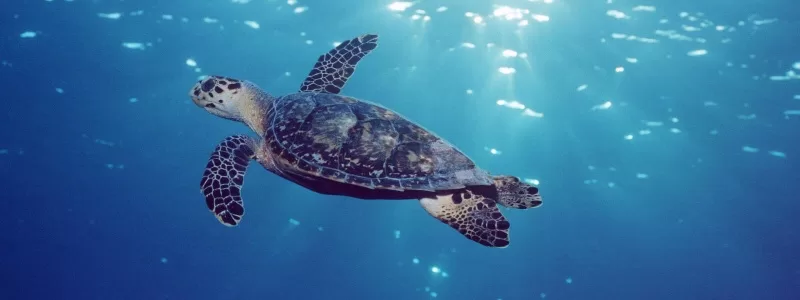
Turtles recorded in the area include the Leather back (Dermochelis coriacea), the critically endangered Hawksbill Turtle (Eretmochelys imbricata) and the vulnerable Loggerhead (Caretta caretta). Read more about marine turtles here.
Resident species of Dolphins are Common (Delphinus delphis), Bottlenose (Tursiops truncatus) and Striped Dolphins (Stenella coeruleoalba), the latter is in danger of extinction.
Also resident are several groups of Long-finned pilot whales plus there are regular sightings of Fin Whale (Balaenoptera physalus). Other species such as Sperm Whale (Physeter macrocephalus) and Orca (Orcinus orca) regularly occur in the area. Minke (Balaenoptera acuturostrata) and Humpback whales (Megaptera novaeangliae) are more rare visitors but have been seen in the past.
Fish of special interest include Golden grouper (Epinephelus alexandrinus), the beautifully coloured Mediterranean rainbow wrasse (Coris julis), Scorpion fish (Scorpaena porcus), Senegalese and Common sole (Solea senegalensis and Solea vulgaris), Thornback and Undulate ray (Raja clavata and Raja undulata), the Angler fish (Lophius piscatorius), White bream (Diplodus sargus), Gilthead seabream (Sparus auratus) and the huge Ocean Sunfish (Mola mola).
Also in the area
- The Roman Ruins of Baelo Claudia are situated in the west of the park. The town developed about 2000 years BC centered on a fish salting and fish paste “Garum” industry. By the sixth century AD it was abandoned. The ruins feature a forum, temple, an amphitheatre and the large fish salting pits. (Website here)
- Tarifa, a small fishing town, was the first point of the Moorish invasion of Southern Spain in 711 AD. The castellated walls were built over different eras, largely the ancient Tarifa medina and the 18th century. The 8th Century Jerez Gate has recently been restored and the Arab Castle of Guzman El Bueno, built in 960 AD, is open to visitors.
- To the west of Tarifa is the “Necropolis de los Algarbes” which is an important Bronze Age site covering an area of 2 hectares. (Found alongside Camping Paloma). Also at the same site is the ‘Cueva del Moro’ which is the most important cave in Tarifa. The Palaeolithic carvings of this cave, discovered in 1995, originate from the Solutrean civilisation more than 18,000 years ago. Large figures, mostly equine, are carved into the rock. These findings are Europe’s most southern Palaeolithic art. Within the local mountain ranges there are over 49 caves and shelters with prehistoric art belonging to the Superior Palaeolithic ages and later.
On the site “Silla del Papa” are foundations of a great building, made with stone blocks that could be Visigoth place of worship. (Sadly, telecommunication towers have been erected within this site).
Information/Visitors Centers
- Both Algeciras and Tarifa have municipal tourist offices.
Huerta Grande near Algeciras on the road to Tarifa at Km 96
An old military residential complex has been converted into what is now the most important visitor centres on the Cadiz coast. The centre offers a fascinating insight into the diversity and landscapes of the Campo de Gibraltar area: seabeds teeming with life, beaches and cliffs in constant transformation.
Huerta Grande also offers a wide range of activities including observation points with spectacular views of the Strait and of migrating birds, and conveniently located trails along which visitors can enjoy all the scenic and botanical richness of the area.
Looking for information about the natural and national parks in Andalucia? https://wildsideholidays.co.uk/natural-and-national-parks-in-andalucia/
FAQs about Visiting El Estrecho Natural Park (Strait of Gibraltar)
The Strait of Gibraltar is the narrowest crossing between Europe and Africa, only 14 km wide. This makes it a vital funnel for over 200 bird species, including raptors and storks, during spring and autumn migrations. Birdwatchers from across the world gather here to witness flocks spiralling overhead. More details are covered in the full guide.
The meeting of the Atlantic and Mediterranean creates rich marine biodiversity. Visitors may spot dolphins, pilot whales, and even orcas. The area also shelters rare species such as the giant Mediterranean limpet, red coral, and critically endangered sea turtles. Boat tours from Tarifa offer the best chance of encounters.
Yes, Tarifa is one of Spain’s best bases for marine excursions. Local operators run trips to see resident dolphins, pilot whales, and migrating fin whales. With luck, you might even encounter orcas hunting near the fishing boats. The article lists options for booking these popular activities.
Strong winds make Tarifa a hotspot for windsurfing and kitesurfing. Inland, visitors can hike through cork oak woodlands, explore archaeological ruins, or watch bird migration from viewpoints. Scenic boat tours add another layer to the experience. The variety means you can mix sport, nature, and culture in a single trip.
Yes, the park is steeped in history. Highlights include the Roman ruins of Baelo Claudia, the Arab Castle of Guzmán El Bueno in Tarifa, and prehistoric cave carvings at Cueva del Moro. These sites show the park’s significance from ancient to medieval times, and all are accessible to visitors.
Tarifa is the most popular base, offering a wide choice of accommodation plus easy access to boat tours and historic landmarks. Staying here means you’re well placed for both marine adventures and cultural exploration. Hotels and guesthouses range from budget to boutique, with options linked in the main article.

I’ve been living in this lovely area of Western Andalucia for the last 20 years or so and dedicate most of my time to the running of English language tourist information websites for the towns of Cádiz, Ronda, Grazalema, the famous or infamous Caminito del Rey, and also Wildside Holidays, which promotes sustainable and eco-friendly businesses running wildlife and walking holidays in Spain. My articles contain affiliate links that will help you reserve a hotel, bus, train or activity in the area. You don’t pay more, but by using them you do support this website. Thankyou!