- Spanish: Lobo
- Catalan: Llop
The Iberian wolf, Canis Lupus, has suffered much persecution over the centuries. Already being eradicated from many countries and, despite a bounty on every head of a wolf during the 1950’s and 60’s. Some small populations of these mammals survived and now receive a partial protection especially when they reside in protected (natural and national park) areas of Spain. (A hunting ban came into force in 2021)
Recent Legislative Changes: Reversal of the 2021 Hunting Ban
In March 2025, the Spanish parliament passed a law targeting “food production waste”, which included an amendment to lift the 2021 ban on wolf hunting north of the Duero River. This decision allows controlled hunting to resume in regions like Asturias, Cantabria, Galicia, and northern Castilla y León, where most of Spain’s Iberian wolves reside. The amendment was supported by parties such as the People’s Party (PP), Vox, Junts, and the Basque Nationalist Party (PNV). Read more here.
Read about the 2021 hunting ban of the Iberian wolf over at the Iberia Nature Forum: https://iberianatureforum.com/forums/topic/iberian-wolf-hunting-ban/ Feel free to join in with the topics there! 🙂
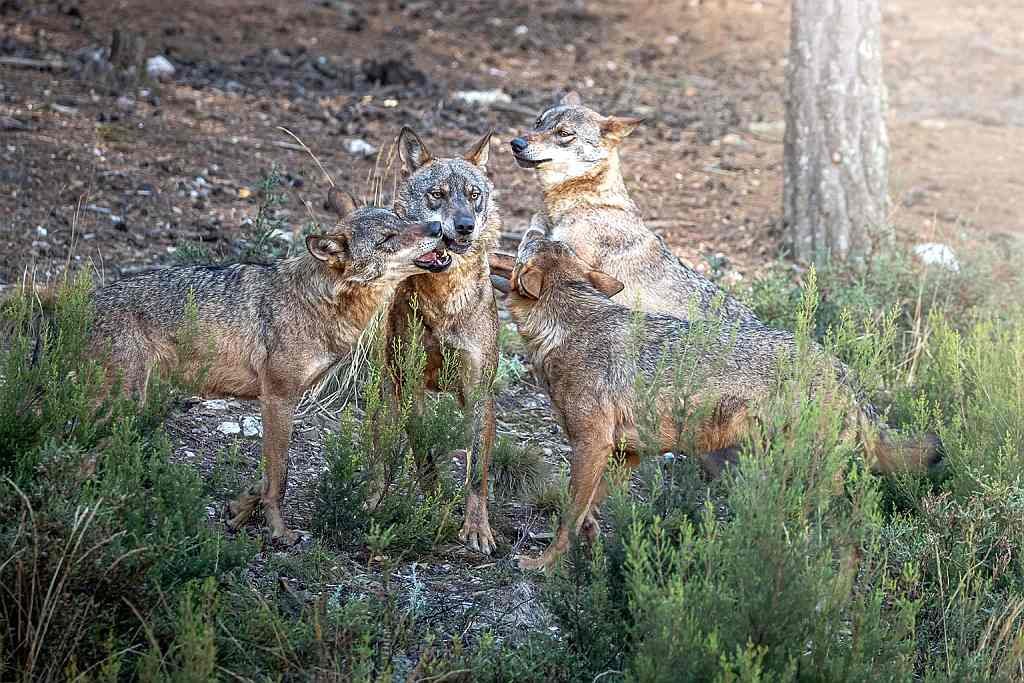
Iberian wolf populations are mainly in scattered packs in the forests and plains of north-western Spain whilst the north of Portugal also holds small numbers.
The Junta de Andalucia declared the wolf extinct in Andalucia (the Sierra Morena) in 2023. Read more here.
A few details about the Iberian wolf
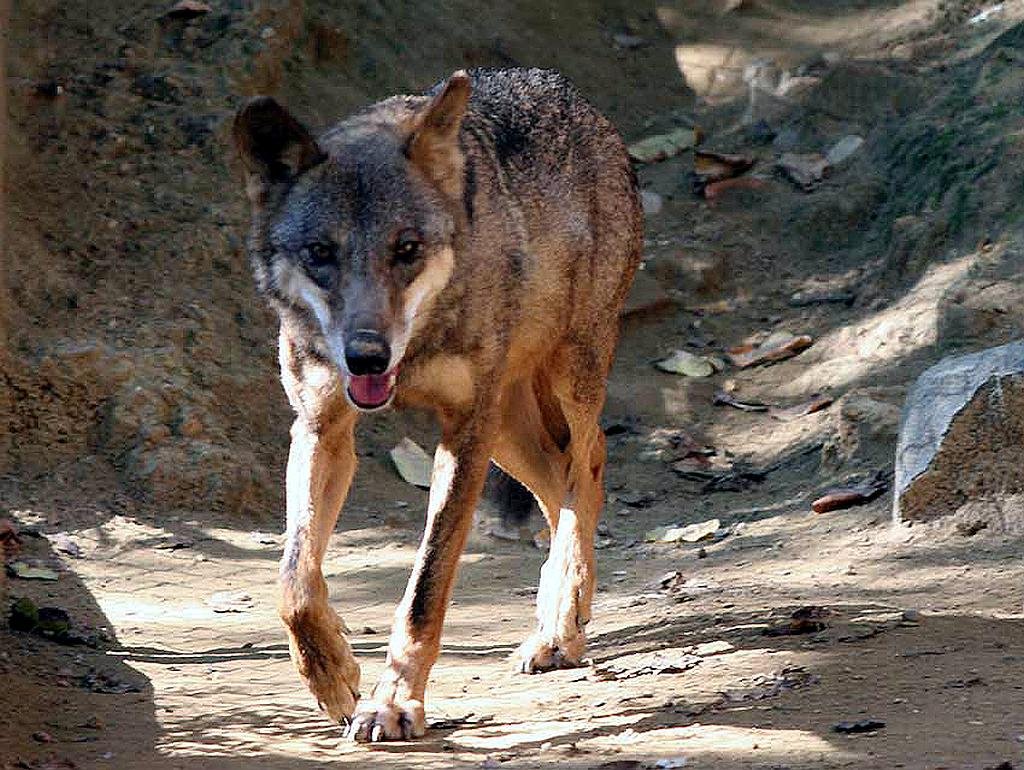
The Iberian wolf can reach a height of around 70cm and length of 120cm. The animal is different in colour from the Eurasian wolf by having dark markings on its forelegs, back and tail with white markings on its upper lips. This is the reason for the last part of the scientific name, with signatus meaning “marked”. Males weigh around 40kg with females being of a finer / slimmer build.
Read more