
Spain, a country renowned for its vibrant coastal regions and captivating cities that often overshadow a treasure nestled within its heartland. While the majority of tourists flock to the sun-kissed beaches and bustling metropolises, a vast and sparsely populated interior awaits exploration. So, lets take a journey through the Serranía Celtibérica!
A Journey Through the Serranía Celtibérica
One such region, a treasure waiting to be unearthed, is the “Serranía Celtibérica.” This expansive region encompasses the eastern limits of the Sistema Central (Central Mountain Range) and the entirety of the Sistema Ibérico (Iberian Mountains), covering much of the interior of north-eastern and eastern Spain.
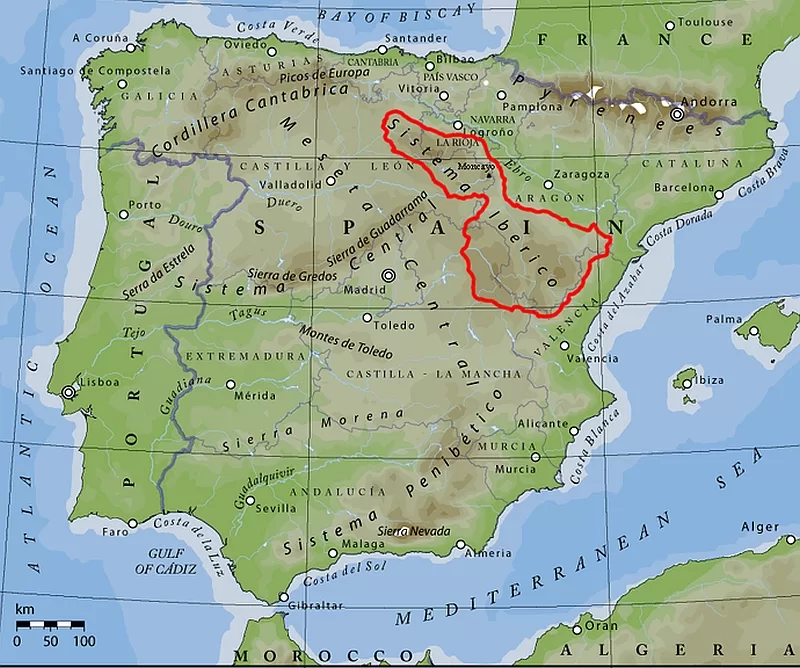
Listen to the podcast about Spain’s Underrated Interior: A Journey Through the Serranía Celtibérica
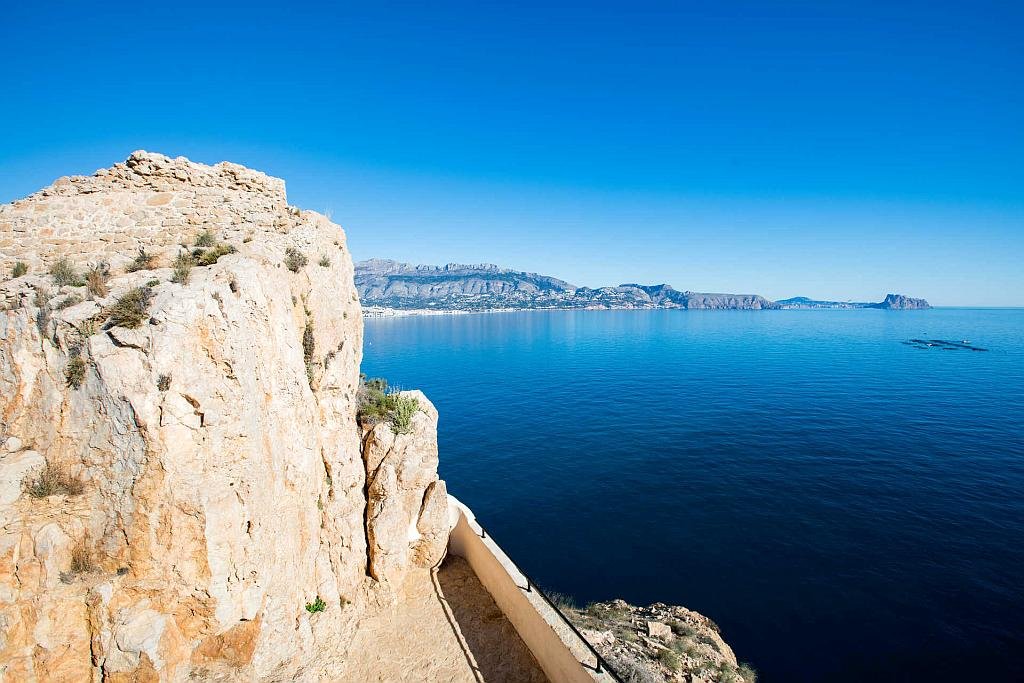
Geographically, the Serranía Celtibérica encompasses the land between Madrid and the final mountain ranges before the Mediterranean, stretching from west to east. It also includes the territory between the Ebro Valley and the northern limits of La Mancha, extending from north to south. This encompasses parts, or even entire provinces, within five Autonomous Communities: Castile and León, La Rioja, Aragón, Castile-La Mancha, and the Valencian Community.
The landscape of the Serranía Celtibérica may not appeal to everyone. You won’t find pristine beaches or towering alpine peaks. Instead, you’ll encounter an extremely rugged, mid-mountainous terrain, with elevations ranging from 1000 to 1900 metres above sea level. This is a vast highland sculpted by the relentless forces of rock, wind, water, and extreme seasonal temperatures. The region exudes a mystical, sometimes even bleak atmosphere that, for me, possesses an undeniable magic.

The Serranía Celtibérica is a wild and untamed region, a haven for those seeking solitude and a connection with nature. Its forests, canyons, rivers, moorlands, lagoons, and badlands create a sense of awe and wonder. The dark and colourful ancient forests of Urbión, Alto Tajo, Montes Universales, Cebollera, and Tejera Negra hold a particular allure.

The sheer power of water, carving its path through the rock in El Cañón del Río Lobos, the Río Piedra, the Río Martín, the Río Pitarque, Caracena, Calomarde, and Hoz Seca, is a constant source of awe. The wind, too, leaves its mark, sculpting the clay into dramatic formations in the Sierra de Armantes, the Cañón Rojo de Teruel, and the Cárcavas de Fresno.
The Iberian Highlands Rewilding Project
Described by Rewilding Europe as “A rugged mountain chain of high plateaus that carves its way through the Iberian Peninsula of Spain, home to pine, oak and juniper forests that mingle alongside steppe and dramatic river canyons“. The Iberian Highlands rewilding project encompasses over 850,000 hectares that lie inside existing protected areas. (Alto Tajo natural park, the Serranía de Cuenca natural park and the Montes Universales mountain range)

Read more about the Iberian Highlands project here.

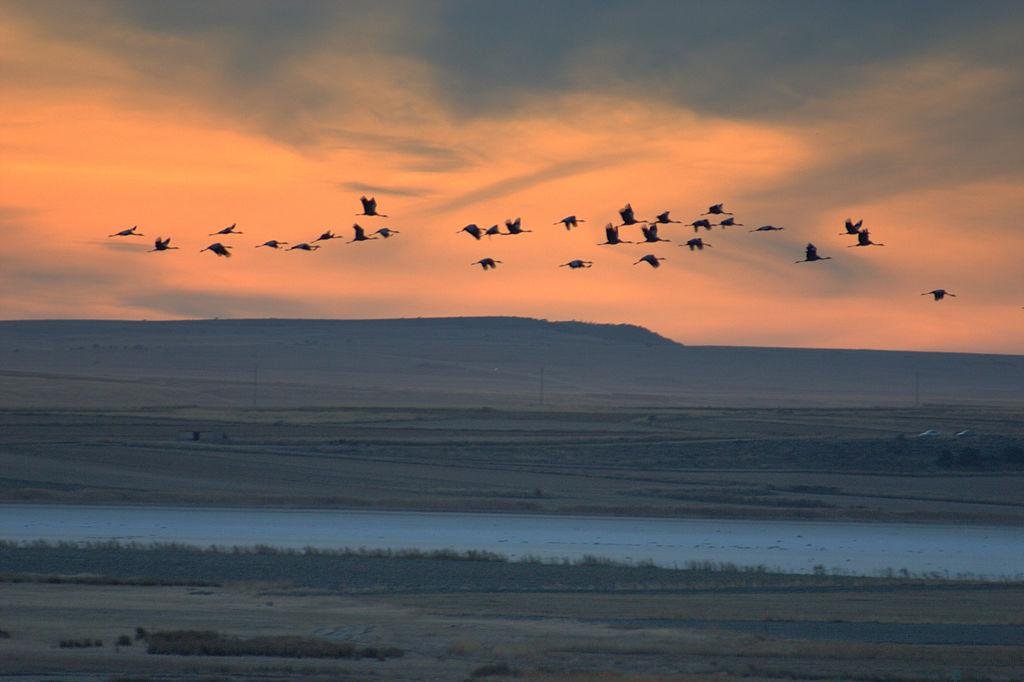
The unique geological features of this region have led UNESCO to designate two areas as Geoparks: Maestrazgo and Alto Tajo.
Just click the links to find out more about these amazing natural parks.


Star Gazing in the Serranía Celtibérica
With minimal light pollution, the Serranía Celtibérica boasts some of the clearest skies on Earth, making it an ideal destination for stargazing.
Read more about stargazing and the Starlight Foundation here.


The Iconic City of Numancia, Romans, Visgoths and Mudejar Architecture
This region is also home to a wealth of historical and cultural treasures. The monasteries of San Millán de Suso and Yuso, located within the region, played a crucial role in the development of the Spanish language.
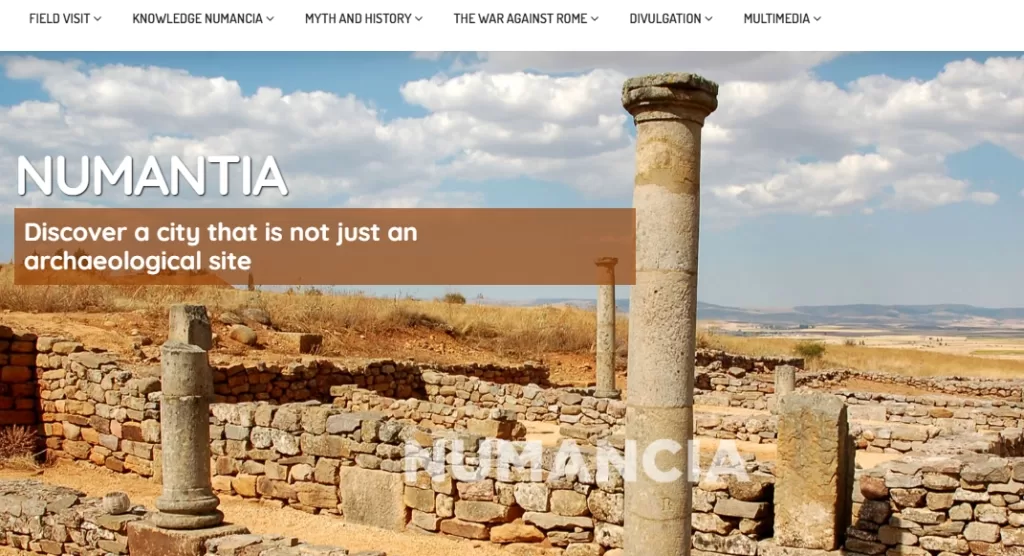
The region bears witness to the legacy of Celtic-Iberian civilizations, including the iconic city of Numancia, which fiercely resisted Roman rule.
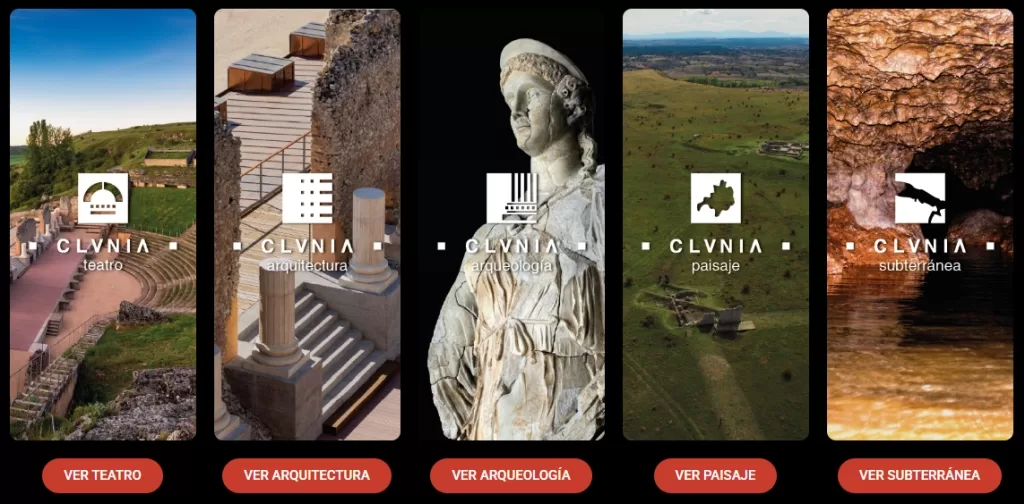
Discover well-preserved Roman ruins in cities like Clunia Sulpicia, a significant Roman city that witnessed the brutal conflict between Pompey and Sertorius during the First Roman Civil War.
- Explore the vast Visigoth necropolis of Castiltierra, a poignant reminder of the Visigoth presence in the region. The necropolis of Castiltierra, with its estimated 8,000 tombs, is the largest Visigoth Necropolis in Spain. Sadly, many of the artifacts unearthed here were plundered by the Nazis during World War II.
- Admire the exquisite Mudejar architecture, a unique blend of Islamic and Christian styles, found in cities like Teruel. The Mudejar art of Aragon is renowned for its exceptional beauty and has been recognized by UNESCO as a World Heritage Site.
This Region is Also Home to Charming Villages, Each With its Own Unique Character and History
- Viniegra de Abajo and Viniegra de Arriba, nestled in picturesque landscapes.
- Covarrubias, a charming village with a rich history and stunning architecture.
- Calatañazor, a charming village with a medieval atmosphere.
- Medinaceli, a historic town boasting a remarkably well-preserved Roman arch.
- Vinuesa, a charming village with a rich cultural heritage.
- Atienza, a medieval town with a fascinating history.
- Anento, a small village with a unique charm.
- Mirambel, a picturesque village with a well-preserved medieval centre.
- Calaceite, a charming village known for its traditional architecture and its proximity to the Maestrazgo Geopark.
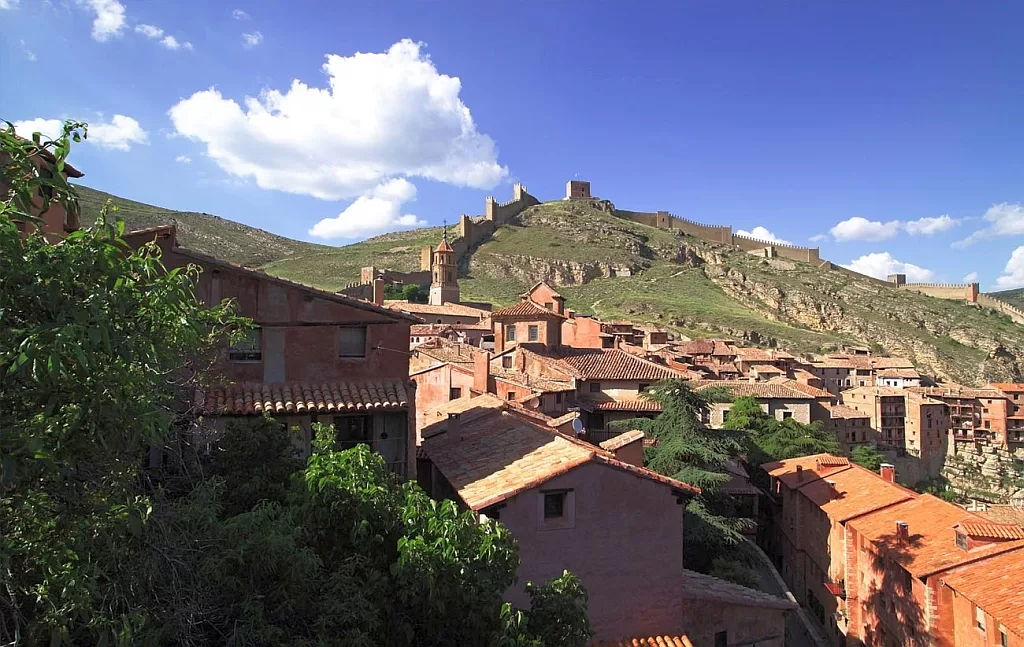
- Albarracín, a UNESCO World Heritage Site, with its stunning red-hued historic centre perched dramatically on a hilltop.
- Morella, a fortified town with a rich history and impressive medieval walls.
- Culla, a charming village with a picturesque setting.
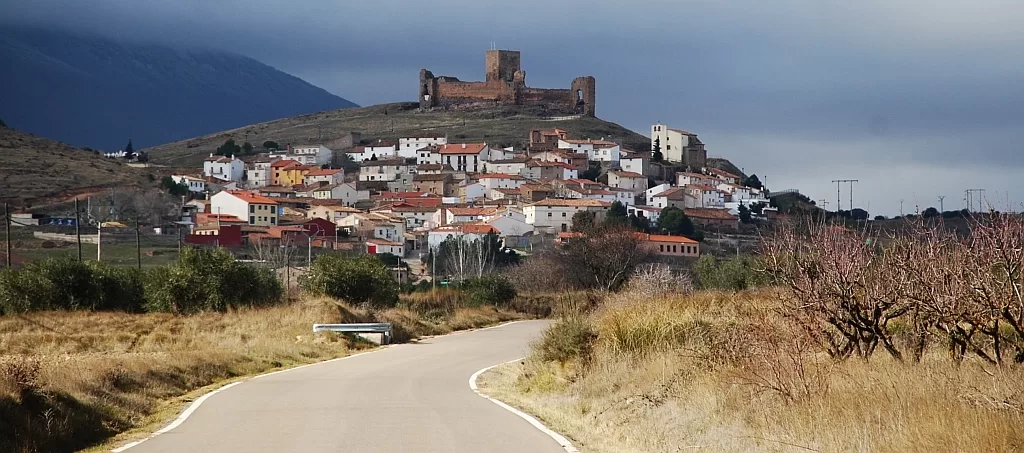
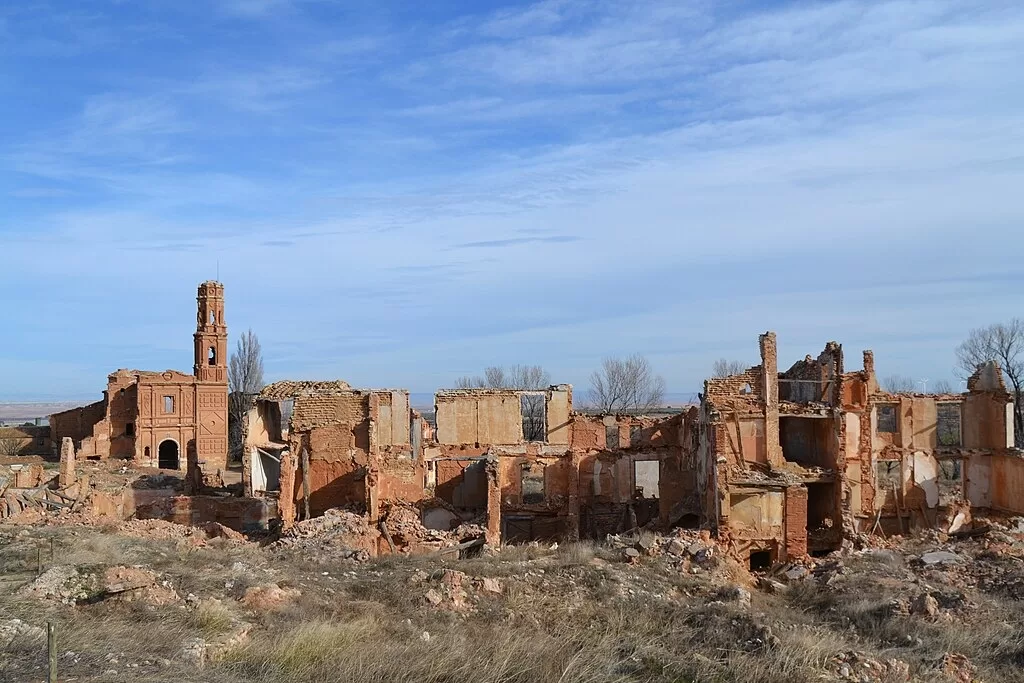
Planning a Road Trip Around the Serranía Celtibérica
Hopefully this article has helped to get you started on planning your road trip!
The Serranía Celtibérica, often referred to as the “España Vaciada” (Empty Spain), offers a wealth of experiences for those willing to venture off the beaten path. It’s a land of breathtaking landscapes, rich history, and cultural treasures waiting to be discovered.
The true essence of inland Spain lies beyond the high speed motorways, those arteries designed for “getting there” fast and efficiently rather than scenic exploration. Driving from Madrid to the coast, one often encounters a seemingly endless expanse of cropland, a monotony that can easily deter travellers. However, venturing off the main roads and onto the network of secondary roads, reveals a different side to Spain. These roads, which once served as the country’s primary transportation network, offer a glimpse into the heart and soul of Spain, where quaint villages, charming towns, and breathtaking landscapes await discovery.
FAQ: Serranía Celtibérica Travel & Spain’s Underrated Interio
The Serranía Celtibérica stands out because it combines raw landscapes, Celtic-Iberian heritage, and a deep sense of solitude rarely found in modern Spain. Travellers encounter rugged highlands, medieval towns, and UNESCO-recognised sites that feel astonishingly untouched. Much more sits beneath the surface, and the wider article explores these layers in richer detail.
This vast inland area stretches between Madrid and the final ranges before the Mediterranean. It also reaches from the Ebro Valley down to the northern edge of La Mancha. The region crosses five Autonomous Communities, which gives it a patchwork of landscapes and traditions. The article maps each section and highlights the provinces in more depth.
It has earned that nickname because of its exceptionally low population density and its freezing winters, where temperatures can drop to around –25°C. The combination of open highlands, empty roads and remote villages creates an atmosphere many compare to Nordic wilderness. Yet the culture and architecture remain distinctly Iberian, as the article explains.
Places like the Cañón del Río Lobos, the Montes Universales, and the colourful forests of Urbión usually top most itineraries. Visitors also rave about the surreal rock formations in the Ciudad Encantada and the dramatic clay landscapes around the Sierra de Armantes. Several other canyons, lagoons and natural parks mentioned in the full guide offer even more variety.
Yes, particularly if you enjoy quiet bird hides, open steppe scenery, or the chance of spotting raptors and rare mammals. The project covers over 850,000 hectares inside major protected areas and is shaping itself into a hub for sustainable wildlife tourism. The article outlines how this initiative could transform eco-travel across eastern Spain.
You’ll find everything from the resistance city of Numancia to the enormous Visigoth necropolis at Castiltierra. Roman theatres, Mudejar towers, and medieval strongholds appear throughout the highlands. Each site adds another layer to the region’s long history, and the article includes a fuller list with context for planning a route.

I’ve been living in this lovely area of Western Andalucia for the last 20 years or so and dedicate most of my time to the running of English language tourist information websites for the towns of Cádiz, Ronda, Grazalema, the famous or infamous Caminito del Rey, and also Wildside Holidays, which promotes sustainable and eco-friendly businesses running wildlife and walking holidays in Spain. My articles contain affiliate links that will help you reserve a hotel, bus, train or activity in the area. You don’t pay more, but by using them you do support this website. Thankyou!