
- Region: Andalucia
- Province: Cádiz
- Declared a Natural Park: 1989
- Park surface area: 10,522 hectares
- Towns and Villages: San Fernando, Chiclana de la Frontera, Puerto Real, Puerto de Santa María and Cádiz
Points of interest
The 5km bay area (Bahía de Cádiz) is a wintering ground and summer breeding area to 200 different aquatic bird species. This Atlantic tidal area consists of sandy beaches, river estuary, marshlands, salt pans, dunes and rocky inlets. Extensive pine groves once covered a large part of this area.
The tidal marsh of Sancti Petri, which is situated in Chiclana de la Frontera, to the south of the Bay of Cádiz and which forms a part of this natural park, is an area of high scenic value, given that is one of the few marshes that has not been altered by its use as a salt mine. In addition, the condition of the island and the existence of a large stone pine forest (Pinar del Coto de la Isleta) at higher grounds clearly contributes to an image of what the natural landscape of the Bay of Cádiz must have been like many years ago.
Find a hotel in the area of Bahía de Cádiz
Accommodation in the seaside town of Puerto de Santa Maria ranges from modern hotels and self-catering apartments to charming guesthouses and holiday homes. Many hotels offer amenities like eateries and cafés, central courtyards and comfortable, well-designed rooms. Apartments and holiday homes give more space and independence, which appeals to families or extended stays. Guesthouses and B&B-style places offer a cozier, more personal vibe. Moreover, the town’s mix of beach-front areas and historic streets means you can choose between a seaside location or something in the heart of town.
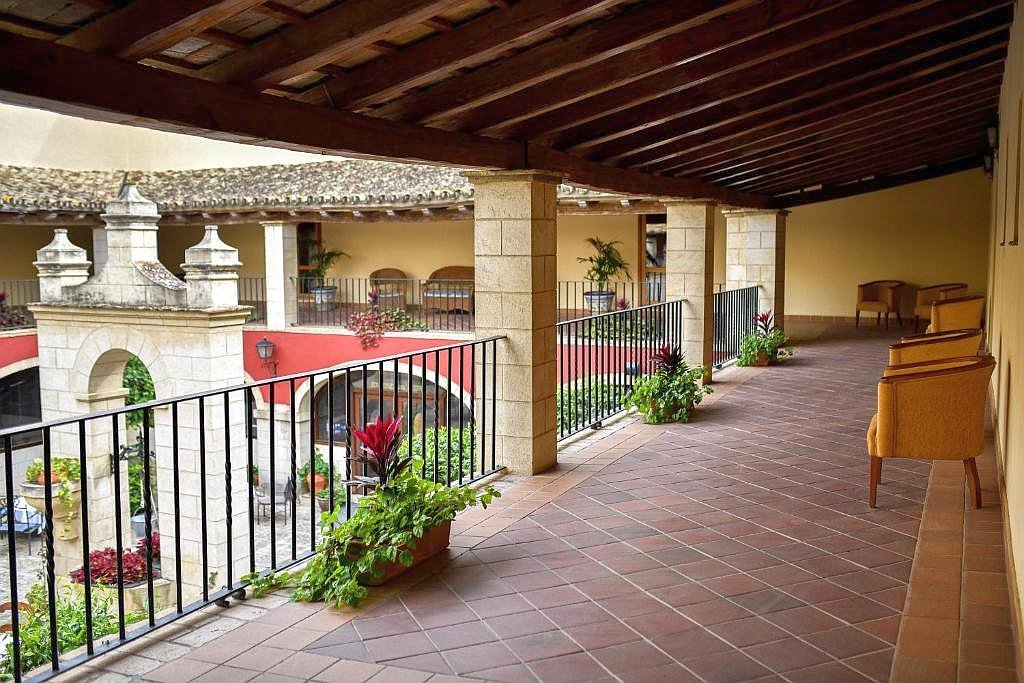
During my stay I chose the ALEGRIA Bodega Real — a converted winery with a beautiful Andalusian central courtyard. It also features a modern Mediterranean-style restaurant and a café, and it’s conveniently close to a street renowned for its seafood restaurants (the “Ribera del Marisco”).
Flora
Flora in the Bahía de Cádiz is made up of plants that have adapted to living in sand with saline atmospheres and tidal flow. Cord grass, glasswort or maritime purslane, among others, have an important presence, whilst in the transition of the marshland into dry land there are grasses such as rostraria and barren brome.
On the intertidal plains, rich in nutrients, there are submerged meadows of gracilaria and algae, such as ulva linza and the sea lettuce. These seafloors, rich in food, half way between The Strait and the Doñana marshes, play an important role in the migratory movements of birds, enabling many birds to winter on the coast
In the area and endemic to Andalucia are Armeria gaditana, Taraxacum gaditanum and Hymenostemma pseudoanthemis, the latter two are recorded as vulnerable on the list of endangered plants.
Enclaves of Stone pine, (Pinus pinea) including a woodland of 6 hectares at Sancti Petri. Edible pine nuts are collected from this species. These forests are a sanctuary for birds such as blackbirds, robins, owls and kestrels, as well as for chameleons, amphibians and mammals like the European hedgehog and the dormouse.
Fauna
There are a great amount of aquatic birds like grebes, cormorants, gulls and gannets. White stork, herons and avocets nest here. Flamingo and osprey can also be observed. Invertebrates such as shrimps, crabs, clams, cockles along with the fish sole, sea bream, grey mullet and sea bass are abundant. It is an important breeding ground for many commercial species of fish and crustaceans.
Bahia de Cádiz guided tours of the “salinas” or commercial salt pans
Highly recommended are the guided tours of the salt pans in the Bay of Cádiz. Ask at the tourist office or your hotel for details.
Also in the area
Phoenician and Roman remains. Numerous galleons sunk off the coasts.
The site is surrounded by urban centres of around 400,000 inhabitants and the Cádiz port. This of course creates urban, tourism and leisure environmental pressures on the protected area.
Tours and activities in the area
Information/Visitors Centers
Parque Natural Bahía de Cádiz visitor centre. (Calle Buen Pastor, carretera de Campo Soto (opposite camposoto beach))
The Visitor Centre of the Bay of Cadiz Nature Reserve is in San Fernando (Cádiz). The recently built facilities, a model with regards to sustainability, are located at the Salina of La Leocadia, opposite the camposoto beach. The ideal place for a visit to this Nature Reserve, as its facilities offer you diverse information on the area and the activities possible there.
FAQs About Visiting Bahía de Cádiz Natural Park in Southern Spain
Bahía de Cádiz Natural Park lies on the Atlantic coast of Andalucia, in the province of Cádiz. It stretches across five towns — San Fernando, Chiclana de la Frontera, Puerto Real, Puerto de Santa María, and Cádiz city itself. The park’s tidal marshes, dunes, and beaches sit right next to lively urban centres, creating a fascinating contrast between nature and civilisation.
This 10,522-hectare park combines marshlands, salt pans, estuaries, and pine groves in one landscape. It’s a key breeding and wintering ground for over 200 aquatic bird species, from flamingos to ospreys. Few other places in southern Spain offer such a rich mix of wildlife and cultural history within reach of city life — that’s part of its unique charm.
Visitors can join guided tours of the traditional salinas (salt pans), walk the tidal marshes of Sancti Petri, or birdwatch along the lagoons. The park’s visitor centre in San Fernando also offers exhibitions, eco-routes, and information on local activities. More walking routes, viewpoints, and cultural sites are covered in the full article.
Plant life here has adapted to salty winds and tidal flow. You’ll find cord grass, glasswort, and maritime purslane, as well as algae and sea lettuce in the intertidal zones. Stone pine groves provide shade for birds and mammals, while rare endemic species like Armeria gaditana and Taraxacum gaditanum are protected in parts of the park.
The park teems with aquatic birds such as grebes, herons, and flamingos. Migratory species stop here en route between Africa and Europe. Beneath the water, shrimps, crabs, and sea bass thrive in the nutrient-rich estuaries. It’s also a breeding ground for many commercial fish species — vital to the region’s fishing heritage.
Puerto de Santa María offers great accommodation, from beachside hotels to boutique guesthouses. The ALEGRIA Bodega Real — a beautifully converted winery — provides a charming stay near the seafood district Ribera del Marisco. More lodging options and travel tips for each nearby town can be found in the full guide.

Clive Muir – Wildside Holidays – Walking, wildlife and culture holidays in Spain
I’ve been living in western Andalucía for more than 20 years and spend much of my time researching and running English-language travel websites about Spain. My work covers destinations including Cádiz, Ronda, Grazalema and the Caminito del Rey, as well as Wildside Holidays, which focuses on walking, wildlife and nature travel in Spain.
Through Wildside Holidays, I share practical information about Spain’s natural parks, mountains, wildlife and walking destinations, drawing on many years of living and travelling in the country. The aim is to help visitors discover Spain’s natural landscapes responsibly and plan rewarding walking and wildlife experiences.
1 thought on “Bahía de Cádiz”
Comments are closed.