Conservation Project Aims to Restore Odiel Marshes

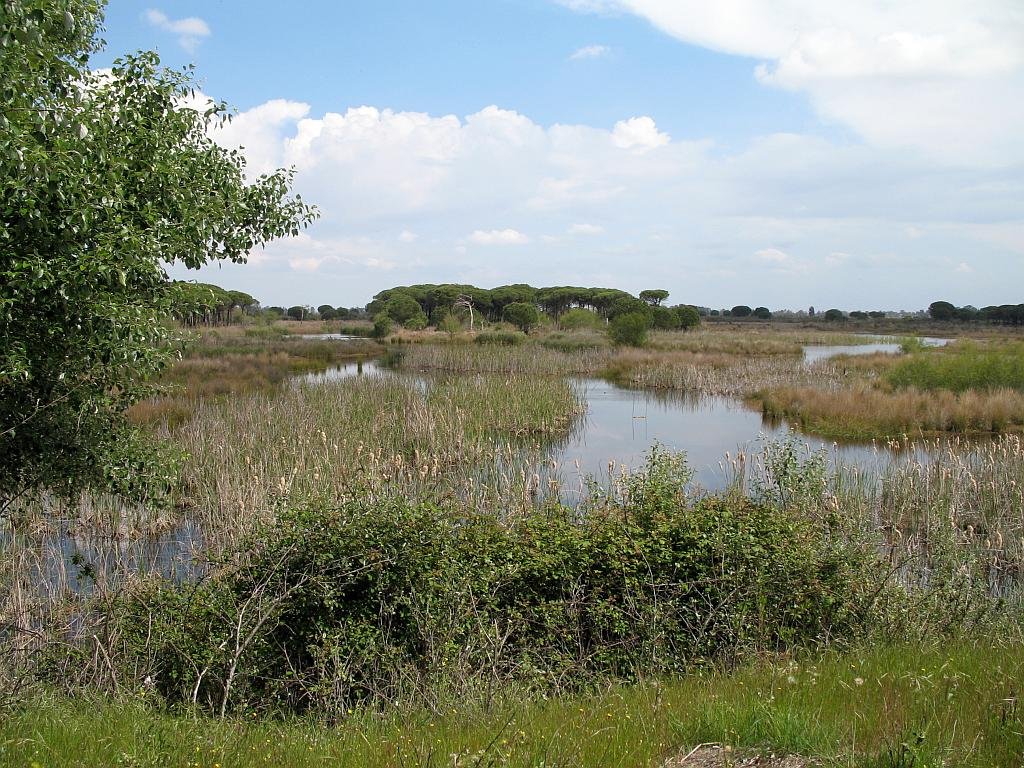
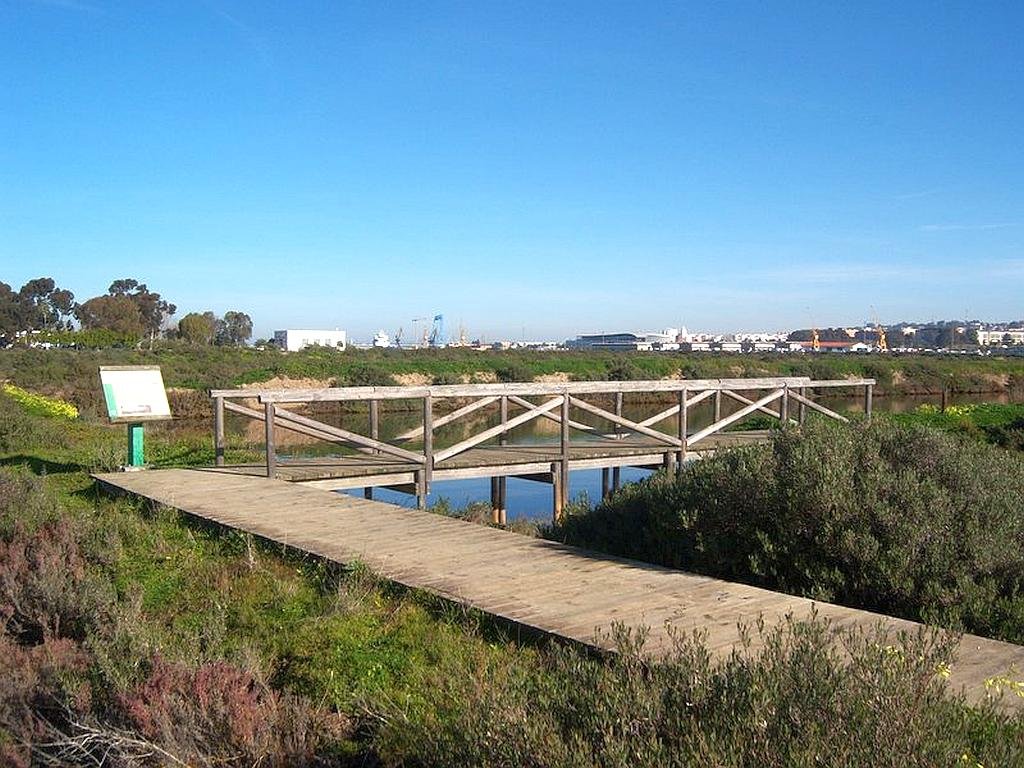
A relatively small protected area situated at the mouth of the river Odiel, between the towns of Huelva, Gibraleón, Aljaraque and Punta Umbría, the Marismas de Odiel Biosphere Reserve is an important wetland for both resident and migratory birdlife.

The Odiel Marshes in Huelva, Andalucia. A UNESCO Biosphere Reserve and one of Andalusia’s most ecologically valuable areas, is undergoing a significant environmental restoration. A new conservation and prevention project, backed by the Andalusian Ministry of Sustainability and Environment, has been launched to tackle pollution and habitat degradation. The initiative, with a budget of over €728,000, is part of the EU-funded NextGenerationEU Recovery, Transformation, and Resilience Plan.

Read more

Why Spain’s Iberian Lynx Rewilding Success Is Now Under Threat

To date, 238 specimens of Iberian lynx have been born in the breeding centres of El Acebuche and Zarza de Granadilla with 150 released in different areas of the Iberian Peninsula.
Introduction: The Iberian Lynx Recovery at Risk

The Iberian lynx (Lynx pardinus) was once the world’s most endangered wild cat, reduced to fewer than 100 individuals in the early 2000s. Thanks to over two decades of conservation work, including habitat restoration and captive breeding, the population has grown to more than 2,000 across Spain and Portugal.

Listen to the podcast about “Why Spain’s Iberian Lynx Rewilding Success Is Now Under Threat”

However, this remarkable recovery is now under threat. Farmers and hunting groups are pressuring regional governments to block further lynx reintroductions, risking decades of progress.

Why Are Farmers and Hunters Opposing the Iberian Lynx?

Read more

Lost Heritage: Cochineal and the Endangered Prickly Pear in Spain

Lost Heritage: Cochineal and the Endangered Prickly Pear in Spain

In recent years, the uncontrolled spread of the Cochineal, Dactylopius coccus (Cochinilla del Carmin) has led to the near disappearance of the prickly pear (higo chumbo) in Spain. So lets explore our lost heritage: cochineal and the endangered prickly pear in Spain

Historical Significance

The introduced prickly pear (Opuntia maxima), originating from Central America, has played a vital role for centuries. It served various purposes, including being a source of food (prickly pears, higo chumbos), livestock feed, agricultural support, slope stabilization, and hedges.

Read more

Three Iberian Lynx Killed in October on Andalusian Roads

Iberian lynx Mammals of Spain - Reintroducion of Iberian lynx. Wildlife, natural parks and culture in Spain

Three Iberian lynx have been killed on Andalusian roads in just five days (at the end of September and the first week of October.) These incidents have once again highlighted the ongoing threat posed by vehicles, as wildlife campaigners demand more be done to protect the species. Animal rights groups call for urgent action from the Andalusian government to protect these vulnerable cats.

Read more