Conservation Success: Iberian Lynx Numbers Reach Historic High in 2024 census

Conservation Success: Iberian Lynx Numbers Reach Historic High in 2024 census

Some pretty amazing news from Spain and Portugal! A Conservation Success: Iberian Lynx Numbers Reach Historic High in 2024 census.

The total census of Iberian lynx now stands at 2,021 individuals. This includes 1,299 adults or subadults and 722 cubs born last year. After surpassing 1,000 specimens in 2020, the Iberian population has doubled in just three years.

Read about the Iberian Lynx here.

2023 census findings

The Iberian lynx (Lynx pardinus) census in Spain and Portugal for 2023 showed significant growth. The species has exceeded 2,000 specimens, a new record since detailed population monitoring began.

This is highlighted in the report by the Iberian lynx working group, coordinated by the Ministry for the Ecological Transition and the Demographic Challenge (MITECO). The group includes representatives from Spanish autonomous communities and the Institute for the Conservation of Nature and Forests (ICNF) of Portugal.

Distribution of lynxes

The report indicates a total of 2,021 lynxes, with 1,730 in Spain (85.6%) and 291 in Portugal. Four Spanish autonomous communities host stable populations. Andalucía has 755 specimens, 43.6% of the Spanish population. Castilla-La Mancha has 715 lynxes (41.3%). Extremadura has 253 specimens, and the Region of Murcia has seven.

Read more

Aiming for the Return of the Iberian Lynx in Aragón

To date, 238 specimens of Iberian lynx have been born in the breeding centres of El Acebuche and Zarza de Granadilla with 150 released in different areas of the Iberian Peninsula.

The General Directorate of Natural Environment, under the Spanish Department of Environment and Tourism, is embarking on an information and citizen participation initiative for the potential reintroduction of the Iberian lynx in Aragon. This pivotal step seeks to achieve consensus among various stakeholders invested in the restoration of this iconic species to the Aragonese fauna.

Read more

Otter – Lutra lutra -Nutria Europea.

The Otter - Lutra lutra -Nutria Europea (in Spain the European otter)

The Otter – Lutra lutra – Nutria Europea. A carnivorous mammal in the subfamily Lutrinae. They are semiaquatic in Spain with diets based mostly on fish and invertebrates.

Although most European otters tend to prey primarily on fish, some have developed a taste for frogs and toads—a food choice that requires some deft preparation. Because common toads (Bufo bufo) have toxins in both their skin and the glands on either side near the front of their bodies, these resourceful otters use their sharp teeth to remove the skin from the back half of the toads and then eat just the hind legs. While common frogs (Rana rana) don’t have toxic skin or glands, most otters appear to not know the difference, and generally play it safe by following the same food-prep routine they use on toads.

There is a brilliant photo of an otter with a frog on the website link below. https://www.biographic.com/frog-leg-feast/

A slow population recovery.

With the creation of many natural and national parks in Spain, and other environmental awareness campaigns, the otter population seems to have increased, certainly in Andalusia, over the past 20 years. However, this recovery has been relatively slow, and in some areas the impact of human activities still prevents the species, from expanding into new territory.

Read more

The Barbary macaques of Gibraltar

The barbary macaques of Gibraltar

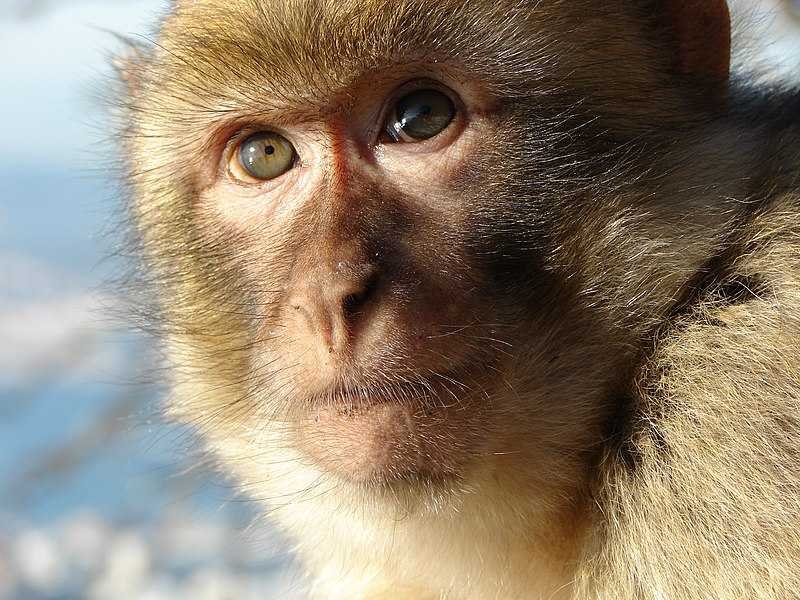
The Barbary macaque (Macaca sylvanus), also known as the Barbary ape, is a species of Old World monkey native to the Atlas Mountains of North Africa. However, a small population of barbary macaques also exists in Europe, in the British overseas territory of Gibraltar.

The Barbary macaque population in Gibraltar is the only wild population of this species outside of Africa and is considered to be of high conservation value. The macaques are protected under both UK and EU law, and their population is subject to monitoring and management efforts to ensure their long-term survival.

Read more