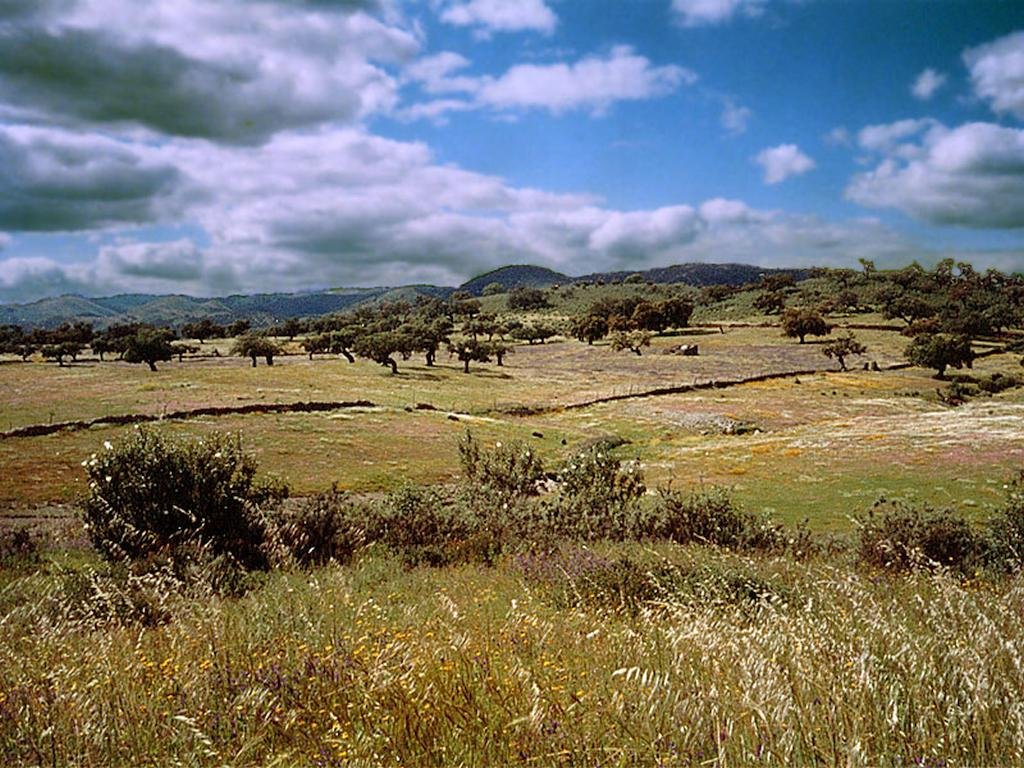
Sierra de Aracena y Picos de Aroche Natural Park is one of Andalucía’s great woodland landscapes, covering the northern part of Huelva province in the western Sierra Morena. With rolling hills, extensive oak and chestnut forests, streams, pastureland and a mild Atlantic-influenced climate, the park is a rewarding destination for walking, birdwatching and discovering the wildlife and traditional villages of rural Andalucía.
- Region: Andalucia
- Province: Huelva
- Declared a Natural Park: 1989
- Park surface area: 186,827 hectares
- Towns and villages Alajar, Almonaster La Real, Aracena, Aroche, Arroyomolinos de Leon, Cala, Cañaveral de Leon, Castaño del Robledo, Corteconcepcion, Cortegana, Cortelazor, Cumbres de Enmedio, Cumbres de San Bartolome, Cumbres Mayores, Encinasola, Fuenteheridos, Galaroza, Higuera de La Sierra, Hinojales, Jabugo, Linares de La Sierra, Marines (los), Nava (la), Puerto-moral, Santa Ana La Real, Santa Olalla del Cala, Valdelarco, Zufre
A brief introduction to Aracena from me (Clive)
In this episode of Wildside Holidays, I take you into Sierra de Aracena y Picos de Aroche, one of Andalucía’s largest natural parks. We explore its rolling hills, ancient chestnut and oak forests and rich wildlife, as well as some of the cultural highlights that make this corner of Huelva so distinctive, including Jabugo, the Grutas de las Maravillas and the historic mining landscape around Riotinto.
Explore the park’s cultural gems, including Jabugo’s world-famous ham, the underground wonder of Grutas de las Maravillas, and the ancient mining history of Riotinto. Whether you’re a hiker, birdwatcher, or cultural explorer, this region offers something for everyone.
Tours from Seville
If you’re staying in Seville and don’t have a car, an organised tour is an easy way to explore the Sierra de Aracena and the wider Huelva countryside. Depending on the itinerary, trips can combine Aracena, the Grutas de las Maravillas, Jabugo and the extraordinary mining landscape of Riotinto in a single day.
This tour includes Riotinto and the Gruta de Maravilla cave in Aracena.
The Landscape of Sierra de Aracena
Dense forest covers most of the park due to the humid climate which has an Atlantic influence. This is the western end of the Sierra de Morena mountain range, close to the Portuguese border. Oak and Chestnut are the main tree species with meadow pastures which are grazed by Ganado Bravo, fighting bulls. Cerdo Iberico, a breed of black pig from Iberia, is raised in the pastures and feeds on the acorns giving it a distinct flavour.
The village of Jabugo, one of the 28 within the park, produces world renowned Jamon Iberico products. The museum of ham in Aracena is well worth a visit. (Not for vegetarians though)
There are two reservoirs (Embalse) in the The Sierra de Aracena and Picos de Aroche Natural Park. The Embalse de Zufre and Embalse de Aracena.
Listen to the podcast about the Sierra de Aracena y Picos de Aroche Natural Park
Walking Wild Spain: Sierra de Aracena & Hidden Andalusia
Explore the Sierra de Aracena y Picos de Aroche Natural Park in southern Spain — a quiet corner of Andalusia filled with oak forests, mountain trails, and charming white villages. In this episode, we dive into local wildlife, top walking routes, and must-see spots like the Grutas de las Maravillas and Riotinto mines. Get practical travel tips, and discover how to explore this underrated region on foot. Plus, find out how Wildside Holidays connects you to other nature escapes across Spain, including Ronda, Cádiz, and the Caminito del Rey.
Explore the Scenery of Sierra de Aracena
Flora
The humid, Atlantic-influenced climate of the Sierra de Aracena supports extensive woodland, with chestnut and oak trees among the most characteristic species. Chestnut trees were encouraged here during Roman times and have since become an important part of the landscape. Cork oak and gall oak are particularly well suited to the valleys and lower slopes.
The park’s streams and river valleys support poplars, willows, alders and ash, while stone pine and black pine have also been planted in parts of the park. The understorey includes Mediterranean scrub such as Kermes oak, Smilax and turpentine tree.
The combination of mature woodland, open pasture and riverbank vegetation creates a varied mosaic of habitats. This diversity of plant life is an important part of what makes the Sierra de Aracena such a good environment for the birds and mammals described in the following section.
Fauna
The varied habitats of the Sierra de Aracena support an impressive range of birdlife and mammals. The combination of mature woodland, open pasture, river valleys and reservoirs provides feeding and nesting opportunities for both resident species and birds that pass through the region.
Birdwatchers can look for Black Stork, White Stork, Golden Eagle, Spanish Imperial Eagle, Booted Eagle and several species of vulture, including Griffon, Egyptian and Black Vultures. Kites, harriers, goshawks and Ospreys are also recorded here, while species such as Hoopoe, Bee-eater, Golden Oriole and Azure-winged Magpie add plenty of colour and character to the woodland and open countryside.
The park’s birdlife also includes Little Bustard, Great Spotted Cuckoo and Red-necked Nightjar, among many others.
Mammals include Wild Boar, Fox, Badger, Genet, Wild Cat, Egyptian Mongoose, Stone Marten, Polecat and Weasel. Red Deer and Mouflon have also been introduced to the area.
Also in the area
The Sierra de Aracena is surrounded by attractions that add an important cultural dimension to a visit. Aracena itself is the main gateway, with its spectacular cave system and historic centre, while the nearby Rio Tinto mining landscape provides a striking contrast to the green hills and forests of the natural park.
Grutas de las Maravillas (Website in Spanish here) is a limestone wonder with tremendous stalactites and stalagmites and more than 2km of caverns including 6 lakes. The entrance for visitors is in the town of Aracena which is also known for its 13thC Templar church and ruined castle.
Tours from Get Your Guide
The most ancient European copper mines are located south of the village of Riotinto. They were worked since Phoenician times and presently there is a fascinating museum and narrow gauge tourist train visiting the open cast mines. (Website here in Spanish)
Information/Visitors Centers
There are two useful places in Aracena for getting information about the park, its attractions and local activities.
“Cabildo Viejo”, Plaza Alta, Aracena.
The Cabildo Viejo visitor centre is in the centre of Aracena and occupies a historic building erected in the 17th century. Its name stems from the fact that the building was also once the seat of Aracena’s first town council. The house’s size and beauty give us some idea of the historic importance of Aracena in this area. The interpretative exhibition inside the centre focuses largely on the heritage, traditional crafts and gastronomy of the Nature Park.
Aracena Tourist Office
The tourist office in Aracena has a very helpful set of staff and speak English. They can point you in the right direction whether you are looking for tickets for the cave, a tour of the ham museum or other attractions in the area. Just follow the signs in the town for “Oficina de Turismo“
Sierra de Aracena y Picos de Aroche Natural Park: In-Depth Visitor FAQ
The Sierra de Aracena y Picos de Aroche Natural Park is one of Andalusia’s largest and most biodiverse protected areas. Declared a Natural Park in 1989, it spans 186,827 hectares in the far west of the Sierra Morena Mountains, in northern Huelva province, near the Portuguese border. This lush region is known for dense forests, high rainfall, a mild Atlantic climate, and a strong blend of natural and cultural heritage. The park includes 28 towns and villages, including Aracena, Jabugo, and Cortegana.
This park sits at the western end of the Sierra Morena, where the Atlantic influence creates a humid, green landscape. It’s characterised by rolling hills, oak and chestnut forests, and pasturelands used to graze Ganado Bravo (fighting bulls) and the Cerdo Ibérico (Iberian black pig).
Key tree species include:
Chestnuts (encouraged by the Romans)
Cork oak (Quercus suber)
Gall oak (Q. faginea)
Riverbank trees: Poplars, Willows, Alders, Ash
Planted species: Stone pine, Black pine, Eucalyptus
Scrubland species: Kermes oak, Smilax, Turpentine tree
The park also features two reservoirs: Embalse de Zufre and Embalse de Aracena, which are vital water sources and habitats.
The Sierra de Aracena supports a wide variety of birdlife and mammals thanks to its forests, pastureland, river valleys and reservoirs. Notable birds include Black Stork, White Stork, Golden Eagle, Spanish Imperial Eagle, Booted Eagle, Griffon Vulture, Egyptian Vulture and Black Vulture, along with kites, harriers, Goshawks and Ospreys.
Woodland and open-country species include Hoopoe, Bee-eater, Golden Oriole, Azure-winged Magpie, Little Bustard and Red-necked Nightjar. Mammals include Wild Boar, Fox, Badger, Genet, Wild Cat, Egyptian Mongoose, Stone Marten, Polecat and Weasel, with Red Deer and Mouflon also present.
Aracena is the main cultural centre, with the spectacular Grutas de las Maravillas, a cave system with more than 2 km of chambers and underground lakes. The town is also home to a 13th-century Templar church and a ruined castle.
Jabugo is famous for its Jamón Ibérico, while the Ham Museum in Aracena explains the traditional production of this important local product.
Just south of the park, the Rio Tinto mining area offers a very different landscape and a fascinating insight into the region’s long mining history. The mines were worked from Phoenician times and can be explored through the mining museum and narrow-gauge tourist train.
Yes. Organised day tours from Seville provide an easy way to visit the area if you don’t have a car. Depending on the itinerary, tours can include Aracena and the Grutas de las Maravillas, Jabugo and the Rio Tinto mining complex.
A guided tour is particularly useful if you want to combine several of these attractions in one day rather than arranging transport between them yourself.
The Cabildo Viejo Visitor Centre in Aracena occupies a historic 17th-century building and provides information about the natural, cultural and gastronomic heritage of the park.
The Aracena Tourist Office is another useful first stop. The staff can help with information about local attractions, cave tickets and activities in the area, and English is spoken. Look for the “Oficina de Turismo” signs in Aracena.
The Sierra de Aracena is particularly suited to walking, hiking, birdwatching and wildlife watching. The park has a network of mountain and forest trails connecting villages and passing through oak and chestnut woodland, streams and open countryside.
Birdwatchers can explore the varied habitats for raptors, storks and woodland species, while the forests and pasturelands provide opportunities to look for mammals. Spring and autumn are particularly interesting times for wildlife watching.

Clive Muir – Wildside Holidays – Walking, wildlife and culture holidays in Spain
I’ve been living in western Andalucía for more than 20 years and spend much of my time researching and running English-language travel websites about Spain. My work covers destinations including Cádiz, Ronda, Grazalema and the Caminito del Rey, as well as Wildside Holidays, which focuses on walking, wildlife and nature travel in Spain.
Through Wildside Holidays, I share practical information about Spain’s natural parks, mountains, wildlife and walking destinations, drawing on many years of living and travelling in the country. The aim is to help visitors discover Spain’s natural landscapes responsibly and plan rewarding walking and wildlife experiences.
Comments are closed.