October brought encouraging developments for wildlife conservation in Spain, alongside fresh evidence of the pressures facing many species. In Andalucía, a breeding programme produced the first Andalusian buttonquail chicks, while researchers published important findings about pollinators, butterflies and the effects of drought on wildlife in Doñana.
There was also difficult news. An Iberian lynx was found shot dead in Castilla y León, environmental organisations raised concerns about declining bird populations in the Ebro Delta, and new research suggested that wildlife deaths on roads may be far higher than official figures indicate. Meanwhile, the debate over wolf management continued in northern Spain, with new culling figures and further legal challenges to regional control programmes.
Here are some of the most interesting wildlife and conservation stories reported across Spain during October 2026.
Wolf control continues in northern Spain as legal challenges mount
The debate over the management of Iberian wolves has continued across northern Spain, with regional authorities carrying out lethal control programmes while conservation organisations challenge their legality in the courts.
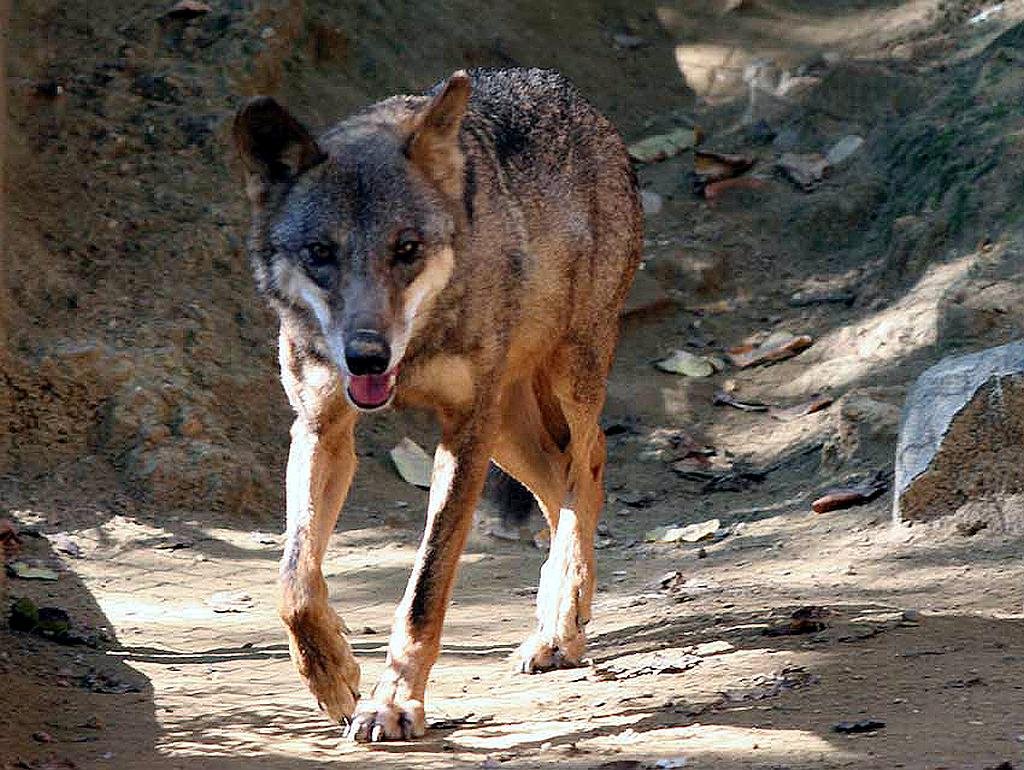
Read about the Iberia wolf here.
In Cantabria, the regional government reported on 15 October that 20 wolves had been removed during 2026, out of an annual quota of 35. This brought the total number removed since April 2025, when the species lost its national special protection status in areas north of the River Duero, to 58. The government also confirmed that the High Court of Justice of Cantabria had rejected an application by the conservation organisation ASCEL to suspend the regional control quota while its legal challenge proceeds.
Cantabria – Coastline Cliffs and Mountain Trails
In Asturias, the figures have moved on considerably. On 3 November, regional broadcaster RTPA reported that 14 wolves had been shot under the 2026–27 control programme, with another two animals dying from other causes. The programme authorises the removal of up to 67 wolves, although this is a permitted maximum rather than a confirmed number of kills.
Asturias – Green Spain’s Wildlife & Mountains
The legal challenges have continued too. On 4 November, the High Court of Justice of Asturias rejected a further application to suspend the programme, this time brought by PACMA. The decision followed an earlier rejection of similar applications from other conservation organisations in October. The programme can therefore continue while the courts consider the substantive legal challenges. The latest decision does not amount to a final ruling on the programme’s legality.
The dispute centres on how regional governments justify lethal control, whether population assessments provide sufficient scientific support and whether non-lethal measures to protect livestock have been properly considered.
The Spanish Supreme Court’s February 2026 ruling remains an important part of this debate. It established that killing a wolf to prevent livestock damage should only be authorised when it is the only effective solution, after reasonable alternatives have been examined. Any killing must also be selective and supported by an appropriate assessment of the wider population.
For now, the figures from Cantabria and Asturias show that lethal control is continuing, despite the ongoing legal challenges. The final outcome of those cases, and the longer-term effect of regional control programmes on wolf populations, remain to be seen.
Sources:
All the below sources are Spanish language.
- Europa Press – Cantabria reports 20 wolves removed in 2026 and 58 since April 2025 (15 October)
- RTPA – Asturias has carried out 24% of its wolf control programme (3 November)
- EFE – Asturias court rejects another request to suspend the wolf control programme (4 November)
- ASCEL – Challenge to Cantabria’s 2026 wolf quota (9 September)
First Andalusian buttonquail chicks hatch in Jerez
A conservation programme in Jerez de la Frontera achieved an important milestone in October when six Andalusian buttonquail chicks hatched at the city’s Zoobotanical Garden.
The chicks came from eggs laid by two females among a group of 18 birds transferred from Morocco in September. The females laid seven eggs, and six hatched successfully between 11 and 12 October. The seventh egg was still incubating when the regional government announced the news on 20 October.
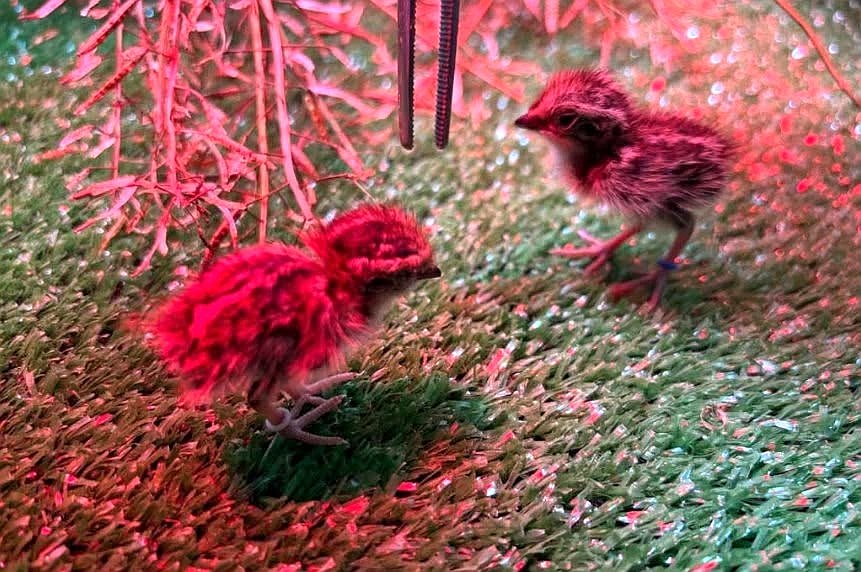
The Andalusian buttonquail (Turnix sylvaticus sylvaticus) is considered extinct in Spain. Its remaining wild population survives in Morocco, where traditional agricultural landscapes provide important habitat.
The new breeding programme aims to establish a healthy captive population that could eventually support the species’ return to suitable areas of Andalucía. A second breeding group is being established at Aïn Sebaâ Zoo in Casablanca, and the two centres will coordinate their management.
This is an encouraging first step, but the chicks’ arrival does not mean the species has returned to the wild in Spain. Conservationists must first establish a stable breeding population and assess the prospects for future releases.
The programme also aims to support the remaining wild population in Morocco, where the species continues to face serious pressure.
Original source: Junta de Andalucía — first Andalusian buttonquail chicks hatch
Centro de Conservación de la Biodiversidad Zoobotánico Jerez (in Spanish)
Spain extends legal protection to seven pollinator species
Spain took an important step for insect conservation in October by extending legal protection to seven pollinating species.
According to IMDEA Water’s report published on 21 October, four bumblebee species received Endangered status, while two hoverfly species were classified as Vulnerable. One butterfly species was added to Spain’s List of Wild Species under Special Protection Regime.
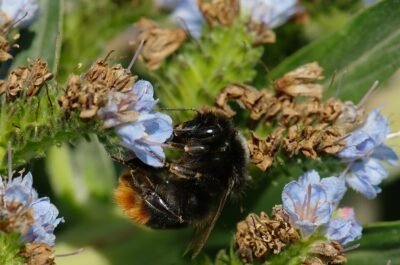
Pollinators include far more than honeybees. Bumblebees, hoverflies and butterflies help wild plants reproduce and support the wider ecosystems on which many other species depend.
Yet insect conservation often receives less attention than work involving larger, more familiar animals such as eagles, vultures and mammals.
The new protection provides a stronger legal basis for conservation action. It can support monitoring and measures to protect the habitats these insects need, although legal status alone cannot reverse population declines.
Researchers and conservation specialists played an important role in securing the changes. The next challenge is to ensure that protection leads to practical improvements for the species concerned.
Iberian lynxes prey on black kite chicks during drought
Research published in Nature in October revealed an unexpected consequence of drought and declining rabbit populations in Doñana National Park.
Iberian lynxes began preying on black kite chicks when their usual food sources became scarce. In the study area, predation removed nearly half of the young black kites in one particularly difficult year.
Researchers from the Doñana Biological Station, part of Spain’s National Research Council (CSIC), examined 1,624 black kite nests monitored between 1993 and 2023.
For much of the study period, lynxes and black kites coexisted without significant conflict. Both species rely heavily on rabbits, but they generally hunted at different times of day.
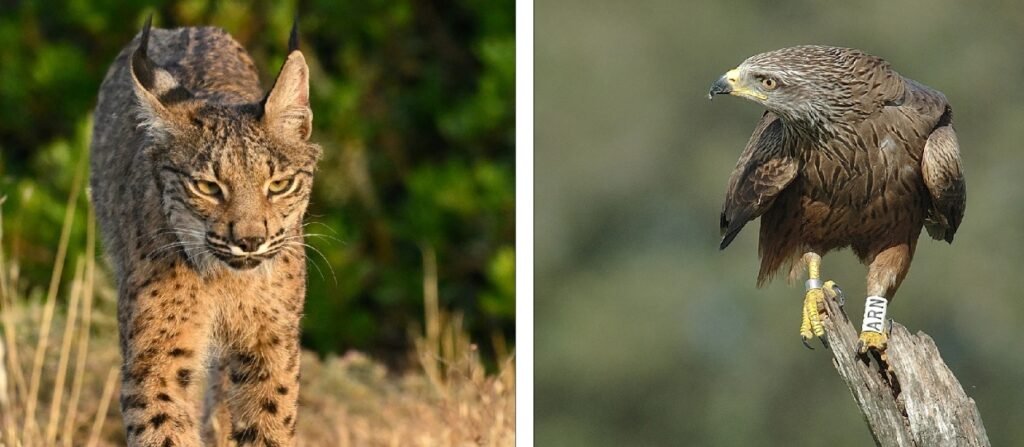
That changed after rabbit haemorrhagic disease caused rabbit populations to fall sharply. During droughts, other prey, including waterbirds in the marshes, also became less available. Lynxes increasingly turned to black kite chicks as an alternative food source.
The consequences extended beyond the two main species. As black kites abandoned some territories, researchers observed an increase in little owls, which are normally preyed upon by the larger birds.
The findings show how drought and the loss of one important food source can change relationships throughout an ecosystem.
They do not mean Iberian lynxes have generally become a threat to birds. Instead, the research highlights the importance of maintaining healthy prey populations and suitable wetland conditions.
The researchers argue that restoring rabbit populations and ensuring appropriate flooding in the Guadalquivir marshes could help reduce the pressures that drive these unexpected interactions.
Original source:
Drought and disease trigger novel interactions among top predators (Nature Journal)
Spain publishes its first national Red List assessment
Spain’s first national Red List assessment using International Union for Conservation of Nature (IUCN) criteria was reported on 2 October.
The assessment examined 1,937 endemic and near-endemic species. It identified 93 species as Critically Endangered, 213 as Endangered and 238 as Vulnerable. It also recorded five species as extinct and two as regionally extinct.
The assessment covers species found only in Spain and those whose ranges also extend into neighbouring territories, including Portugal, France, Andorra and Gibraltar. It is not an assessment of every species found in the country.
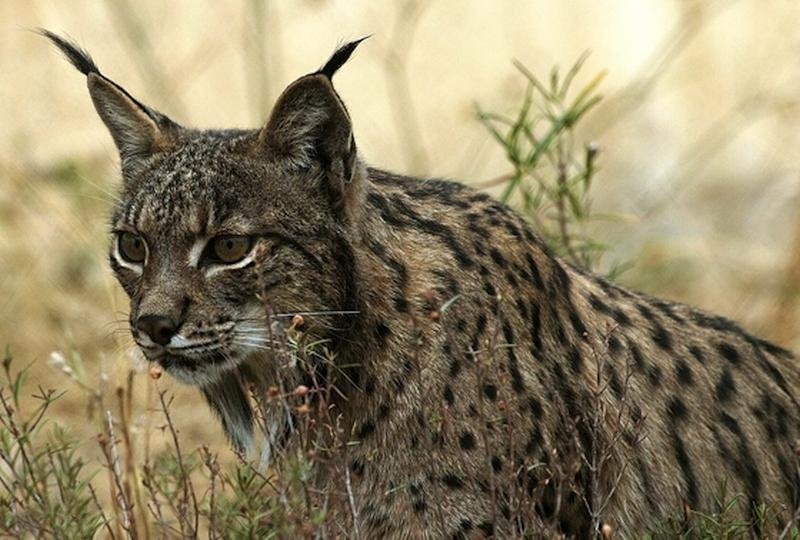
These categories need context. A species’ classification in this assessment should not be confused with every legal protection category or international assessment that may apply to it.
The study provides a more systematic picture of conservation risks among the species evaluated. It also highlights the importance of invertebrates: 1,456 of the species assessed were invertebrates, including insects and molluscs.
For anyone interested in the conservation status of Spain’s wildlife, the National Red List of Spain is an excellent resource. It brings together assessments of nearly 2,000 species, showing their current conservation status and the threats they face. You can search for individual species and explore the results in detail. It’s well worth bookmarking for anyone interested in Spanish wildlife and biodiversity.
Source: The national Red List Database. (You can switch to English at the top right.)
Lesser kestrel research reveals gaps in habitat protection
Research reported in October mapped important post-breeding areas and movements of the lesser kestrel across the Iberian Peninsula.
The study, led by the Autonomous University of Madrid in collaboration with GREFA, examined where these small falcons gather and move after breeding. Researchers used GPS tracking of 54 adult birds alongside ecological models to identify important areas and movement routes.
The findings raised concerns about the level of protection given to these sites. According to the report, more than half of the identified locations had no protection or little overlap with the Natura 2000 network. The researchers also found that 27.6% of the routes analysed crossed areas associated with risks from wind-energy development.
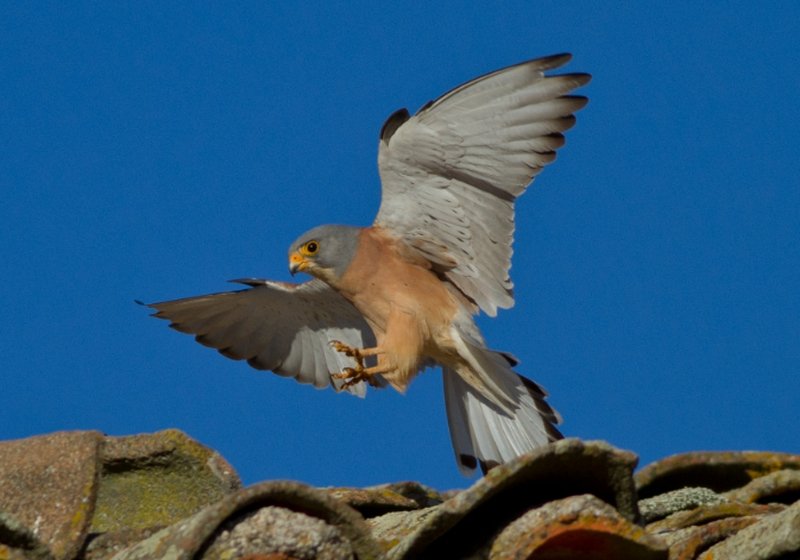
The research highlights a problem that affects many migratory and dispersive birds. Protecting nesting colonies is not enough if birds encounter unsuitable conditions or other threats when they move elsewhere during the year.
The findings could help conservationists identify priority areas and improve future planning. The precise risks vary between sites, so the results should not be read as evidence that every wind-energy development causes harm.
Bird populations in the Ebro Delta face continuing pressure
Environmental organisations raised concerns about bird populations in the Ebro Delta in October, highlighting the pressure on migratory and wintering waterbirds.
In a report published on 8 October, SEO/BirdLife and other conservation organisations argued that hunting was contributing to the decline of several duck species and other waterbirds.
Their figures indicated that an average of 46,406 migratory and wintering birds were shot annually in the areas covered by their analysis, including protected areas and rice fields.
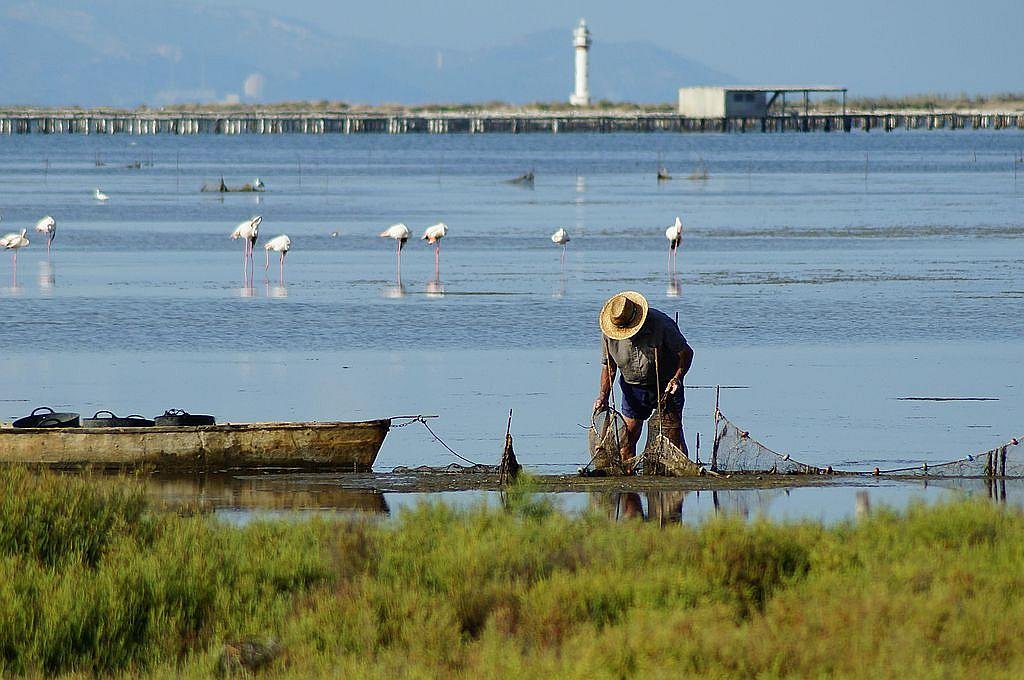
The report highlighted declines in several duck populations in Catalonia. Some species have experienced substantial reductions in recent years, raising concerns about the continued authorisation of hunting while their numbers fall.
These figures come from the organisations’ analysis of available data and should be understood in that context. Nevertheless, the report raises important questions about how hunting is managed in a landscape with significant conservation responsibilities.
Wetlands face several pressures at once, including changes in water availability, habitat management and human activity. Effective conservation requires authorities to consider these pressures together, particularly where birds depend on the same areas at different stages of their annual cycle.
The organisations called for urgent measures to reduce hunting pressure on declining species and improve the condition of wetland habitats.
Original source: SEO/BirdLife — declining bird populations in the Ebro Delta (in Spanish)
Read more about the Ebro Delta natural park.
Iberian lynx found shot dead in Valladolid province
Authorities in Castilla y León opened an investigation after finding a radio-collared Iberian lynx dead at a hunting estate near Tordehumos in Valladolid province.
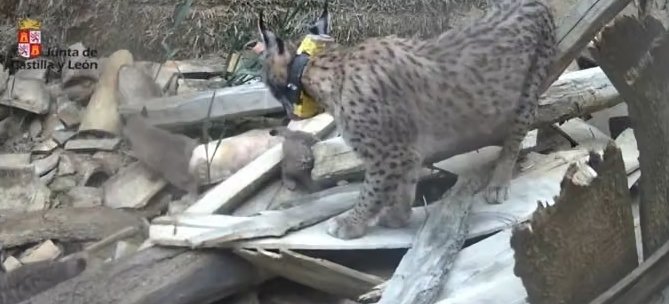
Veterinary tests established that a rifle bullet had caused fatal internal injuries. The authorities informed SEPRONA, the Guardia Civil’s environmental protection service, and began investigating the circumstances of the death.
The Iberian lynx has made a remarkable recovery from the very low numbers recorded at the beginning of this century. Reintroduction programmes have helped expand its range, but individual animals remain vulnerable to human-related threats.
The death of a released lynx is a setback for the programme, although the wider impact depends on the circumstances and the condition of the local population.
The investigation must establish what happened and whether anyone was responsible. The report did not announce a conclusion or identify a suspect.
Recovering a threatened species involves more than breeding and releasing animals. It also requires reducing avoidable deaths and ensuring that wildlife protection works in practice.
Sources:
Europa Press — investigation into the shooting of an Iberian lynx (in Spanish)
Butterfly monitoring reveals further declines
A report published by the Spanish Butterfly Monitoring Scheme in October provided further evidence of declines among several butterfly species and the habitats they depend on.
The report covered monitoring carried out during 2025. The network recorded more than 160,000 individual butterflies across 252 active survey routes in 36 provinces and 13 autonomous communities.
Although the monitoring programme achieved record levels of participation and geographical coverage, its findings raised concerns about threatened species, specialist butterflies and the effects of climate change.

The southern Mediterranean region of the Iberian Peninsula showed particularly negative trends. The report also highlighted the situation of several threatened species, including the Iberian endemic Pseudochazara williamsi, which has lost more than 90% of its potential habitat according to research cited in the report.
The wider European picture is also worrying. The European Grassland Butterfly Indicator estimates that grassland butterfly populations have declined by almost half since 1991. Changes in land use, agricultural intensification and climate warming all contribute to the pressure on these insects.
There was some positive news in Spain’s monitoring results. The network recorded more participants and expanded its coverage, giving researchers a better picture of how butterfly populations change over time.
That information matters because butterflies can help reveal changes in habitats and environmental conditions. Long-term monitoring allows researchers to distinguish persistent trends from the natural fluctuations seen from one season to another.
The findings are presented in the 2025 BMS Spain annual report, (in Spanish) which brings together butterfly monitoring results from across the country. It’s a useful resource for anyone interested in Spain’s butterflies, their changing populations and the habitats they depend on.
Red kite releases continue in Aragón
Aragón released nine red kites in October as part of its efforts to recover the species in Spain.
The birds came from the La Alfranca Wildlife Recovery Centre near Zaragoza. Eight had been born at the centre as part of its captive-breeding programme, while the ninth was a wild chick that had arrived injured and was later raised alongside the captive-bred birds.
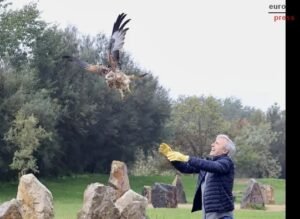
The red kite is classified as Endangered in Spain. Aragón has run a captive-breeding programme since 2006, and the regional government reported that it had produced 175 chicks over the previous 15 years.
The programme has helped restore breeding in areas where the species had disappeared and supported its presence in new locations. Some birds raised in Aragón have also been transferred to conservation projects elsewhere in Spain.
The nine birds released in October were fitted with identification rings and GPS transmitters. These allow conservationists to monitor their movements, assess how well they adapt to the wild and determine whether they establish territories and breed.
Releasing birds is only one part of a successful recovery programme. Long-term monitoring and action to reduce threats such as electrocution and collisions with infrastructure remain important.
Source: Europa Press — nine red kites released in Aragón
An osprey returns to the wild in Cádiz Bay
A female osprey rescued in the Barbate marshes in September returned to the wild at Los Toruños in Cádiz Bay on 1 October, following treatment for injuries.
The bird had suffered injuries to both legs. After receiving care, it was considered ready for release.
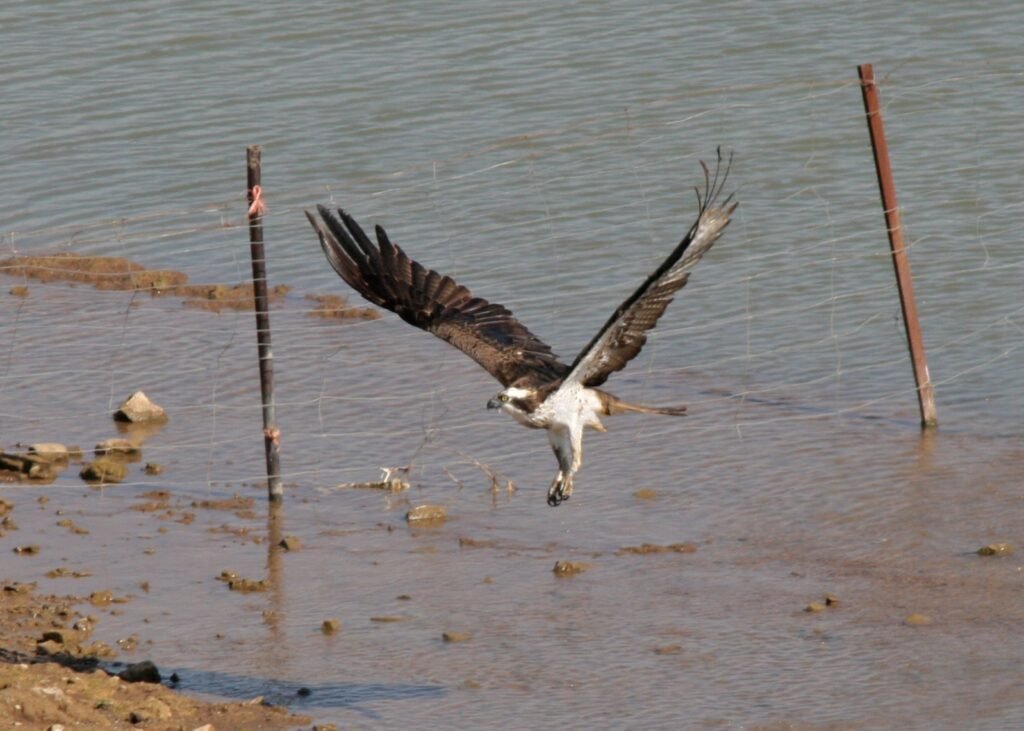
The release was reported on 10 October as part of conservation work focused on birds and wetland habitats.
Ospreys depend on suitable waters where they can catch fish, along with safe places to rest and nest. Wetlands and coastal lagoons can provide important habitat, although their value varies with water quality, disturbance and the availability of prey.
This was a local wildlife rescue rather than a major change in the species’ national conservation status. Nevertheless, it offers a useful reminder of the work involved in returning injured birds to the wild.
A successful release is an encouraging outcome for an individual animal. It does not, by itself, tell us whether the wider population is increasing or declining.
Source: Europa Press — osprey released in Cádiz Bay (in Spanish)
Large mammals are returning, but smaller wildlife continues to decline
A study reported by EFE on 21 October examined an apparent contradiction in Spain’s changing wildlife populations.

Read about Wild Boars in Spain here.
Researchers from the Pyrenean Institute of Ecology, part of CSIC, worked with the Miguel Hernández University to explore how changes in rural life and land use over the past century have affected different groups of animals.
The decline of traditional farming and grazing, together with reduced persecution and conservation measures, has helped some larger species recover. But other pressures have grown. Intensive agriculture, pesticides, veterinary medicines, simplified landscapes, invasive species and climate change can all affect smaller animals.
The authors warn that the return of conspicuous wildlife can create a misleading impression that nature as a whole is recovering. Large mammals may be doing better while less visible parts of the ecosystem continue to deteriorate.
This is an important distinction for conservation. The return of wolves, bears or other large animals is worth celebrating, but it cannot serve as the only measure of environmental health.
The study argues for a broader view of biodiversity, one that considers the relationships between large and small species and the ecological roles they perform.
Source: EFE — the return of large mammals alongside declines in birds and insects (in Spanish)
Cinereous vultures show positive signs in western Iberia
The Vulture Conservation Foundation reported encouraging developments for cinereous vultures in Portugal in late October, including the discovery of a new breeding colony.
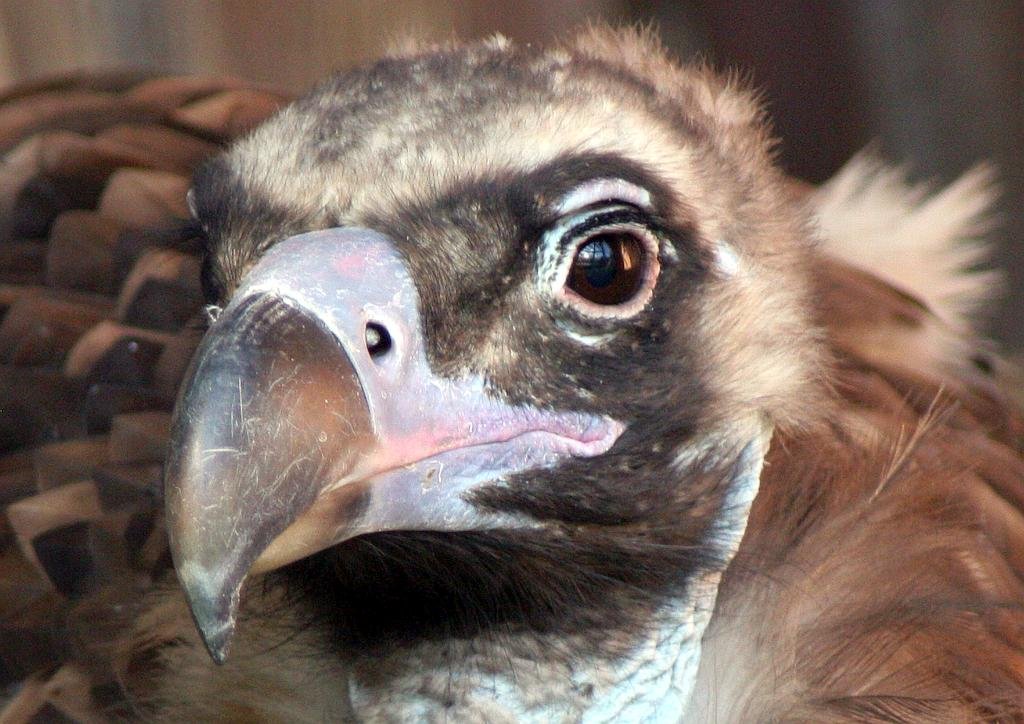
Read more about the black vulture here.
Monitoring recorded between 127 and 131 breeding pairs across Portugal’s monitored colonies in 2026, compared with between 119 and 126 the previous year. The number of young reaching the fledging stage also increased, from 56 in 2025 to an estimated 61–68 in 2026.
The new colony at Monfortinho brings the number of known breeding colonies in Portugal to six. Although the colony is still small, its discovery suggests that the species is continuing to expand into parts of its former range.
This is a cross-border conservation story rather than a development confined to Spain. Several breeding colonies lie close to the Spanish border, and the Vulture Conservation Foundation’s monitoring also includes adjacent areas in Spain. At least 33 of the breeding pairs in its 2026 figures had territories and nests on the Spanish side of the border.
The latest results offer encouragement, but population growth alone does not guarantee long-term recovery. Wildfires, poisoning, illegal shooting, disturbance and poorly planned development continue to threaten vultures and their breeding habitats.
Original source: Vulture Conservation Foundation — cinereous vultures in western Iberia
What October’s wildlife news tells us
October’s wildlife stories offered a mixed picture of conservation in Spain. There were genuine reasons to be encouraged, from the first Andalusian buttonquail chicks in Jerez to new protection for pollinators and continued work to restore red kite populations in Aragón.
But there were also reminders of how much remains to be done. The death of an Iberian lynx in Valladolid, concerns over birds in the Ebro Delta and further evidence of declining butterfly populations all point to continuing pressures on Spain’s wildlife.
One of the most interesting findings came from Doñana, where researchers showed how drought and declining rabbit numbers can change the relationship between predators and other birds. It is a good example of why conservation cannot focus on individual species alone. What happens to one part of an ecosystem can have consequences much further along the food chain.
There is encouraging conservation work taking place across Spain, but the recovery of a species is only part of the picture. The condition of its habitat, the availability of food and the wider health of the ecosystem matter just as much.
These are some of the developments that caught our attention during October 2026. There is plenty more happening in Spanish wildlife conservation, and we’ll continue following the research, successes and challenges in the months ahead.

Clive Muir – Wildside Holidays – Walking, wildlife and culture holidays in Spain
I’ve been living in western Andalucía for more than 20 years and spend much of my time researching and running English-language travel websites about Spain. My work covers destinations including Cádiz, Ronda, Grazalema and the Caminito del Rey, as well as Wildside Holidays, which focuses on walking, wildlife and nature travel in Spain.
Through Wildside Holidays, I share practical information about Spain’s natural parks, mountains, wildlife and walking destinations, drawing on many years of living and travelling in the country. The aim is to help visitors discover Spain’s natural landscapes responsibly and plan rewarding walking and wildlife experiences.