Aiming for the Return of the Iberian Lynx in Aragón

To date, 238 specimens of Iberian lynx have been born in the breeding centres of El Acebuche and Zarza de Granadilla with 150 released in different areas of the Iberian Peninsula.

The General Directorate of Natural Environment, under the Spanish Department of Environment and Tourism, is embarking on an information and citizen participation initiative for the potential reintroduction of the Iberian lynx in Aragon. This pivotal step seeks to achieve consensus among various stakeholders invested in the restoration of this iconic species to the Aragonese fauna.

Read more

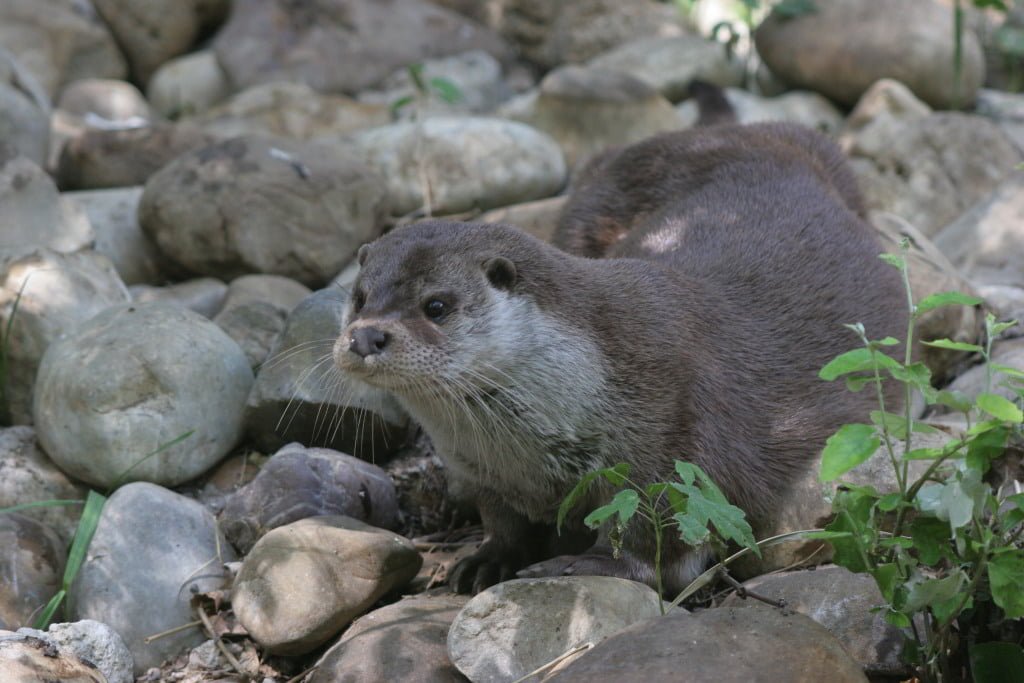
Otter – Lutra lutra -Nutria Europea.

The Otter - Lutra lutra -Nutria Europea (in Spain the European otter)

The Otter – Lutra lutra – Nutria Europea. A carnivorous mammal in the subfamily Lutrinae. They are semiaquatic in Spain with diets based mostly on fish and invertebrates.

Although most European otters tend to prey primarily on fish, some have developed a taste for frogs and toads—a food choice that requires some deft preparation. Because common toads (Bufo bufo) have toxins in both their skin and the glands on either side near the front of their bodies, these resourceful otters use their sharp teeth to remove the skin from the back half of the toads and then eat just the hind legs. While common frogs (Rana rana) don’t have toxic skin or glands, most otters appear to not know the difference, and generally play it safe by following the same food-prep routine they use on toads.

There is a brilliant photo of an otter with a frog on the website link below. https://www.biographic.com/frog-leg-feast/

A slow population recovery.

With the creation of many natural and national parks in Spain, and other environmental awareness campaigns, the otter population seems to have increased, certainly in Andalusia, over the past 20 years. However, this recovery has been relatively slow, and in some areas the impact of human activities still prevents the species, from expanding into new territory.

Read more

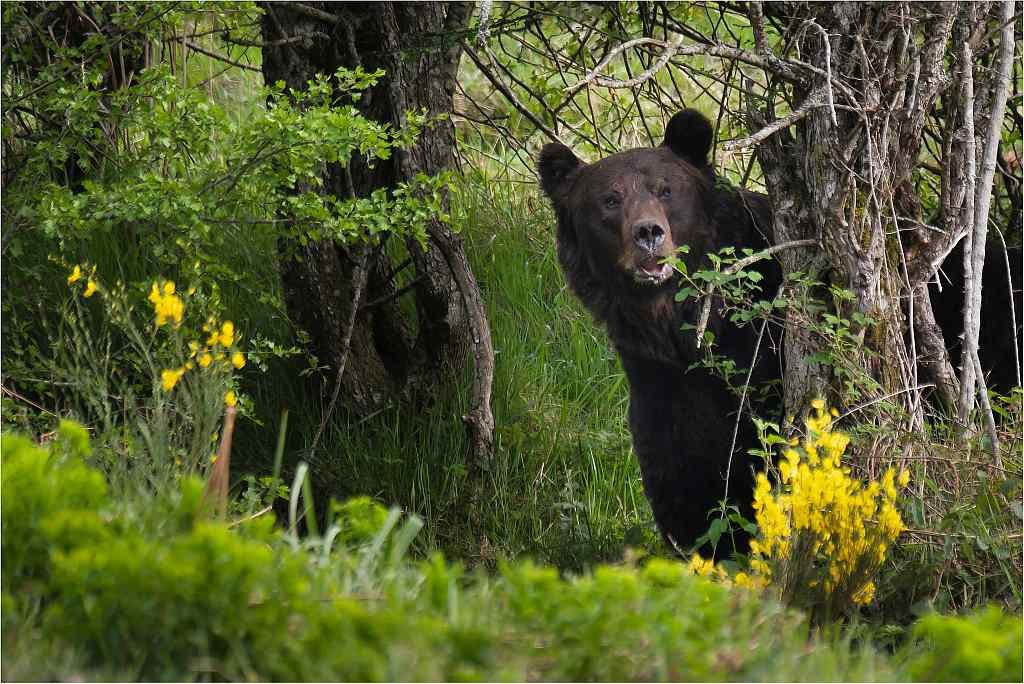
Cantabrian Brown Bear (Ursus arctos) Oso Pardo Cantábrico

Cantabrian brown bears have developed a slightly different genetic identity to other brown bears, although not as different as was once believed.

Special thanks for help with this original article about the Cantabrian Brown Bear go to Lisa Stuart who, together with Mike, runs a wonderful guesthouse in the Picos de Europa national park. They also organise outdoor activities and adventures in this stunning part of Spain

Ask Lisa about finding bears in the Picos de Europa.

Listed in the Spanish Catalogue of Endangered Species (Catálogo Nacional de Especies Amenazadas) as being in danger of extinction, the Cantabrian brown bear’s existence in Spain is not widely known.

The Somiedo Experience
Somiedo Experience

The Somiedo Experience can help you to find and photograph the Cantabrian brown bear. Find out more here: https://wildsideholidays.co.uk/somiedo-experience/

Read more

Debate Ensues Over the Best Methodology for Cantabrian Bear Census as Genetic Analysis Sparks Controversy

Somiedo Experience

In the lush wilderness of the Cantabrian Mountains, an ongoing debate is stirring within the conservation community regarding the most accurate methodology for assessing the population of Cantabrian bears, an iconic and endangered species native to northern Spain.

For decades, the traditional method of estimating the bear population relied on an annual census of bears with cubs. However, recent shifts in policy by several regional governments are advocating for an exclusive reliance on genetic analysis for this purpose.

Read more