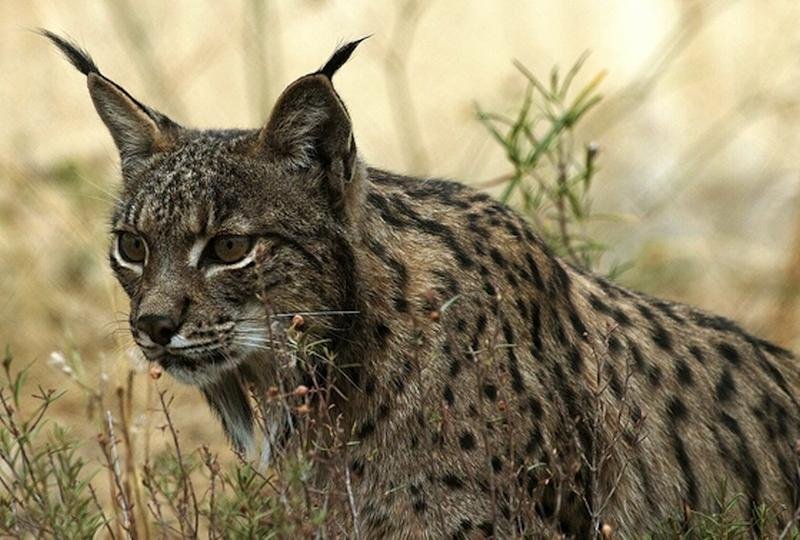
Wildife tourism in Spain can have both positive and negative effects on the environment. On the one hand, it can help to protect wildlife and their habitats by bringing in revenue that can be used for conservation efforts. Additionally, it can raise awareness about conservation issues and help to educate people about the importance of protecting wildlife and their habitats.
On the other hand, wildlife tourism can also have negative effects on the environment if it is not properly managed. For example, large numbers of tourists visiting wildlife areas can damage habitats and disrupt wildlife. Some tourism activities such as safaris or wildlife watching can put stress on wild animals. Additionally, if wildlife tourism is not well-regulated, it can lead to illegal hunting and poaching, which can be devastating for wildlife populations.

Clive Muir – Wildside Holidays – Walking, wildlife and culture holidays in Spain
I’ve been living in western Andalucía for more than 20 years and spend much of my time researching and running English-language travel websites about Spain. My work covers destinations including Cádiz, Ronda, Grazalema and the Caminito del Rey, as well as Wildside Holidays, which focuses on walking, wildlife and nature travel in Spain.
Through Wildside Holidays, I share practical information about Spain’s natural parks, mountains, wildlife and walking destinations, drawing on many years of living and travelling in the country. The aim is to help visitors discover Spain’s natural landscapes responsibly and plan rewarding walking and wildlife experiences.
