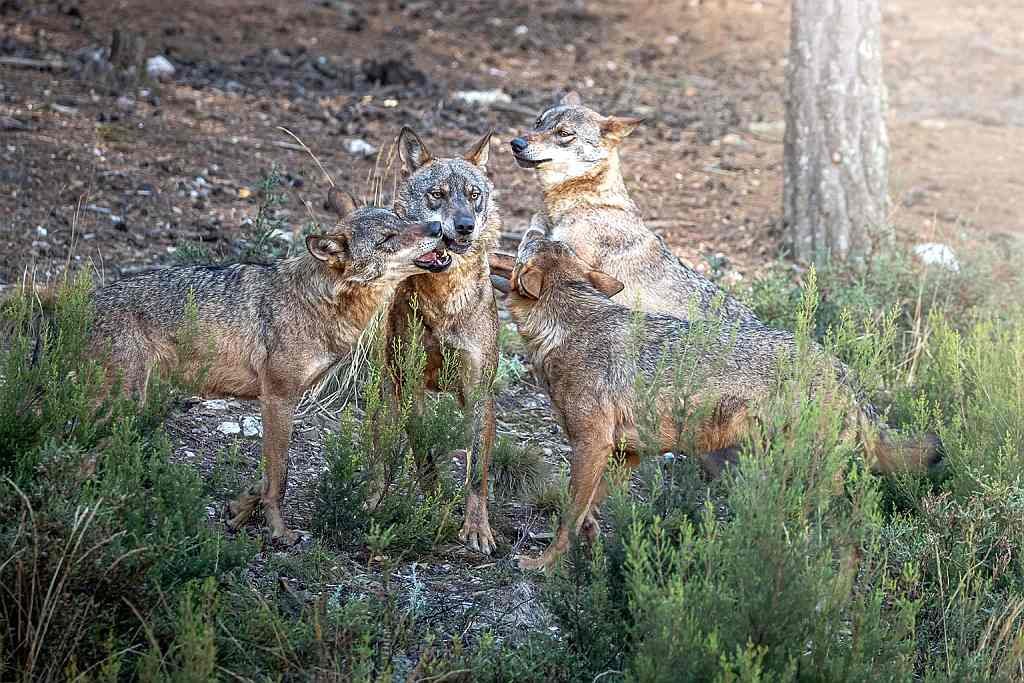
Iberian Wolf (Canis lupus signatus) Lobo Ibérico

The best place to see wolves in Spain is in the rolling hills of the Sierra de la Culebra.
  • Spanish: Lobo
  • Catalan: Llop

The Iberian wolf, Canis Lupus, has suffered much persecution over the centuries. Already being eradicated from many countries and, despite a bounty on every head of a wolf during the 1950’s and 60’s. Some small populations of these mammals survived and now receive a partial protection especially when they reside in protected (natural and national park) areas of Spain. (A hunting ban came into force in 2021)

Recent Legislative Changes: Reversal of the 2021 Hunting Ban

In March 2025, the Spanish parliament passed a law targeting “food production waste”, which included an amendment to lift the 2021 ban on wolf hunting north of the Duero River. This decision allows controlled hunting to resume in regions like Asturias, Cantabria, Galicia, and northern Castilla y León, where most of Spain’s Iberian wolves reside. The amendment was supported by parties such as the People’s Party (PP), Vox, Junts, and the Basque Nationalist Party (PNV). Read more here.

Read about the 2021 hunting ban of the Iberian wolf over at the Iberia Nature Forum: https://iberianatureforum.com/forums/topic/iberian-wolf-hunting-ban/ Feel free to join in with the topics there! 🙂

Iberian wolf populations are mainly in scattered packs in the forests and plains of north-western Spain whilst the north of Portugal also holds small numbers.

The Junta de Andalucia declared the wolf extinct in Andalucia (the Sierra Morena) in 2023. Read more here.

A few details about the Iberian wolf

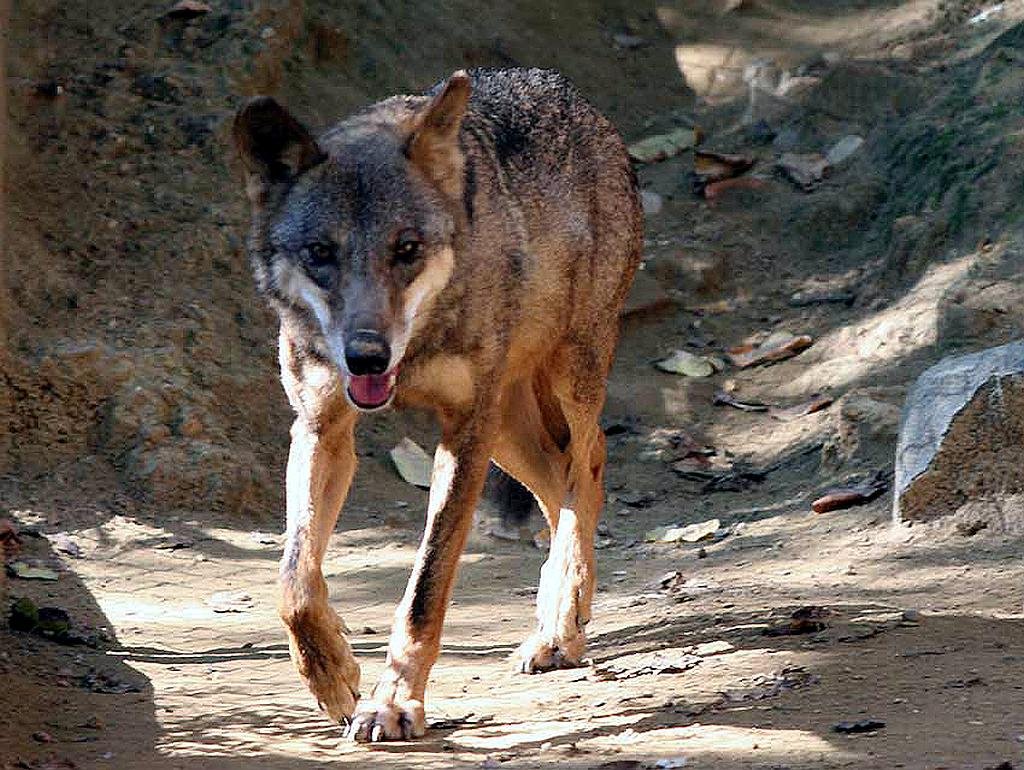
The Iberian wolf can reach a height of around 70cm and length of 120cm. The animal is different in colour from the Eurasian wolf by having dark markings on its forelegs, back and tail with white markings on its upper lips. This is the reason for the last part of the scientific name, with signatus meaning “marked”. Males weigh around 40kg with females being of a finer / slimmer build.

Read more
Conservation Project Aims to Restore Odiel Marshes

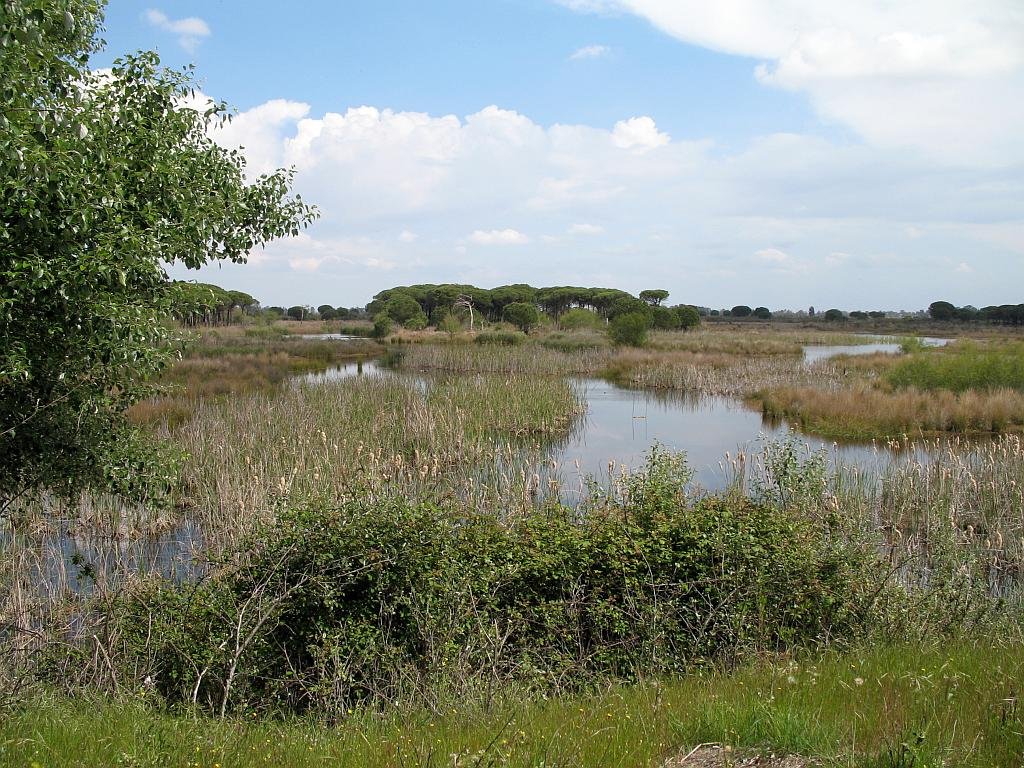
A relatively small protected area situated at the mouth of the river Odiel, between the towns of Huelva, Gibraleón, Aljaraque and Punta Umbría, the Marismas de Odiel Biosphere Reserve is an important wetland for both resident and migratory birdlife.

The Odiel Marshes in Huelva, Andalucia. A UNESCO Biosphere Reserve and one of Andalusia’s most ecologically valuable areas, is undergoing a significant environmental restoration. A new conservation and prevention project, backed by the Andalusian Ministry of Sustainability and Environment, has been launched to tackle pollution and habitat degradation. The initiative, with a budget of over €728,000, is part of the EU-funded NextGenerationEU Recovery, Transformation, and Resilience Plan.

Read more

Why Spain’s Iberian Lynx Rewilding Success Is Now Under Threat

To date, 238 specimens of Iberian lynx have been born in the breeding centres of El Acebuche and Zarza de Granadilla with 150 released in different areas of the Iberian Peninsula.
Introduction: The Iberian Lynx Recovery at Risk

The Iberian lynx (Lynx pardinus) was once the world’s most endangered wild cat, reduced to fewer than 100 individuals in the early 2000s. Thanks to over two decades of conservation work, including habitat restoration and captive breeding, the population has grown to more than 2,000 across Spain and Portugal.

Listen to the podcast about “Why Spain’s Iberian Lynx Rewilding Success Is Now Under Threat”

However, this remarkable recovery is now under threat. Farmers and hunting groups are pressuring regional governments to block further lynx reintroductions, risking decades of progress.

Why Are Farmers and Hunters Opposing the Iberian Lynx?

Read more

Dangers of Pine Processionary Caterpillars

processionary-caterpillar

When in Spain many people may wonder about scorpions, spiders and venomous snakes and will not be aware that they are much more likely to endanger themselves and their pets by getting too close to an innocent looking line of caterpillars that can be found crossing a pavement, road or footpath during the first months of the year. So, what are the dangers of Pine Processionary Caterpillars?

Listen to the podcast about the Pine Processionary Caterpillar
Lets learn a bit about their lifecycle.

Read more

Related Posts
  1. Coolest Places To Stay In London
  2. Unusual Day Trips From London
  3. Things To Do In London On A Budget
  4. London Expensive
  5. Hidden Places In London
  6. London City Trip Planner
  7. Best Shopping In London England
  8. Transport In London
  9. Best London Neighborhoods For Families
  10. First Trip To London