Photographing Spain’s Wildlife: Questions and Answers for Wildlife Enthusiasts

Finding wildlife photography hides in Spain

Delve into lesser-known facts about Spain’s exceptional wildlife. For example, the Iberian lynx is the world’s most endangered feline species, with a unique preference for hunting European rabbits. Photographing Spain’s wildlife: Questions and answers for wildlife enthusiasts

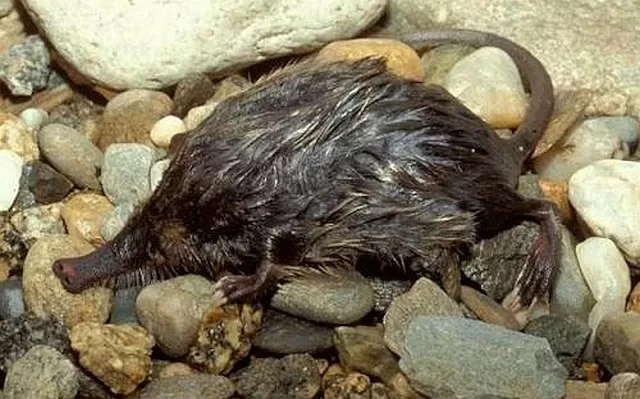
The Pyrenean desman, a rare aquatic mammal, is found only in Spain and Portugal’s freshwater habitats, while the Iberian magpie, a striking bird species, is a symbol of the Iberian Peninsula’s avian diversity. Explore these and more intriguing tidbits about Spain’s remarkable fauna, adding depth to your appreciation of its wildlife.

The Pyrenean desman (Galemys pyrenaicus)
The Pyrenean desman, a rare aquatic mammal, is found only in Spain and Portugal’s freshwater habitats
What are the most common animals in Spain?

Read more

Join the Iberia Nature Forum: Where Nature, Culture, and Community Thrive

Join the Iberia Nature Forum: Where Nature, Culture, and Community Thrive

Welcome to the Iberia Nature Forum, a vibrant online community where the heart of the Iberian Peninsula comes alive through discussions on nature, culture, and everything in between. Whether you’re a long-time member or someone considering joining, this article is an invitation to explore the diverse world of the forum, where we weave together threads of knowledge, curiosity, and shared experiences. Join us on this journey to discover what makes the Iberia Nature Forum an enriching destination for nature enthusiasts and inquisitive minds alike.

Download the Android app to your phone!

Read more

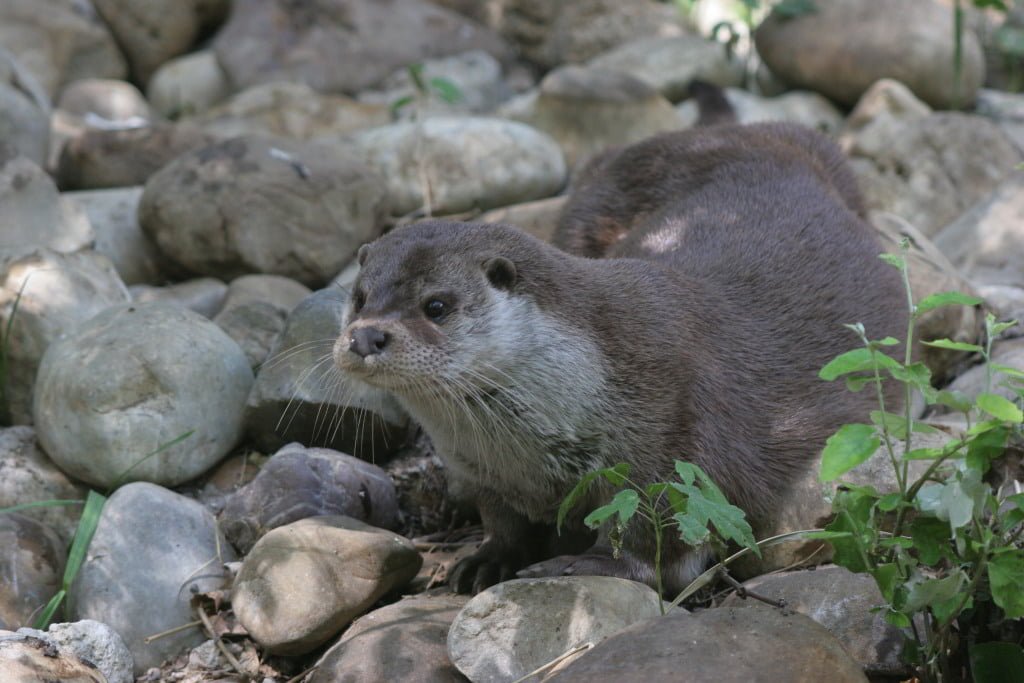
Otter – Lutra lutra -Nutria Europea.

The Otter - Lutra lutra -Nutria Europea (in Spain the European otter)

The Otter – Lutra lutra – Nutria Europea. A carnivorous mammal in the subfamily Lutrinae. They are semiaquatic in Spain with diets based mostly on fish and invertebrates.

Although most European otters tend to prey primarily on fish, some have developed a taste for frogs and toads—a food choice that requires some deft preparation. Because common toads (Bufo bufo) have toxins in both their skin and the glands on either side near the front of their bodies, these resourceful otters use their sharp teeth to remove the skin from the back half of the toads and then eat just the hind legs. While common frogs (Rana rana) don’t have toxic skin or glands, most otters appear to not know the difference, and generally play it safe by following the same food-prep routine they use on toads.

There is a brilliant photo of an otter with a frog on the website link below. https://www.biographic.com/frog-leg-feast/

A slow population recovery.

With the creation of many natural and national parks in Spain, and other environmental awareness campaigns, the otter population seems to have increased, certainly in Andalusia, over the past 20 years. However, this recovery has been relatively slow, and in some areas the impact of human activities still prevents the species, from expanding into new territory.

Read more
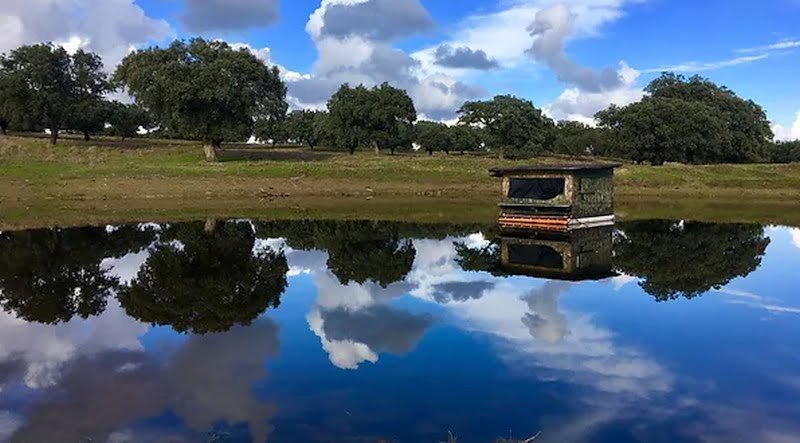
Estepa de los Monegros National Park

Despite its apparent barren landscape this natural area (The future Estepa de los Monegros National Park) is of ​​high ecological value, home to a rich biodiversity and represents one of the best semi-desert areas in all of Europe.

Despite its apparent barren landscape this natural area (The future Estepa de los Monegros National Park) is of ​​high ecological value, home to a rich biodiversity and represents one of the best semi-desert areas in all of Europe. The Sierra de Alcubierre mountain chain crosses the comarca from Northwest to Southeast. Its maximum elevation is … Read more

Related Posts
  1. Coolest Places To Stay In London
  2. Unusual Day Trips From London
  3. Things To Do In London On A Budget
  4. London Expensive
  5. Hidden Places In London
  6. London City Trip Planner
  7. Best Shopping In London England
  8. Transport In London
  9. Best London Neighborhoods For Families
  10. First Trip To London