Why Spain’s Iberian Lynx Rewilding Success Is Now Under Threat

To date, 238 specimens of Iberian lynx have been born in the breeding centres of El Acebuche and Zarza de Granadilla with 150 released in different areas of the Iberian Peninsula.
Introduction: The Iberian Lynx Recovery at Risk

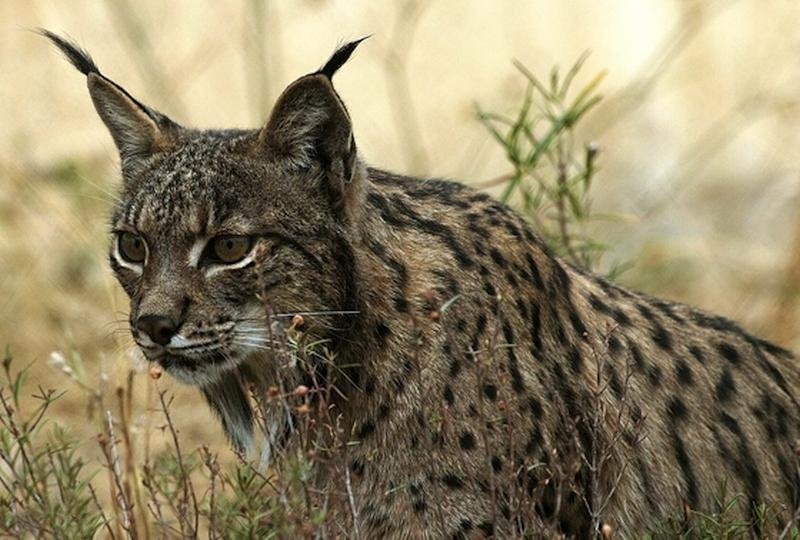
The Iberian lynx (Lynx pardinus) was once the world’s most endangered wild cat, reduced to fewer than 100 individuals in the early 2000s. Thanks to over two decades of conservation work, including habitat restoration and captive breeding, the population has grown to more than 2,000 across Spain and Portugal.

Listen to the podcast about “Why Spain’s Iberian Lynx Rewilding Success Is Now Under Threat”

However, this remarkable recovery is now under threat. Farmers and hunting groups are pressuring regional governments to block further lynx reintroductions, risking decades of progress.

Why Are Farmers and Hunters Opposing the Iberian Lynx?

Read more

Three Iberian Lynx Killed in October on Andalusian Roads

Iberian lynx Mammals of Spain - Reintroducion of Iberian lynx. Wildlife, natural parks and culture in Spain

Three Iberian lynx have been killed on Andalusian roads in just five days (at the end of September and the first week of October.) These incidents have once again highlighted the ongoing threat posed by vehicles, as wildlife campaigners demand more be done to protect the species. Animal rights groups call for urgent action from the Andalusian government to protect these vulnerable cats.

Read more

Twelve Iberian Lynx Cubs Born in Doñana Prepare for Release into the Wild

Iberian lynx cubs 2024

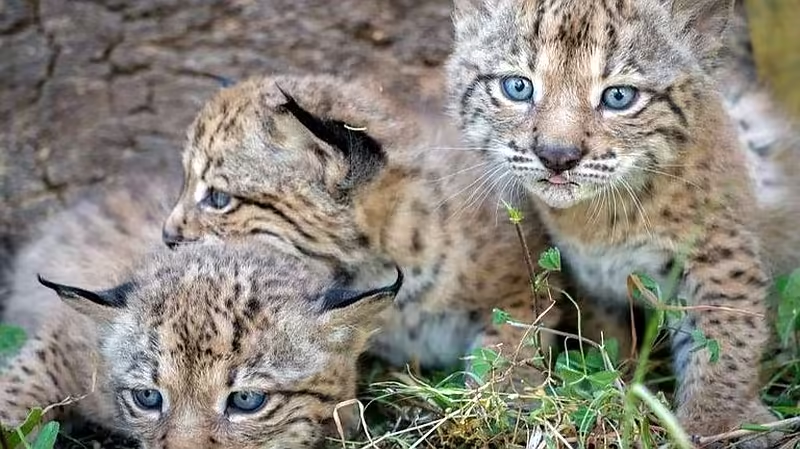
Good news for Iberian lynx conservation efforts. A total of twelve Iberian lynx cubs born, have successfully been raised at the El Acebuche Breeding Centre in Doñana in 2024. This is a significant step in the ongoing efforts to recover the population of this endangered species.

According to the Autonomous Organisation of National Parks (OAPN), the cubs have passed through the critical post-birth phase. This typically lasts between two and four months. They are now preparing for their eventual release into their natural habitat.

Read more

Best Practices Manual for the PirosLife Project: The Restoration of Large Carnivores in Spain

Somiedo Experience

This article is a comprehensive translation from the original Spanish document, “Manuales de buenas prácticas del proyecto PirosLife: La recuperación de grandes carnívoros,” which reflects conservation efforts and data up to 2020.

Unable to find an English-language version, I have translated this excellent resource to ensure it reaches a wider audience. You can see the original Spanish document here.

The Piros life project website that ran from 2014 to 2018 is here.

The document explores the critical role of large carnivores in maintaining ecological balance and the significant initiatives in Spain aimed at conserving and restoring populations of wolves, bears, and lynxes. Through detailed analysis of habitat preservation, conflict mitigation, and successful reintroduction projects, this translation offers valuable insights into the ongoing challenges and opportunities in large carnivore conservation.

Read more