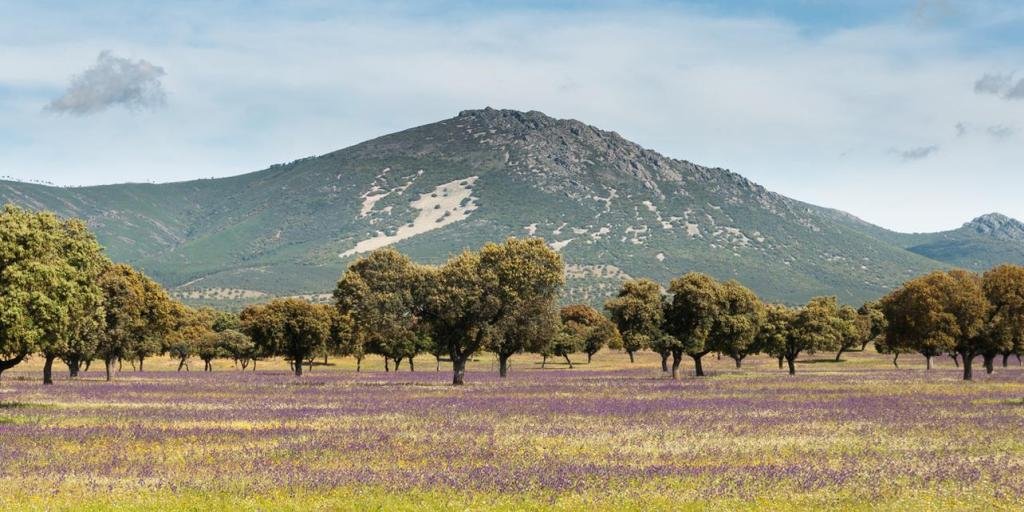
Wildlife holidays in Spain offer the chance to explore one of Europe’s most biodiverse countries. With landscapes ranging from wetlands and forests to deserts and mountains, Spain provides habitats for rare and iconic species. Travelers may spot the Iberian lynx in Andalucía, the brown bear in the Cantabrian Mountains, or the Spanish imperial eagle soaring overhead.
Over 10% of Spain’s land is protected, with national parks such as Doñana, Sierra Nevada, and Ordesa y Monte Perdido safeguarding spectacular scenery and wildlife. These destinations combine nature with culture, allowing visitors to enjoy birdwatching, hiking, and guided tours while experiencing Spain’s rich heritage.
Spain, a land of rich cultural heritage and stunning natural beauty, beckons travelers from around the world. While many are familiar with its vibrant cities and historical landmarks, Spain’s wild side often remains hidden. In this article, we embark on a journey through the wilderness of Spain, exploring its diverse wildlife, captivating geography, and the importance of its protected areas.
The Breathtaking Geography of Spain
Spain’s geography is a testament to nature’s grandeur. From the snow-capped peaks of the Pyrenees in the north to the sun-soaked beaches of the Costa del Sol in the south, Spain offers a striking variety of landscapes.
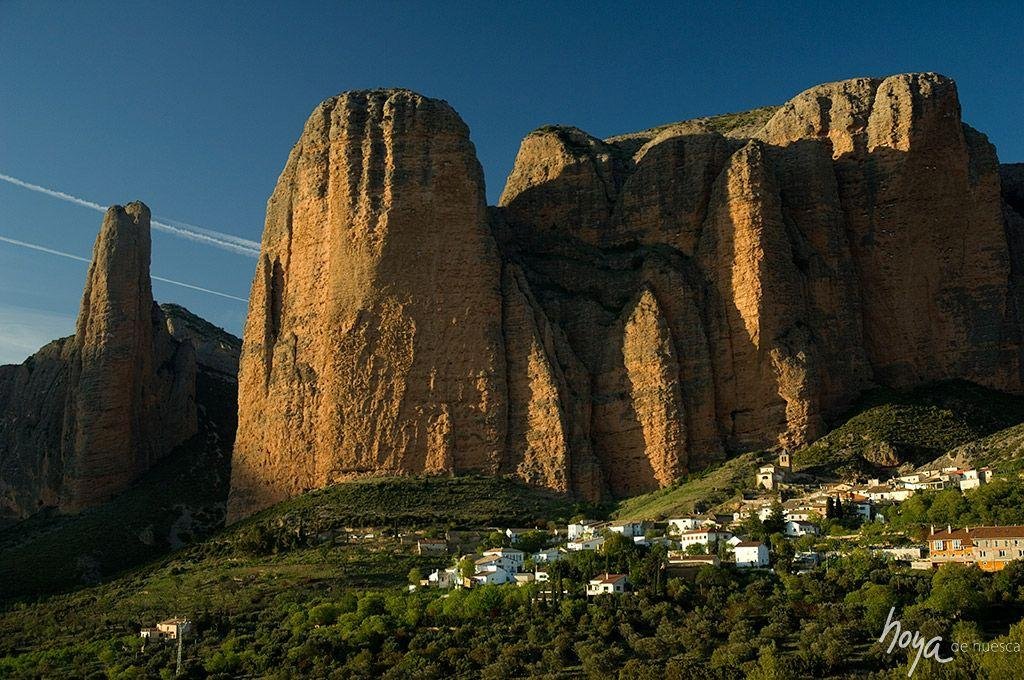
The village of Riglos, a hidden gem in the Hoya de Huesca
Clive Muir – Wildside Holidays – Walking, wildlife and culture holidays in Spain
I’ve been living in western Andalucía for more than 20 years and spend much of my time researching and running English-language travel websites about Spain. My work covers destinations including Cádiz, Ronda, Grazalema and the Caminito del Rey, as well as Wildside Holidays, which focuses on walking, wildlife and nature travel in Spain.
Through Wildside Holidays, I share practical information about Spain’s natural parks, mountains, wildlife and walking destinations, drawing on many years of living and travelling in the country. The aim is to help visitors discover Spain’s natural landscapes responsibly and plan rewarding walking and wildlife experiences.
Welcome to Spain, a land of extraordinary biodiversity! Within its borders lie numerous protected areas, each offering a unique tapestry of landscapes and wildlife. From the stunning wetlands of Doñana National Park to the majestic Sierra Nevada mountains, and the enchanting coastal beauty of Cabo de Gata-Níjar. Let’s embark on a journey exploring Spain’s remarkable protected areas and natural treasures.
Below, you’ll find a list of some my favorite protected areas. Places I go back and revisit whenever I can. Click on the green links to delve deeper into each region’s breathtaking beauty, learn about the unique flora and fauna that call these places home, and immerse yourself in the wonders of Spain’s wildlife wonderland.
Andalucia – Located in the south, this region boasts rich biodiversity with Doñana National Park providing a sanctuary for the elusive Iberian lynx, vibrant flamingos, and playful dolphins. Meanwhile, the Sierra Nevada mountain range offers a glimpse of agile ibex, graceful deer, and majestic golden eagles.
Clive Muir – Wildside Holidays – Walking, wildlife and culture holidays in Spain
I’ve been living in western Andalucía for more than 20 years and spend much of my time researching and running English-language travel websites about Spain. My work covers destinations including Cádiz, Ronda, Grazalema and the Caminito del Rey, as well as Wildside Holidays, which focuses on walking, wildlife and nature travel in Spain.
Through Wildside Holidays, I share practical information about Spain’s natural parks, mountains, wildlife and walking destinations, drawing on many years of living and travelling in the country. The aim is to help visitors discover Spain’s natural landscapes responsibly and plan rewarding walking and wildlife experiences.
Status: Regional Hunting reserve. With its definitive protection status yet to be determined. In recent years, there has been a debate over the proposal to declare this mountain range a natural park, a measure that has been opposed by the residents of the municipalities affected, as they consider it detrimental to their economic interests.
Area: The Sierra de la Culebra covers an approximate total area of 70,000 hectares, of which 61,305 hectares have been designated as a Site of Community Importance (LIC), and 67,340 hectares were declared a national hunting reserve in 1973, later converted into a regional hunting reserve since 1996. It is also part of the “Plan de Espacios Naturales Protegidos de Castilla y León” and is part of the Meseta Ibérica biosphere reserve.
Nearby towns and villages:Pedralba de la Pradería, Puebla de Sanabria, Ferreras de Abajo, Ferreras de Arriba, Ferreruela, Tábara, Manzanal de Arriba, Otero de Bodas, Villardeciervos, Figueruela de Arriba, Mahíde, Riofrío de Aliste
Introduction to the Sierra de Culebra
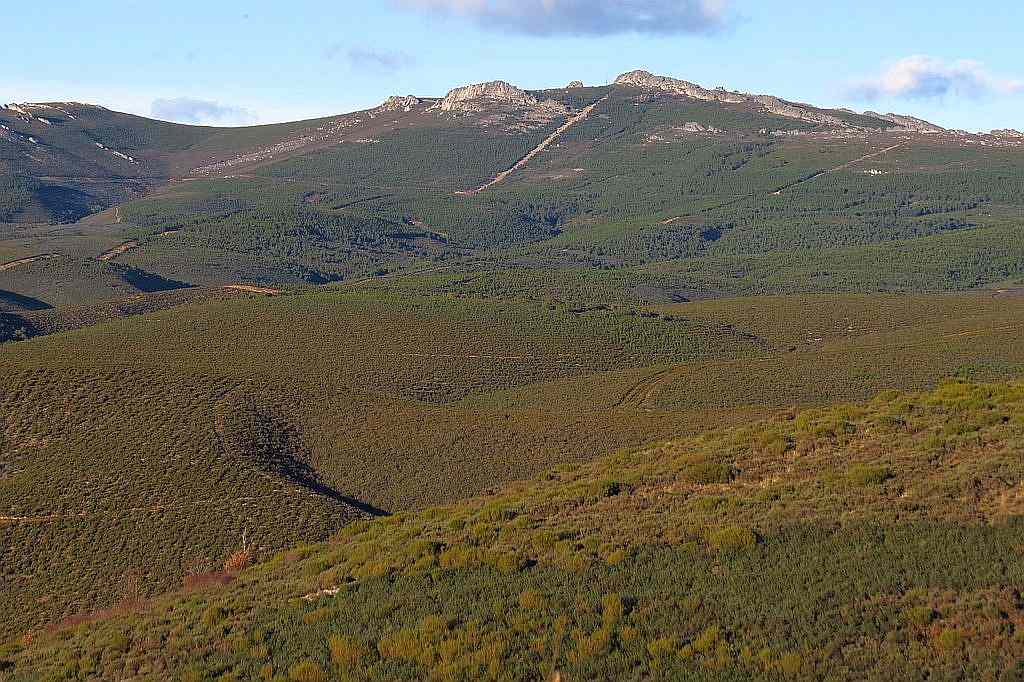
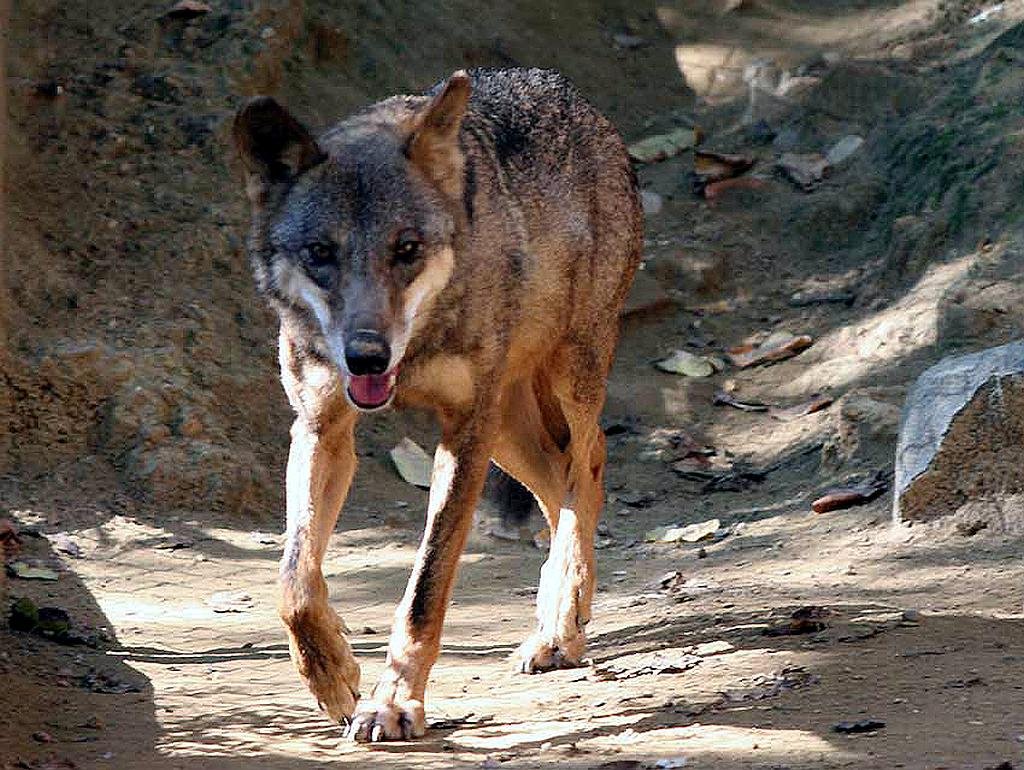
The Sierra de la Culebra is a Spanish mountain range located in the northwest of the province of Zamora and the autonomous community of Castilla y León. It’s main value lies in the large population of Iberian wolf with the highest concentration in Spain. Populations of red deer, roe deer and wild boar are also very significant.
The name of this mountain range is thought to have been inspired by its undulating contours, which bear a resemblance to a snake, hence its name “Sierra de Culebra” (Snake Mountain Range). However, another theory suggests that the name could have stemmed from the historical presence of snake species, including the smooth snake, the horn-nosed viper, and the whip snake.
The area continues across the border and is included in the Portuguese Natural Park of Montesinhos. Its small elevations range from 800 to 1,200 meters in height. Reforestation pine is dominant in the mountains, although native forest masses of oak, Spanish oak, and chestnut are also present. In the scrublands, heather and rockrose are the dominant plants.
The area has also become famous as a starlight destination. The Starlight Foundation is a non-profit organization that was founded in 2009 to promote the protection of the night sky and the development of “astrotourism” and there is an ever growing list of starlight destinations in Spain to visit.
The Sierra de Culebra: A land of wolves.
This mountain range is internationally renowned for being home to one of the most precious faunal treasures and a symbol of conservation efforts—the Iberian wolf. Its vast expanse allows for days of exploration through wide, untouched natural spaces, far from human presence. It stands as one of the premier destinations in Spain for wolf observation.
The best place to see wolves in Spain is in the rolling hills of the Sierra de la Culebra.
Clive Muir – Wildside Holidays – Walking, wildlife and culture holidays in Spain
I’ve been living in western Andalucía for more than 20 years and spend much of my time researching and running English-language travel websites about Spain. My work covers destinations including Cádiz, Ronda, Grazalema and the Caminito del Rey, as well as Wildside Holidays, which focuses on walking, wildlife and nature travel in Spain.
Through Wildside Holidays, I share practical information about Spain’s natural parks, mountains, wildlife and walking destinations, drawing on many years of living and travelling in the country. The aim is to help visitors discover Spain’s natural landscapes responsibly and plan rewarding walking and wildlife experiences.
When it comes to wildlife, Spain stands as one of the top countries in Europe, boasting a remarkable array of landscapes, species, and conservation initiatives. With a remarkable number of UNESCO designated Biosphere Reserves, this country is leading the way in protecting its endangered wildlife, including the majestic brown bear and the elusive Iberian lynx. If you’re seeking a memorable walking holiday that combines the beauty of nature with guided or self-guided exploration, look no further. Here, Discover the breathtaking wildlife of Spain on an unforgettable guided or self guided holiday
Clive Muir – Wildside Holidays – Walking, wildlife and culture holidays in Spain
I’ve been living in western Andalucía for more than 20 years and spend much of my time researching and running English-language travel websites about Spain. My work covers destinations including Cádiz, Ronda, Grazalema and the Caminito del Rey, as well as Wildside Holidays, which focuses on walking, wildlife and nature travel in Spain.
Through Wildside Holidays, I share practical information about Spain’s natural parks, mountains, wildlife and walking destinations, drawing on many years of living and travelling in the country. The aim is to help visitors discover Spain’s natural landscapes responsibly and plan rewarding walking and wildlife experiences.