
A relatively large toad with a total maximum length of about 21cm, though males are rather smaller at 9-10cm and the average female is 15cm. The head is longer than wide, with a short rounded snout, and the area between the eyes is either flat or concave. The tympanum is barely visible, measuring about half the diameter of the eye. The fingers are short, the third being the longest, followed by the the first and then the second and fourth, these latter two being of equal length. There are two tubercles on the palms. The toes are relatively long and flattened.
Dunas de Liencres Natural Park

Points of interest The Dunas de Liencres Natural Park is located at the mouth of the Pas river (Ría de Mogro) close to the town of of Liencres in the central area of the Cantabrian coast. The area is made up of coves, two beaches, a large maritime pine plantation and one of the most … Read more
Oyambre Natural Park
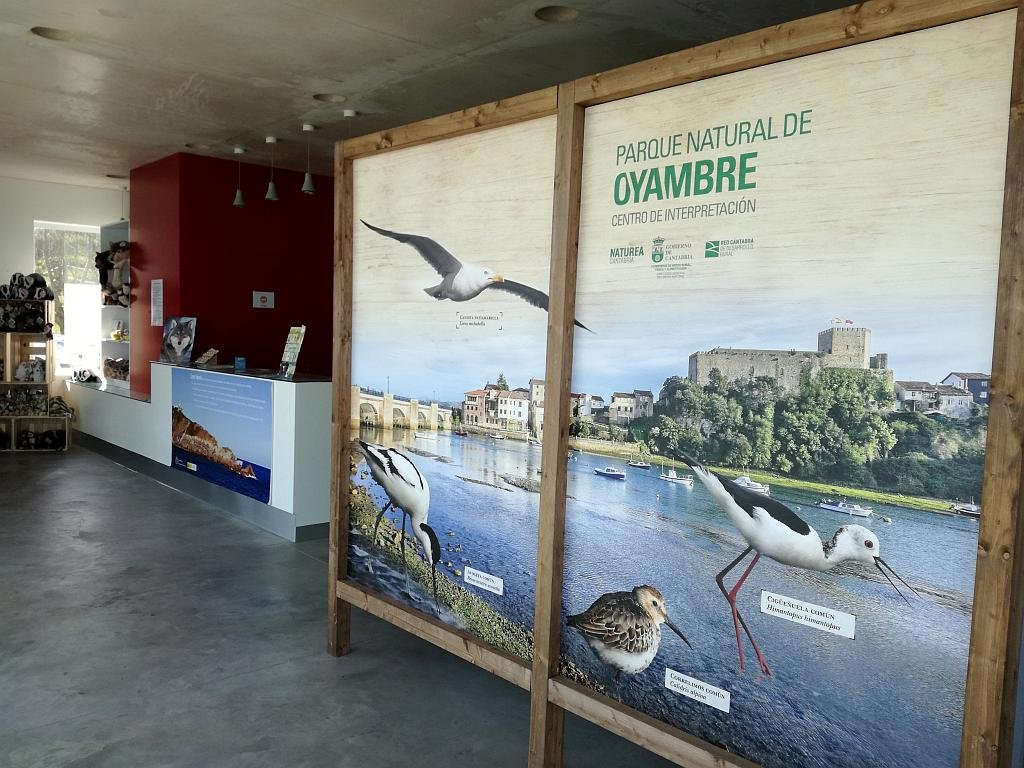
- Region: Cantabria
- Local towns and villages: Comillas, San Vicente de la Barquera, Udías, Valdáliga and Val de San Vicente
- Declared a Natural Park: 1988.
- Park surface area: 5758 hectares.
Points of interest
The Oyambre Natural Park is a Spanish protected natural area located on the western coast of Cantabria. A great success story as the park was declared after pressure from local and international ecologist groups (begining in the the seventies) protesting against urban development projects that endangered its dunes and beach environment.
The natural park, which includes the estuaries of Ría de San Vicente, Ría de la Rabia and its surroundings constitutes a magnificent example of a coastal ecosystem. In addition to cliffs, areas of meadows and native hardwood forests, there are various dune systems which together with those of the Dunas de Liencres Natural Park make up some of the most important dune ecosystems on the Cantabrian coast.
Repopulating Spain with Iberian Bees: The Smart Green Initiative
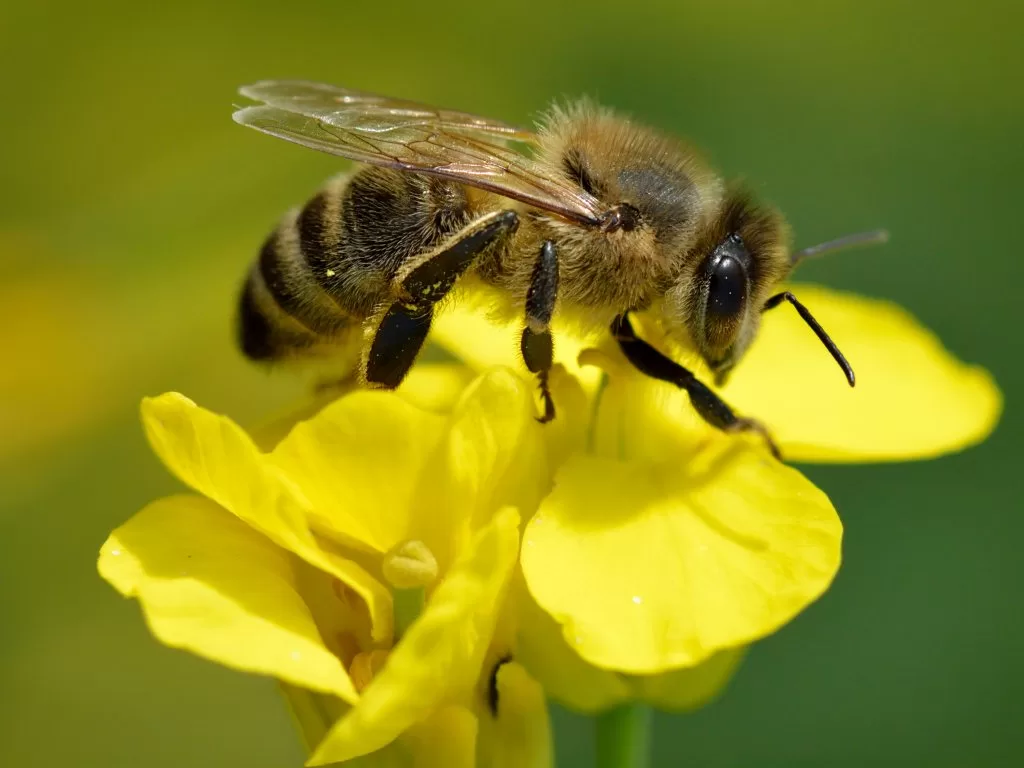
The Spanish bee, or Apis mellifera iberica, is a subspecies of western honey bee native to the Iberian Peninsula and the Balearic Islands. It is a dark-colored bee with low swarming tendency and high vigor, and it adapts well to the region’s climatic and floral conditions.
Despite its somewhat nervous and aggressive behavior, which allows it to defend itself better from predators and parasites, this subspecies is endangered due to several threats. These include the introduction of other foreign breeds, habitat loss, pesticide use, and climate change. The Spanish bee, though, still plays a crucial role as one of the most important pollinators in the region.