Oyambre Natural Park

Oyambre Natural Park
  • Region: Cantabria
  • Local towns and villages: Comillas, San Vicente de la Barquera, Udías, Valdáliga and Val de San Vicente
  • Declared a Natural Park: 1988.
  • Park surface area: 5758 hectares.

Points of interest

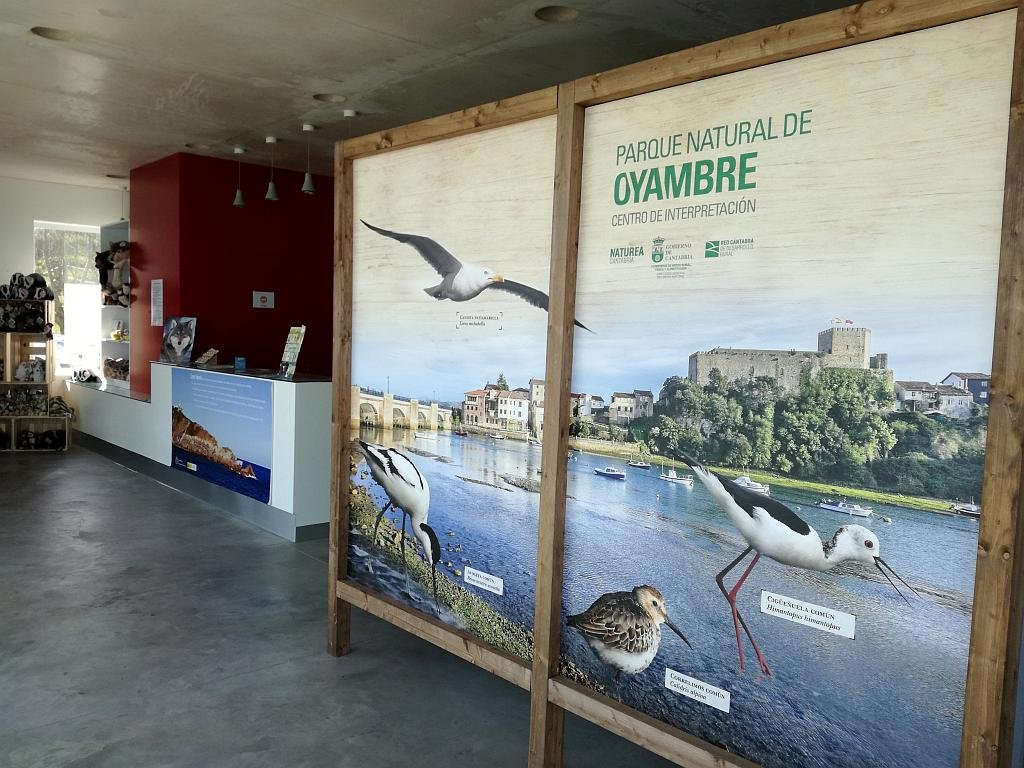
The Oyambre Natural Park is a Spanish protected natural area located on the western coast of Cantabria. A great success story as the park was declared after pressure from local and international ecologist groups (begining in the the seventies) protesting against urban development projects that endangered its dunes and beach environment.

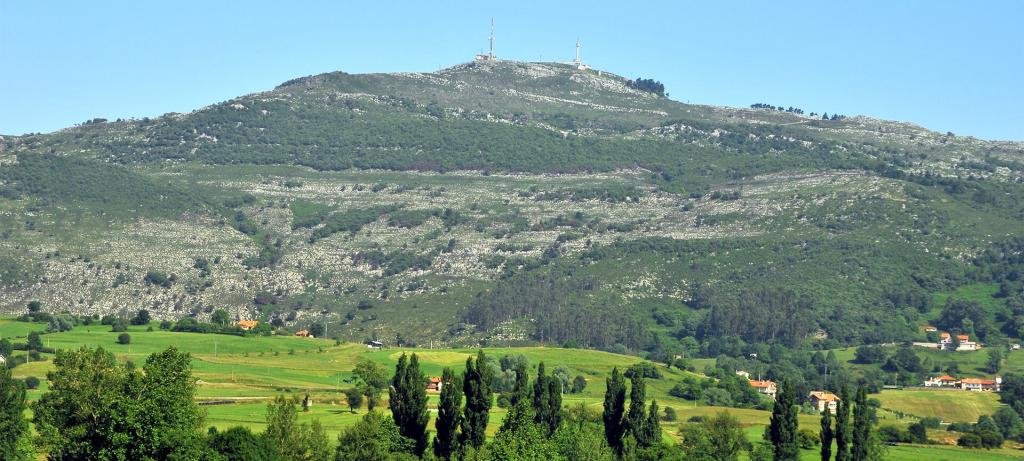
The natural park, which includes the estuaries of Ría de San Vicente, Ría de la Rabia and its surroundings constitutes a magnificent example of a coastal ecosystem. In addition to cliffs, areas of meadows and native hardwood forests, there are various dune systems which together with those of the Dunas de Liencres Natural Park make up some of the most important dune ecosystems on the Cantabrian coast.

Read more

Repopulating Spain with Iberian Bees: The Smart Green Initiative

Repopulating Spain with Iberian Bees: The Smart Green Initiative

The Spanish bee, or Apis mellifera iberica, is a subspecies of western honey bee native to the Iberian Peninsula and the Balearic Islands. It is a dark-colored bee with low swarming tendency and high vigor, and it adapts well to the region’s climatic and floral conditions.

Despite its somewhat nervous and aggressive behavior, which allows it to defend itself better from predators and parasites, this subspecies is endangered due to several threats. These include the introduction of other foreign breeds, habitat loss, pesticide use, and climate change. The Spanish bee, though, still plays a crucial role as one of the most important pollinators in the region.

Read more

Photographing Spain’s Wildlife: Questions and Answers for Wildlife Enthusiasts

Finding wildlife photography hides in Spain

Delve into lesser-known facts about Spain’s exceptional wildlife. For example, the Iberian lynx is the world’s most endangered feline species, with a unique preference for hunting European rabbits. Photographing Spain’s wildlife: Questions and answers for wildlife enthusiasts

The Pyrenean desman, a rare aquatic mammal, is found only in Spain and Portugal’s freshwater habitats, while the Iberian magpie, a striking bird species, is a symbol of the Iberian Peninsula’s avian diversity. Explore these and more intriguing tidbits about Spain’s remarkable fauna, adding depth to your appreciation of its wildlife.

The Pyrenean desman (Galemys pyrenaicus)
The Pyrenean desman, a rare aquatic mammal, is found only in Spain and Portugal’s freshwater habitats
What are the most common animals in Spain?

Read more

Related Posts
  1. Coolest Places To Stay In London
  2. Unusual Day Trips From London
  3. Things To Do In London On A Budget
  4. London Expensive
  5. Hidden Places In London
  6. London City Trip Planner
  7. Best Shopping In London England
  8. Transport In London
  9. Best London Neighborhoods For Families
  10. First Trip To London