- Region: Andalucia
- Provinces: Sevilla, Huelva, Cadiz
- Declared a Natural Park: 1969 reclassified in 1978
- In1963 WWF and the Council of Scientific Research bought land (6,794ha) and set up a research station
- In 1994 it became a UNESCO World Heritage Site
- Natural Park surface area: 54,200
- National Park surface area: 50,720 hectares – Total area: 77,260ha:
- World Heritage and Special Bird Protection Areas: 50,720ha.
- National Park and Ramsar site; buffer zone 26,540ha.
Towns and Villages
- Huelva: Almonte, El Rocio, Hinojos, Bollullos Par del Condado, Rociana del Condado, Bonanes y Lucena del Puerto, Palos de la Frontera, Moguer, La Puebla del Río and the Isla Mayor
- Sevilla: Aznalcázar, Pilas y Villamanrique de la Condesa.
- Cádiz: Sanlúcar de Barrameda
Points of interest
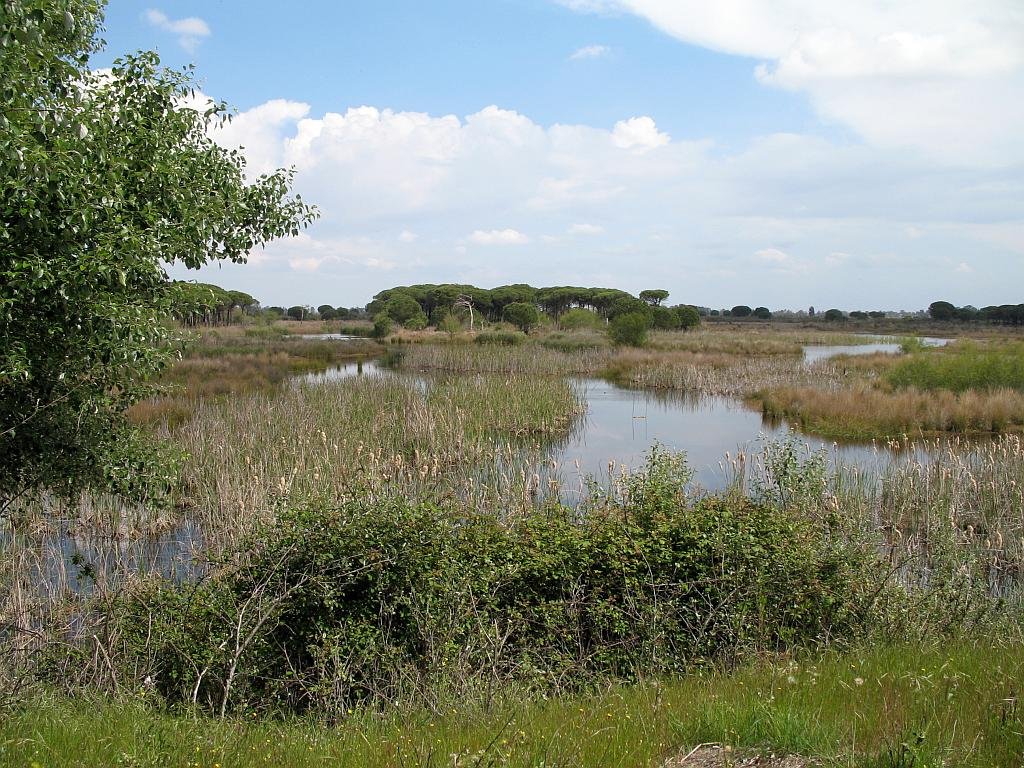
The Doñana National and Natural Parks occupy the northern area of the Guadalquivir river where it meets the Atlantic Ocean. Six thousand years ago it would have been a wide estuary, but this has mostly been closed off by a long, natural sand bar. This in turn created a large saline lake which gradually collected silt leaving a huge wetland area with lagoons, marshlands and semi-permanent sand dunes.

Clive Muir – Wildside Holidays – Walking, wildlife and culture holidays in Spain
I’ve been living in western Andalucía for more than 20 years and spend much of my time researching and running English-language travel websites about Spain. My work covers destinations including Cádiz, Ronda, Grazalema and the Caminito del Rey, as well as Wildside Holidays, which focuses on walking, wildlife and nature travel in Spain.
Through Wildside Holidays, I share practical information about Spain’s natural parks, mountains, wildlife and walking destinations, drawing on many years of living and travelling in the country. The aim is to help visitors discover Spain’s natural landscapes responsibly and plan rewarding walking and wildlife experiences.