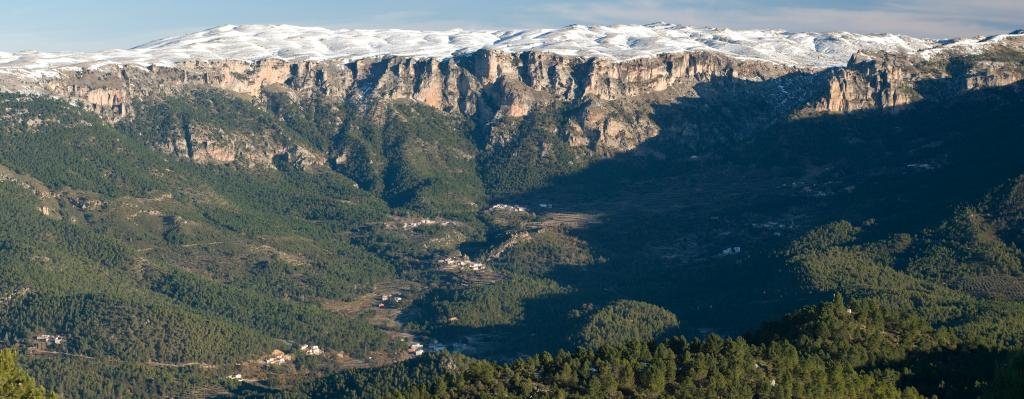
The Serranía de Cuenca Natural Park

The Serranía de Cuenca Natural Park
  • Region: Castilla la Mancha
  • Province: Cuenca
  • Declared a Natural Park: 2007
  • Park surface area: 73,726 hectares
  • Towns and villages: Arcos de la Sierra, Beamud, Cuenca, Huélamo, Portilla, Tragacete, Uña, Valdemeca, Villalba de la Sierra, Zafrilla.

Points of interest

A landscape shaped by water

The Serranía de Cuenca Natural Park lies in the northeastern part of Cuenca province, within a much larger mountain region that extends into the neighbouring provinces of Guadalajara and Teruel. The protected park forms part of a landscape known for its unusual geological features, dramatic gorges, limestone plateaus and extensive forests.

Much of this distinctive scenery has been shaped by water acting on limestone and dolomite over millions of years. This process, known as karst erosion, gradually dissolves the rock, creating an extraordinary variety of natural formations, including caves, sinkholes, underground drainage systems and sculpted rock landscapes.
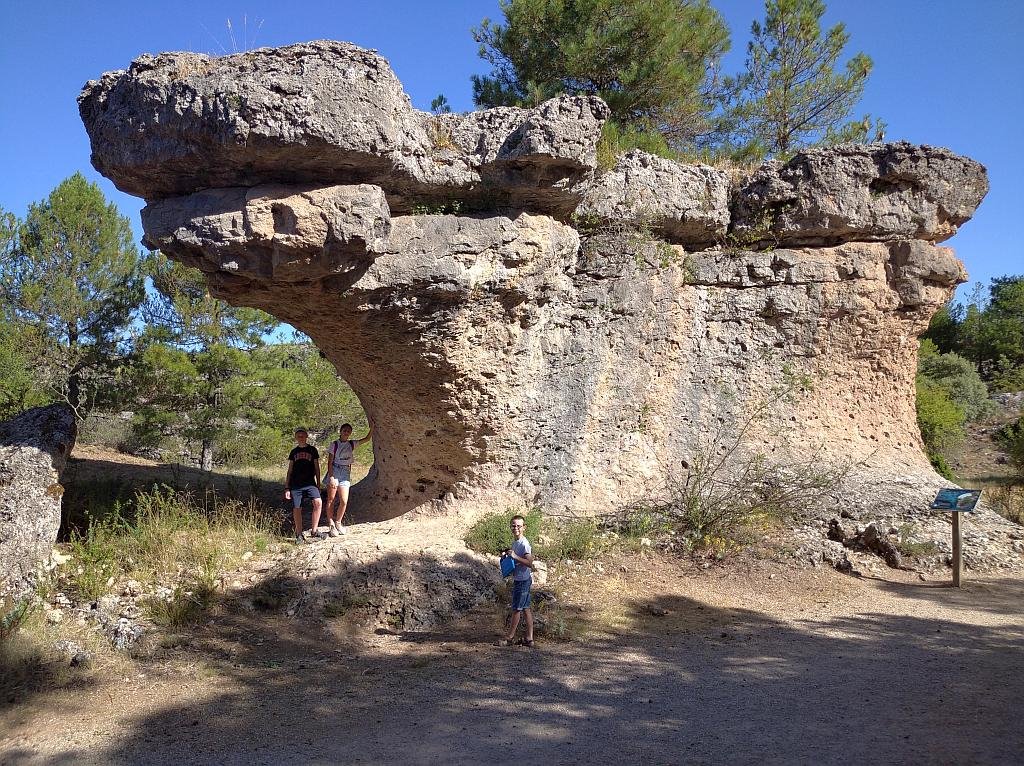
Los barcos at the Ciudad Encantada
The rock formations at the Ciudad Encantada are enormous, and it’s difficult to appreciate their true scale without someone standing alongside them. Here are my children beside Los Barcos (The Boats).

Read more

Calares del Rio Mundo y de la Sima Natural Park

Calares del Rio Mundo y de la Sima Natural Park
  • Region: Castilla la Mancha
  • Province: Albacete
  • Declared a Natural Park: 2005
  • Park surface area: 19,192 hectares
  • Place of Community Importance (SCI)
  • Special Protection Area for Birds (ZEPA)
  • Towns and villages: Yeste, Cotillas, Molinicos, Riópar, Víanos, Villaverde del Guadalimar and Veste

Points of interest

A mountainous terrain, the Calares del Rio Mundo y de la Sima Natural Park is marked by several watercourses that have eroded and created karst landscapes of great beauty across the Sierra de Alcaraz, Campo de Montiel and the Sierra del Segura . This park is close to the neighboring Natural Park of the Sierras de Cazorla, Segura and Las Villas in Andalucia.

The Mundo river is well known for its picturesque source. The river originates from a cave in the middle of a tall cliff and forms a waterfall with a height of almost 100 meters. Subsequently, it forms a series of smaller cascades and pools.

The area has also become famous as a starlight destination. The Starlight Foundation is a non-profit organization that was founded in 2009 to promote the protection of the night sky and the development of “astrotourism” and there is an ever growing list of starlight destinations in Spain to visit.

Read more

Lagunas de Ruidera Natural Park

Lagunas de Ruidera Natural Park
  • Region: Castilla la Mancha
  • Province: Albacete and Ciudad Real
  • Towns and villages: Argamasilla de Alba, Ruidera, Alhambra, Ossa de Montiel and Villahermosa.
  • Declared a Natural Park: 1979
  • Park surface area: 3,772 hectares
Points of interest

The Lagunas de Ruidera Natural Park acts as a buffer zone to the Tablas de Daimiel National Park and It consists of a complex lagoon system made up of fifteen lagoons, which over 30 kilometers constitute the Alto Guadiana valley and in its highest part the source of the Guadiana river.

A lot of activities are available in the area such as hiking, diving, kayaking, paddle surfing, sailing, etc. There are bathing areas during the summer, and good places for sport fishing (See below)

Read more

Alto Tajo Natural Park

The Alto Tajo Natural Park is famous for its canyons and gorges formed by the river Tagus and its tributaries
  • Region: Castilla la Mancha
  • Province: Cuenca and Guadalajara
  • Declared a Natural Park: 2000 and now is inside the Molina-Alto Tajo global geopark limits
  • Park surface area: 174,545 hectares
Points of interest

The Alto Tajo Natural Park located between the southeast of the Guadalajara province and the northeast of Cuenca is famous for its canyons and gorges formed by the river Tagus and its tributaries. (The most extensive river gorge system in the region and one of the most important in Spain, with a great geological, botanical and fauna diversity.

Alto Tajo Natural Park

Read more