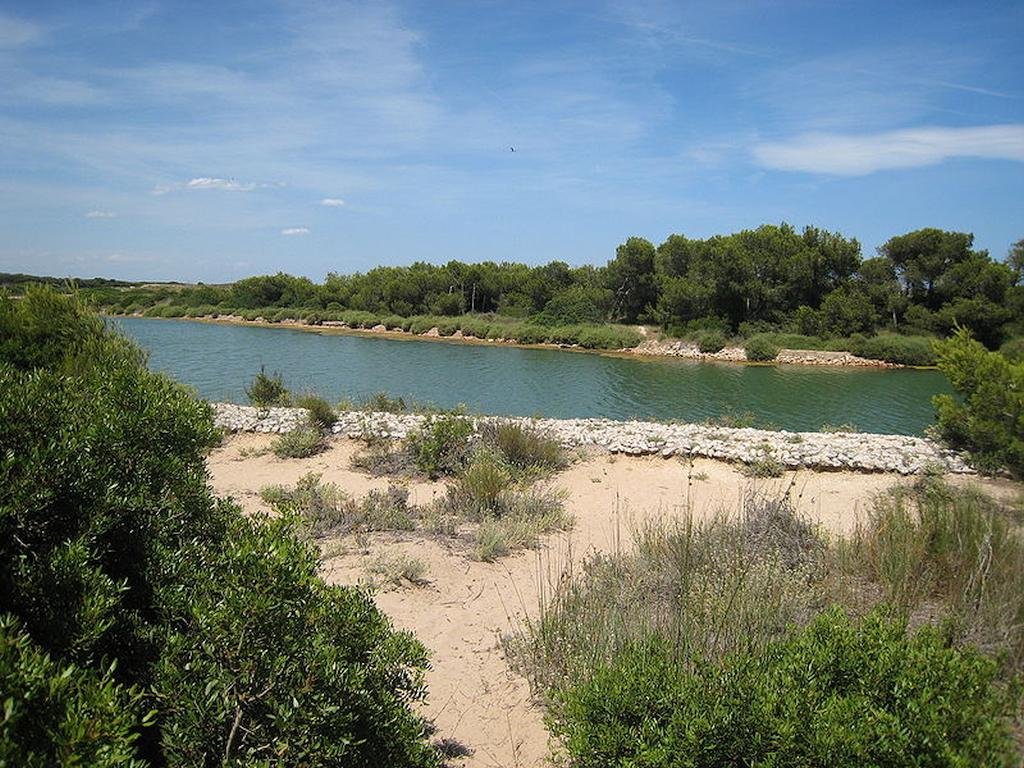
Wildlife and walking holidays in the Valencian Community
- Capital: Valencia.
- Area: 23,255 km²
- Provinces 3: Castellón, Valencia, Alicante

The Valencian Community combines more than 500 kilometres of Mediterranean coastline with mountain ranges that rise steeply inland, creating an impressive variety of landscapes within a relatively compact region.
From the bird-rich wetlands of L’Albufera to the dramatic gorges of Hoces del Cabriel and the coastal cliffs of Sierra Helada, it offers some of eastern Spain’s finest walking and wildlife experiences.
With 21 protected natural areas, the region has one of Spain’s densest networks of natural parks.
Its landscapes range from salt marshes and freshwater lagoons to cork oak woodland, Aleppo pine forests and rugged limestone sierras, making it an excellent destination for birdwatchers, hikers and nature photographers.
Mountains, wetlands and Mediterranean landscapes
The highest peak in the Valencian Community is El Calderón at 1,837 metres, part of the Sistema Ibérico mountain range. Deep river valleys shelter endemic plant species, while coastal wetlands and salt marshes provide important habitats for migratory birds and specialist flora.
The region is also a leader in plant conservation, with around 200 botanical micro-reserves helping protect rare species such as Cistus heterophyllus subsp. carthaginensis and Silene diclinis, giving the Valencian Community one of Spain’s most innovative approaches to preserving its unique flora.
Activities from Get Your Guide
The Valencian Community is at its best when you combine its natural landscapes with its cultural highlights. From a peaceful boat trip across L’Albufera’s bird-rich lagoon to a traditional flamenco performance in Valencia, these experiences complement the region’s walking trails, wetlands, historic towns and Mediterranean coastline. Whether you’re looking for wildlife, local food or iconic landmarks, they’re an easy way to explore more of the region.
Find a hotel in the Valencian Community
The Valencian Community has accommodation to suit every kind of trip, whether you’re planning a city break in Valencia, a coastal escape on the Costa Blanca, or a walking holiday close to one of the region’s natural parks.
My favorite place to stay is Requena. It’s close to the Hoces del Cabriel Natural Park—the largest protected area in the Valencian Community. Requena offers charming hotels, stylish rural stays, and guesthouses full of character. Whether you’re after wine, walking trails, or a peaceful base, this historic town has plenty of great places to rest.
The flood disaster of 2024
In late October 2024, the Valencian Community experienced one of the most devastating natural disasters in its modern history. An intense DANA (Depresión Aislada en Niveles Altos) brought exceptional rainfall that caused catastrophic flooding across Valencia and neighbouring provinces.
The disaster claimed hundreds of lives, left many people missing, and prompted one of Spain’s largest recent emergency responses as military personnel joined local rescue teams to reach isolated communities and deliver essential supplies.
The event highlighted both the vulnerability of Mediterranean regions to extreme weather and the resilience of the communities affected.
Tours in the Valencian Community from Viator
The Valencian Community offers far more than Valencia city alone. From historic towns and mountain villages to coastal walks, wine country and Mediterranean landscapes, organised tours can be an easy way to experience some of the region’s highlights while leaving the practical arrangements to local operators.
Natural Parks in the Valencian Community

The Valencian Community has one of Spain’s richest networks of protected landscapes, with 21 natural parks covering everything from bird-rich wetlands and Mediterranean coastline to limestone mountains, volcanic islands and deep river gorges.
Rather than trying to cover every park in detail on one page, this guide provides an overview of the region’s standout landscapes, with dedicated guides linked below for each protected area.
Whether you’re interested in birdwatching at L’Albufera, walking through Hoces del Cabriel, climbing Penyagolosa, or exploring coastal parks like Sierra Helada, you’ll find a gateway to each destination here.
1. Located at the foot of the Massif de los Puertos de Tortosa-Beceite the wild and mountainous environment of the Tinença de Benifassá Natural Park is located in the extreme north of the province of Castellón, bordering the Catalan regions of the Ports of Tortosa and the Aragonese of La Matarraña.
2. The Sierra de Irta Natural Park (in Valencian Parc Natural de la Serra d’Irta) is located in the Baix Maestrat region at the northern end of the province of Castellón.
3. The Desert de les Palmes Natural Park (Parque Natural del Desierto de las Palmas) is located in the southeastern area of the province of Castellón and has suffered several damaging fires over the last few decades (last major fire 1992) leaving it relatively lacking in wild forested areas but it is in a in a steady process of regeneration
4. The Prado de Cabanes -Torreblanca Natural Park (in Valencian, Parc Natural del Prat de Cabanes-Torreblanca) consists of an area of wetlands separated from the sea by a natural dam of gravels and sandy marshes. the area is popular with birdwatchers for the various species of waterfowl present.
5. The Islas Columbretes Natural and Marine Reserve is located about 30 miles from the coast of Castellón de la Plana and is formed by the four groups of volcanic origin islets of l’Illa Grossa, la Ferrera, la Foradada and Carallot.
6. The Impressive and imposing summit of Penyagolosa at 1,814 metres with its immense panorama of the Castellón region and neighboring lands of Aragón is known as the “magical mountain”, an emblem of Castellón and is one of the references of Valencian natural and cultural heritage. The peak of the Macizo Penyagolosa Natural Park can be seen from all over La Plana and even from inland regions such as Alto Palancia.
7. In the Sierra de Espadán Natural Park There are many well signposted hiking routes and the area of the Benitandús Reservoir is popular due to the Órganos de Benitandús (imposing rock formations reminiscent of the shape of a church pipe organ)
8. Among all the peaks of the mountain range of the Sierra Calderona Natural Park, undoubtedly the most visited is Garbí, between the municipalities of Serra, Estivella and Albalat de Taronchers from where there are beautiful panoramic views over the regions of Huerta Norte and Campo de Murviedro.
9. The largest protected area in the Valencian Community, the Hoces del Cabriel Natural Park (in Valencian Parc Natural de les Gorges del Cabriol) can be found where the Cabriel river acts as the natural boundary between the regions of Castilla la Mancha and the Valencian Community. On the Castilla la Mancha side the area is known as the Hoces de Cabriel Nature Reserve. However, both now are also a part of the Valle del Cabriel Biosphere Reserve which was declared by UNESCO in 2019
10. L’Albufera de València Nature Park and lagoon. Beaches, dunes, forest, rice fields, the lagoon… these Mediterranean eco-systems are amazing biodiversity hotspots. L’Albufera de València Nature Park and lagoon is located 11 kilometres south of Valencia.
11. Marjal de Pego Oliva Natural Park. The mountains, Serra de Mostalla, to the north and Serra de Segària to the south are mainly limestone. This allows water to drain freely, therefore feeding the reed beds, pools, scrub land, rice fields, citrus orchards and livestock grazing. The park, which is shared between Valencia and Alicante, attracts a varied list of bird species and many ornithologists enjoy the area for photography.
12. The Macizo del Montgó Natural Park (in Valencian Parc Natural del Massís del Montgó ) is located in the northeast of the province of Alicante between the towns of Denia and Jávea. This mountainous area rises steeply from the coast and dominates the skyline for miles around and is famous for its cliffs, caves and natural harbours.
13. The smallest protected area in Spain, the Peñón de Ifac Natural Park (Penyal d’Ifac) is a massive limestone outcrop emerging from the sea to a height of 332 metres next to the town of Calpe.
14. The Sierra Helada Natural Park (Serra Gelada) and its coastal environment is located within the Marina Baixa region between the bays of Benidorm and Alfàs-Altea. It was the first combined land and maritime park to be declared in the Valencian Community as a singular example of a coastal mountainous ecosystem formed by an impressive relief that rises abruptly on its coastline with cliffs of over 300 metres.
15. In the Carrascar de la Font Roja Natural Park there are some exclusive endemisms such as the Mariola salvia (Salvia blancoana ssp mariolensis) and others with a very limited distribution area including Candytuft (Iberis carnosa ssp hegelmaieri), Valencian pea (Lathyrus tremolsianus), saxifraga (Saxifraga corsica ssp cossoniana) and “Pebrella” (Thymus piperella) a variety of wild thyme which grows in the mountains of the north of Alicante and south of Valencia. (The flavour is similar to a combination of thyme, oregano and savoury and it is used mainly with meat dishes.)
16. In the Sierra de Mariola Natural Park many herbs grow wild on the mountainside and have been collected and used for perfumery, gastronomic and medicinal purposes over centuries. One of the traditional crafts kept alive is the distillation of these herbs to make alcoholic beverages.
17. The Salinas de Santa Pola Natural Park (Salines de Santa Pola in Valencian) is located in the Bajo Vinalopó region in the south of the province of Alicante and this wildlife habitat is a excellent example of human industry and nature symbiosis since its formation is due to the development of the extraction activity of the Bras del Port maritime salt pans that began to produce salt by solar evaporation of sea water in the early 1900’s.
18. In the Lagunas de la Mata y Torrevieja Natural Park Salt extraction has been in operation here since the 13th century and continues to present day so for this reason, much of the protected area is closed to the general public. (There are, however, good access points, footpaths and observatories for birdwatching)
19. Fed by the waters of the rivers Segura and Vinalopó, the area of El Hondo Natural Park is included in the Ramsar convention list of protected wetlands and as a Special Protection Area under the European Union Directive on the Conservation of Wild Birds.
20. In the the Puebla de San Miguel Natural Park there are abundant fossil remains including dinosaurs and marine species from the Cretaceous period whilst the town of Puebla de San Miguel has an excellent ethnographic museum.
20. The Turia Natural Park has some important elements of geological and historical heritage. Among them are sites from the Bronze Age (Poblado de la Loma de Betxí) and, from the Visigothic period the fortified fortress of Valencia la Vella. There is also a great architectural infrastructure made up of dams, ditches, aqueducts and reservoirs that have been in use for many years in order to take advantage of the water flow for agriculture.
21. The Sot de Chera Natural Park is the headquarters of the first geological park in the Valencian Community and this is the main reason for a visit to this area. Many examples of geologic structures that that are normally seen only in books can be found here such as strata, faults, folds, travertine formations and fossils. The geological structure of a rift valley is exemplarily represented and covers 70 square km showing geological structures and landforms that have developed during the last 150 million years.
Wildlife and Walking Holidays in the Valencian Community: Frequently Asked Questions
The Valencian Community, located on Spain’s eastern coast, spans 23,255 km² and includes the provinces of Castellón, Valencia, and Alicante. The region features a 500-kilometre coastline where mountains often rise steeply from the sea. Its highest peak, El Calderón (1,837 metres), is part of the Sistema Ibérico range. The landscape includes sierras covered in Holm oak, Cork oak, and Aleppo pine. Deep river valleys support endemic plants, while salt marshes and coastal zones provide habitats for specialist flora. Citrus groves dominate much of the countryside.
To safeguard its endemic flora, the region is designating up to 200 micro-reserves. These areas help protect species like Cistus heterophyllus subsp. carthaginensis and Silene diclinis, both unique to this part of Spain. The initiative reflects strong local commitment to biodiversity conservation.
Citrus agriculture and coastal tourism are key economic drivers. The inland plains support expansive citrus groves, while the Costa Blanca’s beaches draw millions of visitors each year. Together, agriculture and tourism shape the region’s economy and land use.
The Valencian Community has over 20 protected natural areas. Here are highlights:
L’Albufera Natural Park: Wetlands, pine forests, and a large freshwater lagoon south of Valencia attract migratory birds.
Hoces del Cabriel Natural Park: The largest park, straddling the Cabriel River, forms part of a UNESCO Biosphere Reserve.
Sierra de Espadán and Sierra Calderona: Offer extensive hiking trails and dramatic rocky landscapes.
Penyagolosa Natural Park: Features the “magic mountain” (1,814 metres) and panoramic views over Castellón.
Montgó and Sierra Helada Parks: Rise sharply from the sea, showcasing unique coastal mountain ecosystems.
Peñón de Ifac Natural Park: Spain’s smallest protected area—332 metres of limestone towering above the sea near Calpe.
Salinas de Santa Pola & Torrevieja: Salt flats that demonstrate a balance between industry and nature, supporting many bird species.
Carrascar de la Font Roja & Sierra de Mariola: Rich in aromatic and medicinal herbs, still used today in traditional liqueurs.
Sot de Chera Natural Park: Known for its rift valley geology and exposed strata, folds, and travertine formations.
Many parks are ideal for hiking, birdwatching, or learning about local flora and geology.
In October 2024, a severe DANA storm caused catastrophic flooding across the Valencian Community. Torrential rains led to hundreds of deaths and missing persons. Emergency crews and armed forces worked to rescue isolated residents and deliver essential supplies. This disaster remains one of the region’s most serious recent crises.
Wildside Holidays promotes eco-tourism through walking and wildlife holidays. It provides information on Natural Parks, flora and fauna, and links to guided tours and accommodation. Partners like Get Your Guide and Booking.com help visitors plan their trips. Requena, near Hoces del Cabriel, is a recommended base for nature lovers, known for its charm, wine, and trail access.
Yes. Wildside Holidays offers detailed information for all of Spain’s autonomous communities. These include Andalucía, Aragón, Catalonia, Asturias, and the Canary Islands, among others. The site connects travelers to sustainable tourism providers across Spain, helping plan walking holidays and nature-focused getaways from coast to mountains.
Wildside Holidays offers practical planning tools, such as regional guides, hotel links, and curated activity ideas. The site supports identification and conservation awareness through blogs and partner links like Ronda Today, Visiting Cádiz, the Caminito del Rey and The Grazalema Guide. Whether you’re a hiker or a wildlife photographer, the platform helps connect you to trusted local experiences.
The Valencian Community has several outstanding birdwatching destinations. L’Albufera Natural Park is famous for its lagoon and migratory birds, while Salinas de Santa Pola, El Hondo, and Marjal de Pego-Oliva attract flamingos, herons, waders and many other wetland species throughout the year.
About the author of this article.
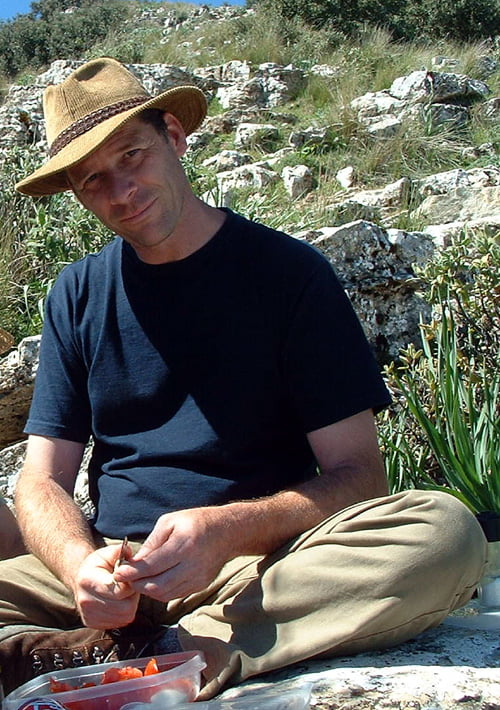
Clive Muir – Wildside Holidays – Walking, wildlife and culture holidays in Spain
I’ve been living in western Andalucía for more than 20 years and spend much of my time researching and running English-language travel websites about Spain. My work covers destinations including Cádiz, Ronda, Grazalema and the Caminito del Rey, as well as Wildside Holidays, which focuses on walking, wildlife and nature travel in Spain.
Through Wildside Holidays, I share practical information about Spain’s natural parks, mountains, wildlife and walking destinations, drawing on many years of living and travelling in the country. The aim is to help visitors discover Spain’s natural landscapes responsibly and plan rewarding walking and wildlife experiences.