Walking and wildlife holidays in Catalonia
- Capital: Barcelona
- Area: 32,114 km²
- Provinces 4: Lleida, Girona, Barcelona, Tarragona
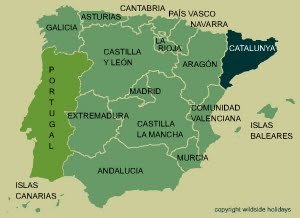
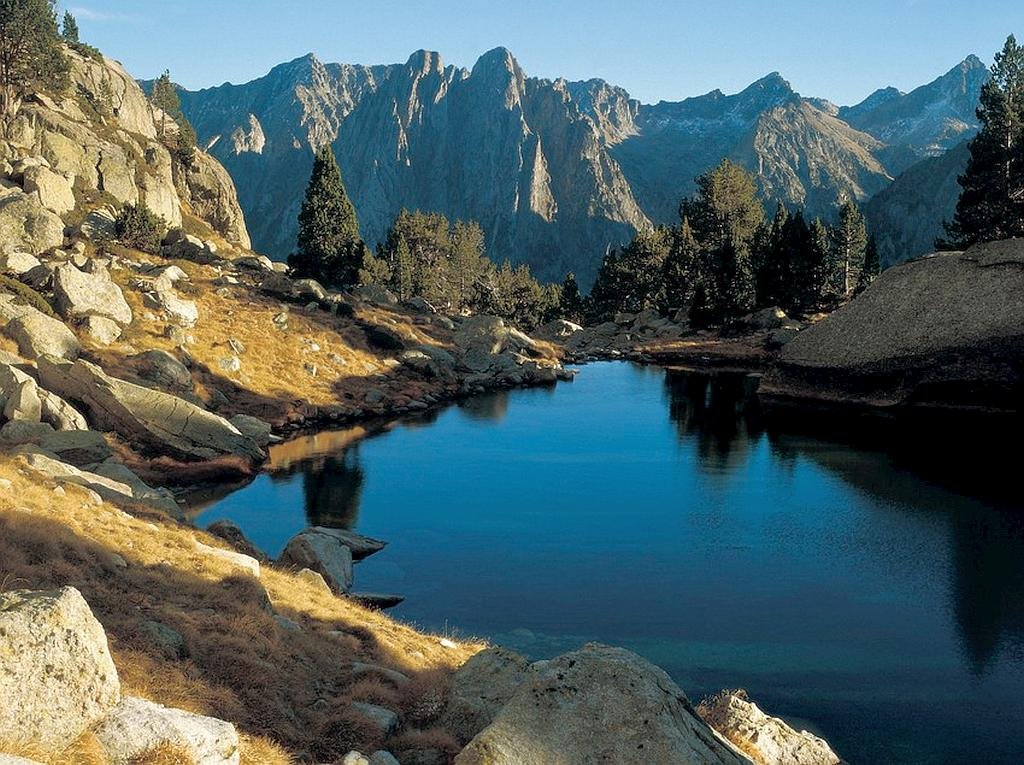
Catalonia (Catalunya in Catalan) lies in northeastern Spain, stretching from the high peaks and valleys of the Pyrenees to the Mediterranean coast. This varied geography creates a remarkable range of habitats, from alpine meadows and mountain forests to wetlands, steppe and coastal landscapes. For walkers and wildlife enthusiasts, the region offers an unusually broad choice of places to explore, with protected areas spread across its four provinces.
Catalonia’s plant life varies considerably with altitude and climate, ranging from alpine vegetation in the Pyrenees to Mediterranean woodland and scrub closer to the coast. Beech, holly, juniper, cork oak and strawberry trees can all be found in different parts of the region. Wildlife includes wild boar, foxes, badgers, genets, beech martens and dormice, while the protected Hermann’s tortoise is another notable species found in Catalonia.
In northeastern Catalonia, the La Garrotxa volcanic landscape combines woodland, farmland and protected areas around one of the region’s most distinctive geological environments. The area has both Mediterranean and Atlantic influences, particularly at higher elevations where greater rainfall supports lush vegetation. The La Garrotxa Volcanic Zone Natural Park protects around 40 extinct volcanic cones and their surrounding forests and countryside.
West of Lleida, the landscape becomes drier and more open, with steppe habitats extending into Catalonia from neighbouring Aragón. These plains support wildlife adapted to dry conditions, including the little bustard, a notable species of Spain’s steppe environments.
Catalonia’s Mediterranean coastline includes the well-known Costa Brava in the north and Costa Daurada further south. Beyond the beaches and coastal resorts, these areas include rocky shores, coastal woodland, wetlands and other habitats that add another dimension to Catalonia’s wildlife and walking opportunities.
Find a hotel at a natural park in Catalonia
The Parador de Cardona occupies a remarkably preserved medieval castle overlooking the town of Cardona. The 9th-century fortress includes historic stonework and a Romanesque church, while its position provides views across the surrounding countryside. The hotel is also close to Cardona’s famous salt mountain, making it an interesting base for exploring the area’s natural and historical attractions.
Tours in Catalonia from Viator
Catalonia has a wide range of attractions and experiences to explore, from historic sites in Barcelona to activities in the region’s mountains and countryside. The selection below highlights some of the tours currently available through Viator. We receive a small commission if you book through these links, at no extra cost to you, which helps us keep Wildside Holidays up to date.
Natural parks in Catalonia
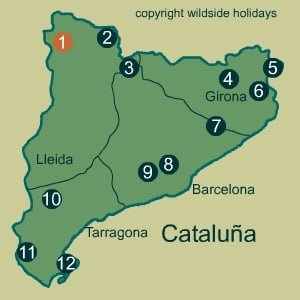
Catalonia’s protected landscapes range from the high Pyrenees to Mediterranean wetlands and coastal habitats. The Ebro Delta in the south of the region is particularly important for wildlife, forming one of the western Mediterranean’s major coastal wetlands and an important stopover for migratory birds.
Its combination of lagoons, rice fields, reed beds and coastal habitats makes it one of Catalonia’s most significant areas for birdwatching and nature.
Protected areas in Catalonia
- Aiguestortes National Park is the only protected area in Catalonia with National Park status. Located in the central Pyrenees, it covers parts of four regions — Alta Ribagorça, Pallars Sobirà, Pallars Jussà and Val d’Aran — in the province of Lleida.
- Alt Pirineu Natural Park is the largest natural park in Catalonia and occupies a substantial area of the Catalan Pyrenees between Val d’Aran and Andorra. The park protects a varied mountain landscape, while the surrounding towns and villages provide access to the area without being included within the park itself.
- Cadí Moixeró Natural Park combines mountain scenery with the historic character of the surrounding settlements. The medieval walls and porticoed square of Bagà, the Gothic church and defensive towers of Bellver de Cerdanya, and the traditional rural architecture of many local villages add cultural interest to walking in the area.
- La Garrotxa Natural Park protects one of Catalonia’s most distinctive volcanic landscapes. The park lies within the Olot volcanic field and contains around 40 extinct volcanic cones, including Croscat, whose last eruption took place around 11,000 years ago. Woodland, farmland and volcanic terrain combine to create a particularly varied landscape for walking and exploring.
- Cabo de Creus Natural Park occupies the rugged peninsula and headland at the northeastern tip of the Iberian Peninsula. The park was the first maritime-terrestrial protected area created in Catalonia and combines unusual coastal geology with Mediterranean vegetation and marine habitats.
- Aiguamolls de L’Empordà Natural Park protects an important wetland landscape containing dune systems, marshes, freshwater ponds, rice fields and reed beds. Its three nature reserves — Les Llaunes, Els Estanys and Illa de Caramany — support exceptional birdlife, with more than 300 species recorded and almost 100 species known to nest in the area.
- Montseny Natural Park lies around 50 kilometres from Barcelona and is the oldest natural park in Catalonia. Its varied altitude and climate allow three major European biomes to occur within a relatively small area, from Mediterranean woodland with holm oak, cork oak and Aleppo pine to Eurosiberian beech and fir forests and higher-altitude boreoalpine meadows.
- Sant Llorenç del Munt i l’Obac Natural Park is characterised by rugged mountains, cliffs and striking monoliths formed from red conglomerate rock. Erosion has shaped the landscape over time, creating distinctive geological formations and a network of routes through the park’s varied terrain.
- Montserrat Natural Park protects the distinctive multi-peaked mountain range near Barcelona. Its highest points include Sant Jeroni at 1,236 metres, Montgrós at 1,120 metres and Miranda de les Agulles at 903 metres. The massif is also home to the Benedictine abbey of Santa Maria de Montserrat and the sanctuary dedicated to the Virgin of Montserrat.
- Serra de Montsant Natural Park covers a rugged mountain landscape in the province of Tarragona and is closely associated with the region’s wine-producing tradition. Vineyards surround historic sites such as the Cartoixa d’Escaladei, the former Carthusian monastery that played an important role in the development of local wine production.
- Els Ports Natural Park protects a mountainous landscape in southern Catalonia and forms part of the wider Terres de l’Ebre Biosphere Reserve, designated by UNESCO in 2013. The area contains a variety of Mediterranean ecosystems and links the inland mountains with the surrounding landscapes of the Ebro region, including the nearby Ebro Delta.
- Delta de Ebro Natural Park protects one of the most important wetland landscapes in the western Mediterranean. More than 300 bird species have been recorded here, including resident species and birds passing through during spring and autumn migration or wintering in the delta. Its combination of wetlands, rice fields, lagoons and coastal habitats makes it one of Catalonia’s most important areas for birdwatching.
Explore Catalonia’s natural parks
Catalonia’s protected areas offer very different experiences, from high-altitude walking in the Pyrenees and volcanic landscapes around La Garrotxa to birdwatching in the wetlands of the Ebro Delta and Aiguamolls de L’Empordà. Our individual guides provide more detailed information about the landscapes, wildlife and walking opportunities in each area, helping you decide which parts of Catalonia are best suited to your interests.
More Catalonia nature and wildlife guides
The Catalonia guides on Wildside Holidays cover the region’s natural parks, distinctive landscapes and wildlife in more detail. If you are planning a walking or wildlife-focused trip, use the individual park guides above to explore the areas that interest you most, then browse our wider walking and wildlife guides for Spain for ideas in other regions.
FAQ: Discover Catalonia’s Nature, Wildlife, and Cultural Heritage
Catalonia (Catalunya or Cataluña) lies in northeastern Spain, bordering Andorra and France in the eastern Pyrenees. Its landscape is diverse, ranging from alpine meadows and dense woodlands to steppe terrain near Lleida. The region boasts two famous coastlines: Costa Brava and Costa Dorada. Notably, the La Garrotxa area features an inactive volcanic field with around forty ancient volcanoes. Catalonia’s climate blends Mediterranean warmth with Atlantic influences, creating varied ecosystems.
Catalonia supports a rich variety of wildlife. Mammals like wild boar, foxes, badgers, genets, beech martens, and dormice are common. The Hermann’s tortoise is a protected species here. Birdwatchers flock to wetlands such as the Ebro Delta and Aiguamolls de L’Empordà, home to over 300 bird species, with nearly 100 nesting. The steppe regions near Lleida attract unique species like the little bustard.
Catalonia’s natural parks showcase its ecological and geological diversity:
Aigüestortes i Estany de Sant Maurici National Park: Catalonia’s only national park, set in the Pyrenees.
Alt Pirineu Natural Park: The largest in the region, offering rugged mountain landscapes.
La Garrotxa Volcanic Zone Natural Park: Famous for its volcanic cones and lava flows.
Cabo de Creus Natural Park: A maritime-terrestrial park at the Iberian Peninsula’s northeastern tip.
Aiguamolls de L’Empordà Natural Park: A wetland haven for birds and diverse flora.
Macizo del Montseny Natural Park: A unique blend of Mediterranean, Eurosiberian, and boreoalpine flora.
Delta de Ebro Natural Park: Spain’s second-largest wetland, vital for migratory birds.
Yes, Catalonia’s geology is remarkable. La Garrotxa’s volcanic landscape is home to nearly forty extinct volcanoes. The Montsant massif is known for its rugged cliffs and wine production. Sant Llorenc del Munt features striking red conglomerate cliffs shaped by erosion. The Parador de Cardona, a medieval castle hotel, is near the famous salt mountain, highlighting geological and historical interest.
Catalonia’s flora ranges widely due to its varied climate zones. Alpine meadows in the Pyrenees contrast with Mediterranean forests near the coast. Key species include beech, holly, juniper, cork oaks, and strawberry trees. The Montseny park uniquely supports three major European biomes, including Mediterranean holm and cork oaks, Eurosiberian beech and fir, and boreoalpine alpine meadows.
Beyond nature, Catalonia offers rich cultural experiences. Visitors can explore vibrant cities, enjoy Catalan cuisine, and stay in historic sites like the Parador de Cardona — a beautifully preserved 9th-century castle turned luxury hotel. Wine lovers will appreciate the Montsant region’s vineyards and historic monasteries such as Cartoixa d’Escaladei. The Montserrat massif, with its Benedictine abbey and religious sanctuary, combines natural beauty and spiritual heritage.
Catalonia plays a vital role in Spain’s conservation efforts, with extensive protected areas including a national park and numerous natural parks. The Ebro Delta is one of the Mediterranean’s most important wetlands. UNESCO’s Tierras del Ebro Biosphere Reserve spans diverse ecosystems from coast to mountains. Catalonia’s commitment helps preserve Spain’s geographic diversity, from alpine peaks to Mediterranean shores and volcanic zones.
Wildside Holidays offers comprehensive guides and resources for nature enthusiasts planning a trip to Catalonia. Their website provides detailed information on natural parks, wildlife spotting, walking holidays, and eco-friendly tours. It also features trusted providers and updates on wildlife news, making it easier to plan an unforgettable outdoor adventure in Catalonia and beyond.
About the author of this article.
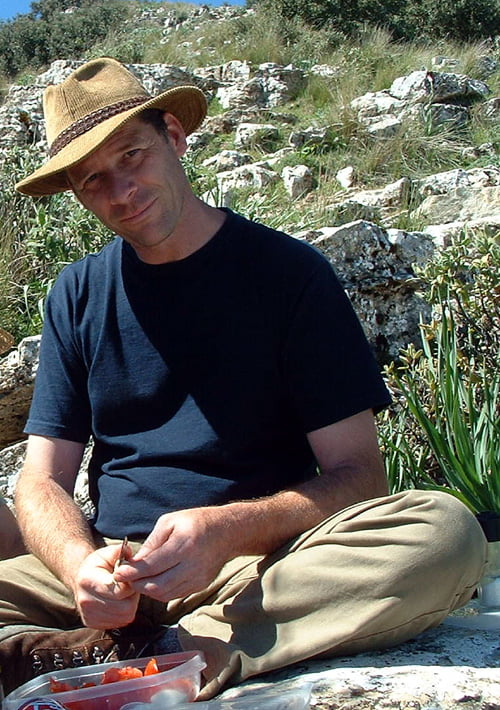
Clive Muir – Wildside Holidays – Walking, wildlife and culture holidays in Spain
I’ve been living in western Andalucía for more than 20 years and spend much of my time researching and running English-language travel websites about Spain. My work covers destinations including Cádiz, Ronda, Grazalema and the Caminito del Rey, as well as Wildside Holidays, which focuses on walking, wildlife and nature travel in Spain.
Through Wildside Holidays, I share practical information about Spain’s natural parks, mountains, wildlife and walking destinations, drawing on many years of living and travelling in the country. The aim is to help visitors discover Spain’s natural landscapes responsibly and plan rewarding walking and wildlife experiences.