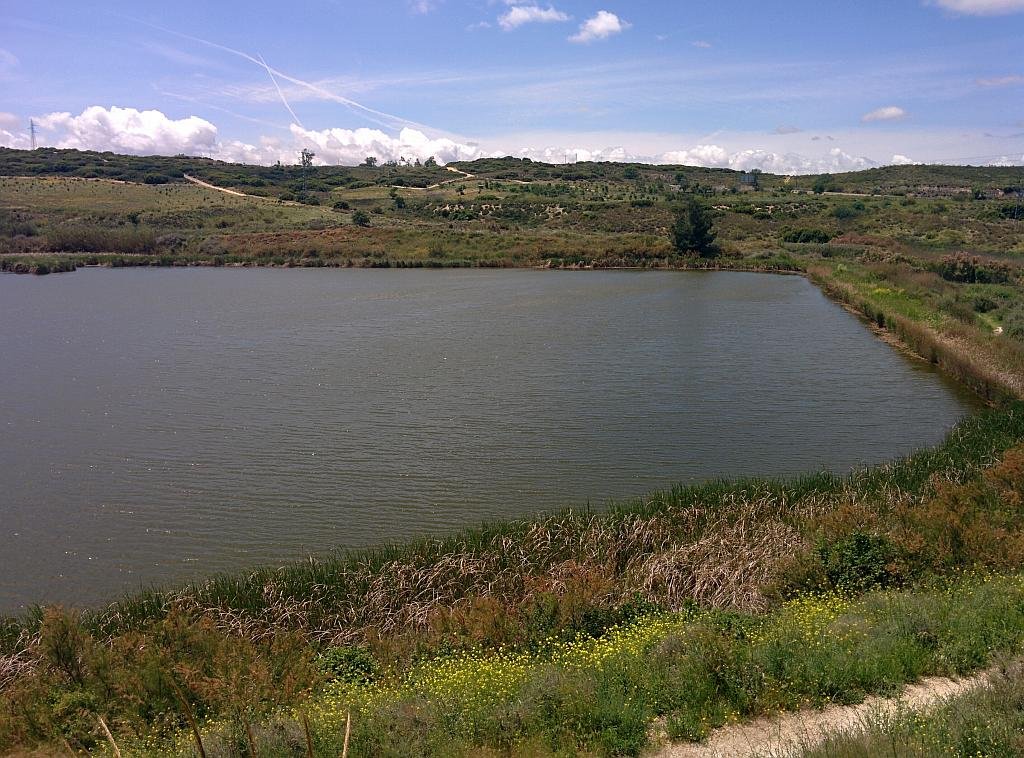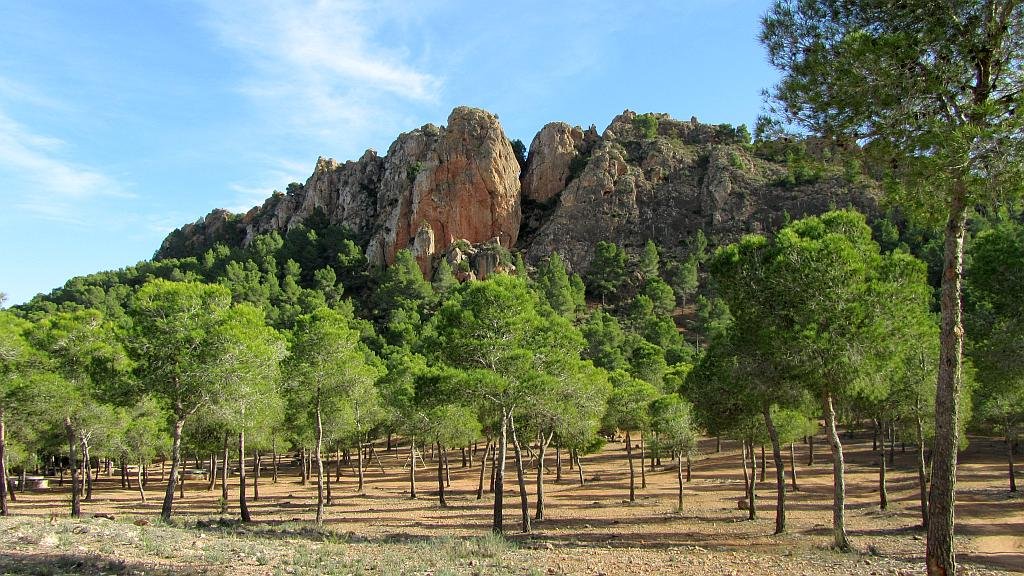
With an area of almost 630 hectares, the El Regajal-Mar de Ontígola Nature Reserve (Reserva del Regajal-Mar de Ontígola) habitat brings together a characteristic fauna of the Mediterranean-sub-desert mountains, with species such as hare, rabbit, wild boar, tawny owl, partridge and blackbird being very common. The gypsum hills with endemic flora species and unique vegetation and are populated with species such as kermes oak and rosemary are well preserved.
The Fauna Refuge of San Juan Lagoon
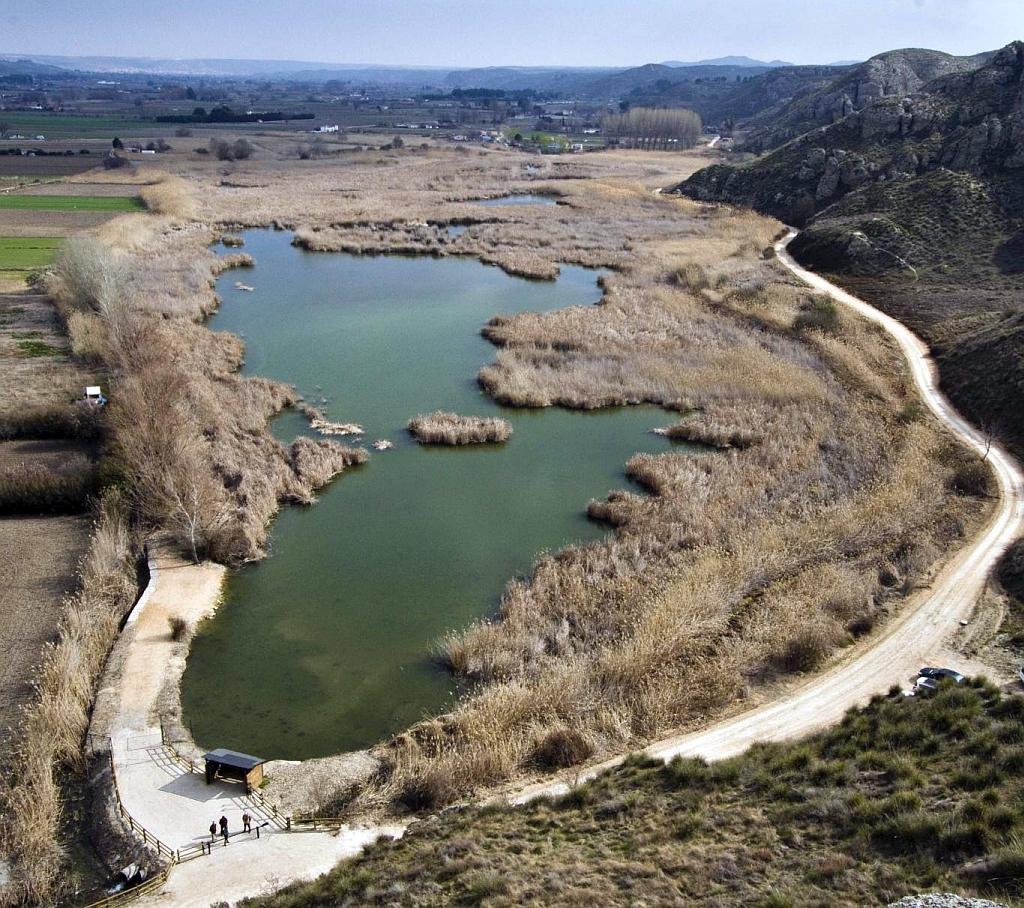
The Fauna Refuge of San Juan Lagoon (Refugio de fauna de la Laguna de San Juan) covers an area of 40 hectares and is found along the lower course of the River Tajuña. It is an important wetland area close to the town of Chinchón and one of the largest bird reserves in the Community of Madrid.
Sierra del Rincón Biosphere Reserve
- Region: Madrid
- Declared a Biosphere Reserve: 2005
- Protected area: 15,230.8 ha Includes the Hayedo de Montejo beech forest.
- Towns and villages: Horcajuelo de la Sierra, Montejo de la Sierra, Prádena del Rincón, La Hiruela, Puebla de la Sierra.
Points of interest
Located less than a hundred kilometers from Madrid, the Sierra del Rincón Biosphere Reserve is a mountainous territory between the Ayllón and Somosierra massifs. It is known as one of the most beautiful and least discovered places in the Community of Madrid.
Viperine Snake (Natrix maura) Culebra viperina
Non-Venomous and although the name suggest a viper, the viperine snake is not poisionous and like most snakes, avoids human contact when it can.
- Scientific: Natrix maura.
- Castilian: Culebra viperina.
- Catalan: Serp d’aigua.
- Portuguese: Cobra-de-água-viperina.
- Family: Colubridae.
- Distribution: Found in southwestern Europe and northwestern Africa. Portugal, Spain, France and northernwest Italy. Also found in African countries of Morocco, northern Algeria, northwestern Libya, and northern to central Tunisia.
Video of a viperine snake
Here´s a short video from Sue at Nature Plus Grazalema of a viperine snake